
 Back


About this episode
Understanding Occupational Health and Workplace Well-being
In this episode, host Debbie Brooks, HR Manager at Lanyon Bowdler, engages with Laura Hannah, an experienced occupational health nurse, to discuss the critical role of occupational health in promoting workplace well-being. They explore how health impacts employee productivity and the importance of early intervention and support in managing health conditions within the workplace.
Laura shares insights into the proactive nature of occupational health services, which not only assist when employees become unwell but also help in identifying early signs of work-related health issues. The conversation highlights the significance of creating a supportive environment where employees feel comfortable seeking help and the collaborative efforts required between HR, management, and occupational health professionals to foster a healthy workplace culture.


In this episode

Debbie Brooks
As HR Manager, Debbie leads the HR & training function within Lanyon Bowdler whilst working closely with managers to align workforce strategy to organisation goals.
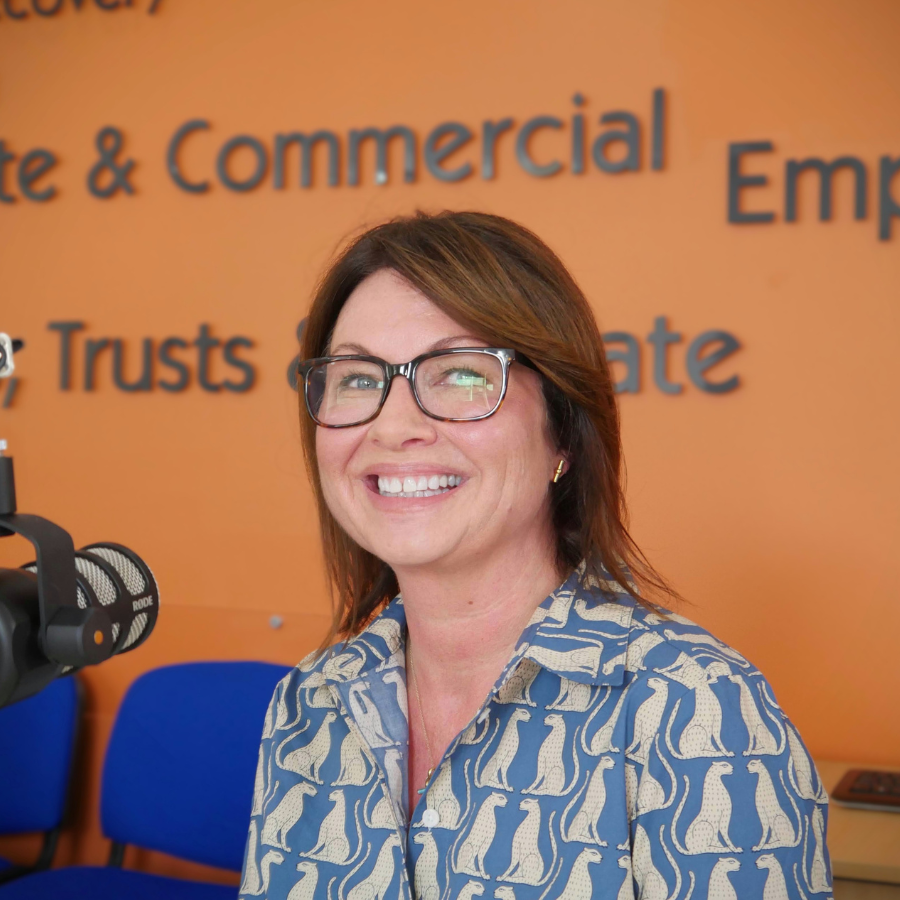
Laura Hannah
Laura Hannah is a occupational health nurse from LJ Hannah Occupational Health.
Podcast transcription
[00:00:00 – 00:00:13] Introducer: This is the Legal Lounge from Lanyon Bowdler Solicitors, where you’ll hear about many aspects of law in England and Wales with special guests, industry experts and local charities. Here’s your host, Amanda Jones.
[00:00:13 – 00:00:53] Amanda: Hello and welcome to The Legal Lounge where we now release new episodes every Monday.
[00:00:53 – 00:01:20] Debbie: Hello and welcome to the podcast. I’m Debbie Brooks, HR Manager at Lanyon Bowdler and I’ll be your host today. Today we’re going to be talking about a really important topic, occupational health, workplace well-being and the role our health plays in helping us stay well and productive at work. As a HR Manager, I see firsthand how health can sometimes affect an employee’s ability to work and equally how the right support can make a real difference. Work is such a significant part of all of our lives and when our physical health
[00:01:19 – 00:01:20] Debbie: is at its best, it’s a lot of work to do.
[00:01:18 – 00:01:47] Debbie: physical or mental health is affected it can have a real impact on our ability to work our confidence our relationships and our overall quality of life that’s why occupational health and well-being are so important to help us explore this topic today I’m delighted to be joined by Laura Hannah from LJ Hannah Occupational Health Laura welcome to the podcast it’s great to have you here Hello. for those of us who may not be familiar with occupational health could you start by telling us a little bit about yourself your role and what you More occupational health means to you.
[00:01:46 – 00:03:45] Laura: Absolutely, Debbie. Thank you for inviting me to speak to you today. So I’ve worked as an occupational health nurse for over 30 years, setting up my own occupational health company in 2012. We provide occupational health services to a variety of businesses in Shropshire and Wales, including businesses in construction, food manufacturing, education, heavy industry and of course, Lanyon Bowdler. So what is occupational health? Occupational health is a speciality which advises on how health may be affected by work and conversely how work may be affected by your health. It’s important to say that not many people are familiar with occupational health. It is a specialist branch of registered healthcare professionals and the registered bit is really important. Nurses are registered with the Nursing and Midwifery Council, the NMC, and doctors with the General Medical Council, the GMC. Occupational health personnel are bound by ethical codes of conduct and the service is completely confidential. Advice may be given to employees, human resources and managers. The advice is given in a professional manner and is confidential and impartial. Employers, as you know, are required by law to safeguard the health of their employees at work, so we assist businesses in meeting their company’s legislative requirements. which helps to reduce absence, improve wellbeing, reduce costs and increase productivity. Occupational health is often associated with responding when an employee becomes unwell. However, effective occupational health goes much further, from identifying the early signs of work-related ill health to supporting employees back into work, and it’s a proactive service. So I’m passionate about occupational health. because whatever health condition someone is facing, sometimes an early conversation, timely access to occupational health and the right adjustments can change someone’s path completely and make a huge difference to someone’s working life. So, Debbie, as an HR manager, what does workplace wellbeing mean to you?
[00:03:44 – 00:05:46] Debbie: Thanks, Laura. When I think about workplace wellbeing, I think about supporting the whole person. It’s not just their ability to do their job. about their physical health, their mental health, their emotional well-being and how they’re managing their work alongside their personal lives. It’s about creating an environment where people feel supported and where they know it’s okay to ask for help when they need it. It’s also about making sure employees are aware of the support that’s available to them. Within Lanyon Bowdler we have a number of avenues of support, for example employees can access occupational health services through self-referral. which is really valuable because it gives the individuals opportunity to seek professional advice and support around their health and how it may be affecting them at work. We also have an employee assistance programme which provides a confidential support service and is available to employees who may be experiencing difficulties professionally or personally. I think one of the most important things for HR and managers is recognising when someone might benefit from occupational health. Health, sometimes it can be quite obvious if someone has a health condition that is affecting their ability to carry out their role, they’re returning to work after a period of absence, or there are concerns about adjustments that maybe could help them at work, but it’s not always that straightforward. You might notice changes in someone’s attendance, performance, behaviour, or their general well-being, or it might be that an employee may tell you that they’re struggling to manage their health alongside their role. These can all be indicators to us that it might be helpful to involve occupational health. Importantly, I don’t think that occupational health should Only be seen as something you turn to when there’s a problem. It can be a really proactive service. Getting that support early can help us understand what someone needs, what adjustments might be appropriate and how we can support them to remain in work or to return to work successfully. Ultimately for me, workplace wellbeing is about creating a culture where people feel valued, supported and comfortable accessing help and where HR managers, employees and OC health. Health can work together to support someone’s health and ability to thrive at work.
[00:05:45 – 00:05:50] Laura: So why has wellbeing become such an important issue for employers, do you think?
[00:05:49 – 00:06:15] Debbie: We spend a significant proportion of our lives at work, so naturally the workplace can have an impact on our overall wellbeing. We know that health issues can affect attendance, performance, engagement and the individual’s ability to carry out their role. The important thing, I think, is not to see wellbeing simply as a business issue. There’s a genuine human element to this. If someone is struggling, good support can make a real difference to their experience at work.
[00:06:14 – 00:07:19] Laura: So, Laura, where do you think occupational health fits into all of this? Okay, so occupational health provides specialist advice about the relationship between an employee’s health and their ability to work. Occupational health can be particularly valuable when HR or a manager needs to understand what support might help someone remain at work. Work or return to work Occupational health professionals have completed additional training in workplace health and we are well positioned to discuss someone’s health with them in a confidential setting and then advise employers accordingly. Employers don’t necessarily need to know the full extent of someone’s health but they do need to know how to provide employees with a safe working environment and also ensure that work does not make an employee ill or exacerbate pre-existing health. health condition. For example, occupational health may provide advice around adjustments, phased return to works, workplace factors that could be contributing to difficulties, or whether an employee may benefit from further medical support. It aims to give HR managers an informed, evidence-based perspective while keeping the employee’s health at the centre of the discussion.
[00:07:18 – 00:07:24] Debbie: So when would it be that an employer would consider an occupational health referral? They’re off.
[00:07:23 – 00:08:00] Laura: So there’s not one single point at which every employee should be referred. It does really, as you know, depend on the circumstances. It can be particularly useful where there is a health condition affecting someone’s ability to work or where an absence has become prolonged, where there are repeated absences or when an employee is preparing to return to work after a period of sickness. It can also be helpful when a manager isn’t sure what workplace adjustments might reasonably support. support an employee and the key point is the earlier an employer identifies that specialist advice could help the more opportunity there may be to have a constructive conversation about support.
[00:07:59 – 00:08:06] Debbie: So once occupational health have been involved, what do they actually tell the employer?
[00:08:06 – 00:08:39] Laura: Okay so this is something that can sometimes be misunderstood so we’re not going to say it’s simply fit or unfit in our reports. A good occupational health assessment can provide practical information about how someone’s health may affect their work and what adjustments or support could potentially help. The focus is generally on functional impact and workplace support rather than giving managers unnecessary medical information. That distinction is really important because the employee’s medical information remains sensitive and needs to be handled appropriately.
[00:08:38 – 00:08:43] Debbie: And can occupational health… Help with mental health?
[00:08:42 – 00:09:11] Laura: Absolutely. Mental health is an important part of workplace well-being and occupational health can be particularly helpful when an employee’s mental health is affecting their ability to work. The assessment can help identify workplace factors that may need consideration and possible adjustments that could support the individual. But also it’s important to remember that occupational health isn’t a replacement for clinical treatment and an employee may also need support from their GP. mental health services or another appropriate healthcare professional.
[00:09:10 – 00:09:17] Debbie: Thanks, Laura. That’s really interesting. Could you give us an example of where that might come into play in the real workplace?
[00:09:16 – 00:10:42] Laura: Absolutely. It is important to add in here that businesses are legally required to manage psychological risks and stress with the same rigour applied to physical workplace hazards. Depending on the circumstances, the occupational health report may advise on workplace adjustments. and support to assist an employee returning to work if they have been off work perhaps with work-related stress or a mental health condition, we could look at shorter working hours, refraining from time-critical demanding tasks for a period of time. It’s also important to note not returning the employee back into the working environment if that has been causing them stress. So we often suggest the employee meets with management to discuss the work. the workplace stresses and this is crucial so that any workplace issues can be discussed and a solution agreed before the employee returns to work. For example, there might be concerns with excessive workload, lack of support, poor communication, role uncertainty, lack of control or a poor work-life balance. To assist with this, I often advise that management complete a stress risk assessment with the employee and review this regularly. And it’s good to remember that often employees may have a combination of work and personal stresses or a pre-existing mental health condition may have been exacerbated from these stresses. And again, therefore, a timely referral to occupational health is key in supporting an employee who is suffering with work-related stress and mental health problems.
[00:10:42 – 00:10:48] Debbie: Thanks, Laura. We’ve mentioned reasonable adjustments. What do reasonable adjustments actually mean in practice?
[00:10:47 – 00:13:26] Laura: This is a really interesting one for a… employers and managers. Adjustments are frequently granted by employers for short-term injuries, as you know, or recovery from surgery, even if they do not cross the legal threshold for disability. It’s useful here to touch on the Equality Act 2010. It’s a UK law which applies to anyone considered disabled under the Act. The Act states a reasonable adjustment as a modification to the workplace or work practices to accommodate an employee’s disability. While occupational health cannot determine definitively if someone qualifies under the Equality Act, they can assess how a condition impacts an employee’s daily activities and work performance and they can also recommend temporary or permanent adjustments to the workplace, job duties or work patterns. A proactive employer will see the benefit of work placement adjustments to support all of their employees through illness or when dealing with long-term health. health conditions, whether covered by the Equality Act or not. The final decision on whether an adjustment is reasonable, and that’s factoring in cost, practicality, effectiveness and safety, rests with the employer. But occupational health recommendations give the employer a defensible evidence-based foundation for these decisions. So to give an example, long-term sick scenario, perhaps we’re looking at an employee who’s been off long-term sick following surgery and needs temporary adjustment. readjustments to assist them in returning to the workplace. And firstly, the important thing is to have a conversation with the employee and ask them what they feel they need. We can advise on adjustments to working hours, as we said before, changes to start and finish times, timings of a break may be important, a manual handling risk assessment may be required depending on job role. If the condition affects mobility, does the employee’s workstation need to be moved? do they require assistance in the event of an emergency does consideration need to be made to attend hospital appointments if they fall within work time and also if an employee is dealing with a long-term health condition perhaps a cancer diagnosis and treatment they may have side effects to treatment and whilst dealing with the side effects may need to have adjustments to their role Other health conditions, adjustments to workstations may help, for example, a specific chair, specific desk mouse, for example, someone dealing with a condition such as rheumatoid arthritis affecting their hands, they may benefit from voice activated software. So there’s lots of lots of adjustments we can look at. And I just would like to touch on Access to Work, which is a UK government scheme supporting disabled people in work. work by meeting the additional cost of access that can be a barrier for those in employment and it would be for the employee to self-refer to that service.
[00:13:26 – 00:13:35] Debbie: Thanks, Laura. So managers are working with people that may be referred to Occ Health day to day. How does occupational health help the manager?
[00:13:34 – 00:14:17] Laura: So managers often want to do the right thing but may not know what is appropriate. They might be thinking what can I reasonably ask this employee to do? How can I support their return to work? Or could there be an adjustment that would help? Occupational health can provide professional guidance that help managers make informed decisions. HR management can then work with their employee to put the appropriate support in place. I mean, from my perspective, I aim to get to know my clients and understand their business needs, talking to managers, visiting the shop floor, or in Lanyon Bowdler’s case, visiting the different sites. it’s getting to know the staff and managers so they can ask the questions and fully understand how occupational health can support them.
[00:14:16 – 00:14:24] Debbie: It can be quite a worrying time for individuals. What would you say to an employee who is worried about being referred to occupational health?
[00:14:23 – 00:15:00] Laura: So I’d be saying to them occupational health referral shouldn’t automatically be viewed as something negative. In many cases it’s an opportunity to understand what support might help you remain at work or return successfully. I’d encourage employees to be open about the difficulties they’re experiencing and to ask questions if they don’t understand why a referral has been suggested. The objective should be to have a constructive conversation about health and work rather than making the employee feel that they’re being judged. And it’s also important to mention that the process of being referred to occupational health has to be transparent. The employee needs to have a full understanding of why they’ve been referred to occupational health.
[00:15:00 – 00:16:03] Part 2 – Speaker 0: occupational health and have access to the referral form. The employee also has a number of options of how they receive their occupational health report and for me working with a variety of different businesses the key is educating the workforce and management on the benefits of occupational health. For example introducing the service during the induction process and as you mentioned earlier offering the workforce access to books our referral appointment if they have a workplace health concern. For instance, recently I had a self-referral appointment from another client from an employee who was diagnosed, recent diagnosis with ADHD and autism. I was able to signpost the employee to a local support group and also advise their manager on adjustments such as mentorship, regular one-to-one catch-ups and written as well as verbal instructions for their work tasks. And we also looked at noise counselling headphones to help with the distraction of working in an open plan office. Yes, so there’s lots of different scenarios where it’s certainly a benefit for an employer to self-refer. So Debbie, from your perspective, how important is early intervention from employers?
[00:16:02 – 00:17:31] Part 2 – Speaker 1: I think the earlier we can understand what someone is experiencing and what support they might need, the more opportunities we have to help them stay in work. It’s not necessarily about waiting until someone reaches a point where they’re unable to work. If an employee is starting to struggle with their health, Whether that’s physically or emotionally, having the right support early on can make a real difference. It’s about having those conversations early and looking at what we can do to support the individual. That might include, as you’ve described, reasonable adjustments to their role, changes to their work patterns or simply making sure that they’ve got the right support around them. It’s also important, I think, to recognise that treatment and recovery don’t always happen quickly. Someone might be undergoing. in ongoing medical treatment, attending appointments or managing a long-term health condition, and they may still want and be able to continue working during that time. With the right support, work can provide structure, routine, social connection and a sense of purpose which can be really, really valuable. That’s where I think occupational health can play such an important role and I think the key message for me is that support doesn’t have to be a one-off. Often someone’s needs can change throughout their treatment and recovery, so maintaining communication and reviewing the support in place is really, really important. Ultimately, early intervention is about being proactive rather than reactive, helping someone remain connected and in work where appropriate, supporting them through their treatment and giving them the best opportunity to maintain their health and well-being alongside their work and life.
[00:17:31 – 00:17:35] Part 2 – Speaker 0: And how do you balance employee well-being with the needs of the business? It’s Nest Debbie.
[00:17:34 – 00:19:53] Part 2 – Speaker 1: This is one of the biggest challenges, but actually I don’t think those two things have to be in conflict. Supporting our people effectively can also have a positive impact on the firm. We’re seeing people working for longer and an increasing number of people managing long-term health conditions. That means as employers we need to think differently about how we support people throughout their working lives. It’s not simply about someone being well or unwell. Many people are managing health. health conditions while continuing to have a really valuable contribution to make at work. Long periods of absence can be difficult for the employee, but they can also have an impact on colleagues, workloads, productivity and the wider business. So our focus should always be on prevention where possible, early intervention and supporting people to remain in work when it’s appropriate and safe for them to do so. That’s where I think the combination of HR, managers and occupational health is really important. important HR can provide that framework, the policies and the support. Managers are often the people who know their teams best, they’re working with them day to day and they can identify when something has changed and occupational health can provide that specialist independent advice about an individual’s health and what might help them at work. It really needs to be a partnership. We’re not expecting managers to be health experts and HR don’t need to diagnose someone’s condition. Our health can help us understand the functional impact of a health condition and advise on appropriate workplace support, while HR and managers can then look at how that advice can work within the individual’s role and the needs of the business. I think wellbeing needs to be about more than responding when someone is struggling. As a firm, we have a regular programme of wellbeing days led by occupational health, and they give employees opportunity to step away from the day-to-day pressures of work. work, access information or activities that can help them look after themselves and have the opportunity of mini health checks either over the telephone or face to face. They also send an important message that well-being is something that the firm takes really seriously. Ultimately I think the balance comes from recognising that our people are actually our greatest asset. We can support employees to stay healthy, remain engaged and to continue working where they’re able to do that. that and this benefits the individual as well as the firm. So as the final question today, Laura, if you could give employers three pieces of advice about workplace well-being, what would they be?
[00:19:53 – 00:20:29] Part 2 – Speaker 0: Okay, so firstly, create an environment where people feel comfortable speaking up early. And secondly, don’t try to diagnose or solve complex health issues yourself. If specialist advice is needed, use the appropriate professionals. And thirdly, remember that well-being is about people. Policies and procedures are important, but how managers communicate and how employees feel they are treated can make a huge difference. Occupational health is one part of that wider support system, helping employers and employees understand how health and work interact and what practical steps might help.
[00:20:28 – 00:20:32] Part 2 – Speaker 1: Laura, thank you for coming and joining us today. That’s been really interesting.
[00:20:32 – 00:20:33] Part 2 – Speaker 0: done. Thank you.
[00:20:33 – 00:20:51] Part 2 – Speaker 2: Thank you to Debbie and our special guest Laura. If you have a legal issue you’d like me to put to our team to cover in an upcoming episode, please let me know by visiting lblaw.co.uk forward slash knowledge where you can search for all our podcasts. That’s lblaw.co.uk forward slash knowledge.
[00:20:50 – 00:20:55] Part 2 – Speaker 3: That was the Legal Lounge from Lanyon Bowdler Solicitors.