
 Back
Back


If you've been injured due to unsafe scaffolding, contact our team of Personal Injury Solicitors who are here to help.



















Miriam is also taking on the Chester Triple, which involves running a 10K, half marathon and a full marathon all wi...

Scaffolding Accidents.
If you've been injured due to unsafe scaffolding, contact our team of Personal Injury Solicitors who are here to help.

Working on scaffolding is a common part of life for those in the construction and maintenance sectors, yet when scaffolding is not erected, maintained or used safely, it can become a serious hazard.
Falls from height, structural collapses and falling objects are just some of the risks that can result in devastating injuries, both for those working at height and those on the ground below. Scaffolding accidents can lead to anything from minor cuts and bruises to life-altering injuries such as broken bones, head trauma, or spinal damage. In more severe cases, the road to recovery can be long and uncertain, physically, financially and emotionally too.
If you’ve been injured in a scaffolding accident that wasn’t your fault, we understand how difficult it can be to cope with the impact. Our experienced personal injury solicitors are here to help. Whether you’ve fallen from unsafe scaffolding, been struck by debris, or hurt due to poor site management, we’ll listen to your story and guide you through your legal options with care and confidence.
At Lanyon Bowdler, we are committed to helping you secure the compensation and support you need to move forward. You don’t have to face this alone, we’re here to help you rebuild and recover.
Scaffolding accidents are rarely the result of pure misfortune. In most cases, they occur because someone has failed to follow the rules or uphold their duty of care. Whether through poor construction, a lack of training, or the use of unsuitable materials, these failings can have serious, and sometimes life-changing, consequences for those involved.
Some of the most common causes we see in scaffolding accident claims include:
Each of these scenarios involves a preventable risk, and each can have a devastating impact on your life. If you’ve been injured due to one of these or similar failings, we’re here to help you understand what went wrong, who was responsible, and how we can help you secure compensation for your injuries and losses.
Depending on the cause of the accident, there are a number of different types of injury that could occur as a result of a scaffolding accident. Some of the most common examples include:
This list is not exhaustive, and if you have sustained any kind of injury as a result of a scaffolding accident, please get in touch with our personal injury team to find out if you have a valid claim.
In order to make a scaffolding accident compensation claim you will need to be able to prove that the negligence of another party was responsible for your injury. There are a number of legislative bodies in place to regulate the health and safety standards of scaffolding, including:
The main thing that these governing bodies and legislative guidelines have in common is that they seek to protect people from scaffolding accidents by highlighting the obligations of employers, including:
Everyone has the right to work in an environment where any risks to their health and safety are properly assessed and controlled in order to minimise the risk of harm. If you ever feel that your safety is compromised, you are entitled to stop working and evacuate the area. If an accident does occur, we are here to help you as you recover physically, mentally, and financially.
If you’ve been involved in a scaffolding accident that was not your fault, your first thought may be about claiming compensation. However, in order for a personal injury claim to be successful somebody needs to be held liable, and that can often be difficult to prove.
In the case of a scaffolding accident, it can be a bit harder to pinpoint who exactly is liable for an accident. This is because often the scaffolding is erected by a third party who is unrelated to the construction company that is actually using the scaffolding. So does the responsibility lie with those who erected the scaffolding, or those who are using it?
Some points to consider when trying to determine who is responsible for the accident include:
Could the construction company that runs the building site be held accountable? If they have failed to uphold the necessary health and safety standards under the Construction Design and Management Regulations 2015, then their actions could be considered negligent and they could be held liable.
Could an individual at the construction company be held responsible? If an individual employee acted irresponsibly or negligently, i.e. failing to follow the protocols of the construction site, it could cause a scaffolding accident.
Did the scaffolding supplier fail to supply adequate materials? If the scaffolding materials and equipment are not fit for purpose, the supplier or manufacturer can be held accountable for the ensuing accident.
Determining where the responsibility lies forms the foundation of any personal injury compensation claim. As your solicitors, we can help to uncover exactly what happened, find out who was responsible for causing the accident, and we can ensure that you receive the compensation you deserve.
All employers have a legal obligation to ensure that their employees are able to carry out their work as safely as possible under the Health and Safety at Work Act 1974. In terms of scaffolding, this involves ensuring the structure is properly constructed, regularly inspected, and has not been compromised by bad weather conditions such as high winds or heavy rain.
Whether you are employed full or part time, on a temporary or permanent contract, or as an independent contractor, your employer owes you a duty of care and assumes the responsibility of your safety in the workplace. This can be done in a number of ways:
Any breach in your employer’s duty of care could potentially lead to a scaffolding accident, and would provide you with a strong basis on which to claim compensation. For further information on your eligibility to make a claim, please contact our specialist personal injury team today and we’ll be happy to help.


Phillip Roberts handled my claim in a professional and knowledgable way and I would like to thank him very much for all the work he has done for me.
After my experience using LB 15 years ago and being very impressed I had no hesitation in using them again on a totally different matter and I was not disappointed. Excellent service once again with a successful secondary victim claim.
First Class experience from start to finish with this company.
One hundred percent happy with my claim and the outcome my solicitor was brilliant all through my case.
First Class Service
I was injured in a terrible accident whilst working on a farm, I was left with extensive injuries to my arm which impacted all aspects of my life including my ability to go back to work. Once I had instructed Lanyon Bowdler they instructed medical experts who were able to recommend rehabilitation for me which was arranged, and this meant that I could go back to work and start living independently again. They secured compensation of £45,000 and gave me all the advice and support I needed to accept the offer made.
After a horrible road traffic accident I was left with minimal physical injuries but a significant psychological injury which affected all aspects of my life including my ability to go back to work. Lanyon Bowdler handled my claim whilst also securing crucial rehabilitation for me. They secured £85,000 in compensation for me just after a year after my accident.
After a serious motorbike accident in which my Dad sustained significant head and life changing injuries I instructed Lanyon Bowdler to assist me with making a claim on his behalf. As part of his claim they ensured that he received an appropriate care package to support him in living independently and access to appropriate rehabilitation. They secured for him a settlement of £3.1m together with PPOs for his care and case management for the rest of his life which means that all of his needs can be met.
Dependable, thoughtful and sound advice. Professional, personable and accessible. A stalwart presence with good advice throughout – thank you.
I am very happy with the services. Excellent communication and knowledge. Very professional. Everything was well explained and there was nothing hidden. Highly recommended.
Used Lanyon Bowdler for a personal injury claim regarding a trip in a supermarket. I found the service very helpful and would use again.
From the first contact, the team at Lanyon Bowdler gave a fast & efficient service. They were very friendly & gave me the confidence that I had found the right solicitors. The advice given & the fast responses were beyond my expectations. The matter was resolved in no time at all.
It is a pleasure to act as a case manager for clients represented by the personal injury team at Lanyon Bowdler Solicitors. Lanyon Bowdler PI team are proactive and truly client centred. They understand the clients they represent and work tirelessly to achieve the best they can for them. Through collaborative working we have been able to achieve the best outcomes possible for our clients.
As a case manager I work closely with litigation teams to ensure our clients get the expertise, support and care they need to bring them back to as close to their life pre-injury as possible. This is very often not an easy journey, and balancing the desires of the client to live their best life with collating and presenting the facts of how that life is altered, can be very challenging. Having worked alongside Lanyon Bowdler’s team for many years, I have noted it is always easier to strike this balance, when they are involved.
Having worked with a succession of personal injury specialists at Lanyon Bowdler over the years, I have seen at first hand the top-flight legal expertise that they bring to every case and the commitment to obtaining the absolutely best result for every client. Equally importantly, I am struck by the compassion, empathy and humanity with which every client is treated. They go above and beyond to ensure their clients receive the very best representation.
The team at Lanyon Bowdler show an exceptional knowledge and understanding of their client’s needs, not just in terms of the claim that they lead, but also the emotional and personal experiences that they will have on that journey.
Lanyon Bowdler provide seamless ongoing emotional support, information and guidance to their clients over what may be many years of a PI claim. This significantly helps mitigate the “stress” of a claim for their clients, and in my medicolegal experience puts them way ahead of other legal firms.
Contacted Lanyon Bowdler six months after an injury at work. They offered me several of their services, including no win no fee which I ended up choosing. The solicitor was extremely helpful, was always keeping me updated when there was news and answered promptly when asked for any updates or when I asked any questions. I was very happy with the final settlement and the advice I received proved to be the best for my case. I felt like the extra bit of care was extended to give me a good idea of the options I had to choose from which really helped to inform any decision.
From my initial approach to the final positive outcome I felt my solicitor was expending all his energy to win the case. I was kept informed throughout and was given straightforward advice on how to proceed. The end result was an acceptable outcome and the pay-out was prompt.
Very friendly and quick to respond, highly recommend for anyone looking for legal advice.
I couldn’t be happier with the service I have received over the past six years. I would highly recommend Lanyon Bowdler for legal requirements.
Since dealing with Lanyon Bowdler they have been diligent, efficient and at all times very helpful along with being structured in dealing with matters, fees and clarity on all levels. Thank you.
I was clearly informed of progress step by step. The service you provided was very good.
All work carried out effectively and efficiently.
An excellent service with solicitors that you can talk to and who give you a clear understanding of all necessary legal implications and interpretations.
From start to finish we had excellent service. Friendly, approachable and professional.
Very clear, concise advice and guidance, easy to understand.
Good service provided throughout with clear communication throughout with all options explored.
I can thoroughly recommend the highly professional and supportive service received over the last few months.
Responsive, supportive, approachable, clear and empathetic.
Professional and prompt communication. Supportive and client focused.
Whenever I have had need to contact Lanyon Bowdler I have always received a fast, concise and friendly response.
Definitely would use Lanyon Bowdler again if I need the use of a solicitor.
Smooth and efficient service from very professional firm.
We were particularly impressed with the quality of work, the speed and excellent communication.
Very friendly and approachable. Very good advice
Great Service; Lanyon Bowdler were excellent from the outset. Straightforward and easy process. I just sat back and waited.
Everything has been professional, efficient and courteous throughout and we are very pleased, both with the service and with the eventual outcome of our case. Everything was first class and exceeded our expectations. Thank you again for providing such splendid service. It is really appreciated.
Please give our Personal Injury Lawyers a call for a friendly, confidential, conversation about how we can help support you with a Scaffolding Injury Claim. There is no commitment or charge for our initial assessment. Please contact a member of the team or complete our online inquiry form toward the top of this page on the right-hand side.
We have some of the leading Scaffolding Injury Solicitors waiting to act on your behalf. You can visit us at one of the Lanyon Bowdler offices in Shrewsbury, Hereford, Ludlow, Oswestry, Telford, and Conwy in North Wales. We can also arrange a home or hospital visit when more convenient.
We are one of the most recognised firms of solicitors in Herefordshire, Shropshire, Mid and North Wales, synonymous with excellence. As a leading law firm, we regularly act for clients on Scaffolding Injury Claims in Birmingham, Wolverhampton, Worcester and all across the midlands. We can represent you wherever you live in England or Wales.
We are able to offer a wide range of pricing options including fixed fees and service level guarantees.
 Blog
Blog
 Blog
Blog
 Blog
Blog
 Blog
Blog
 Podcast
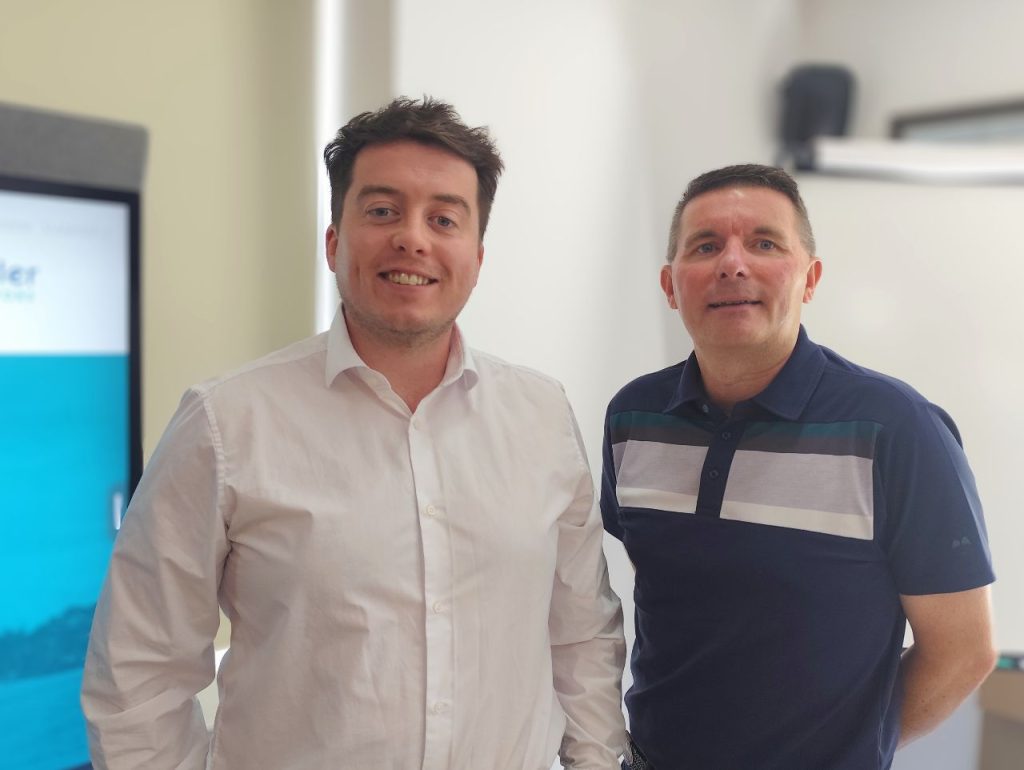
Armed Forces Week : Alexander Spanner and Sean McCarthy
Blog
Blog
 Case Study
 Podcast
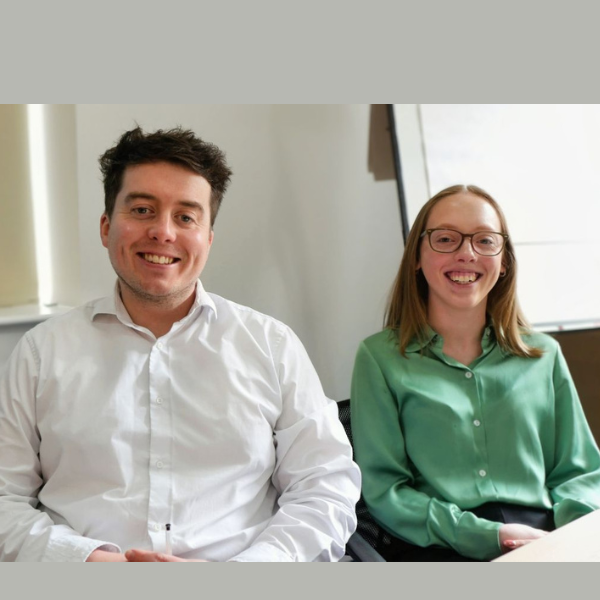
The Armed Forces Compensation Scheme: Alexander Spanner and Amy Burgoyne
Podcast
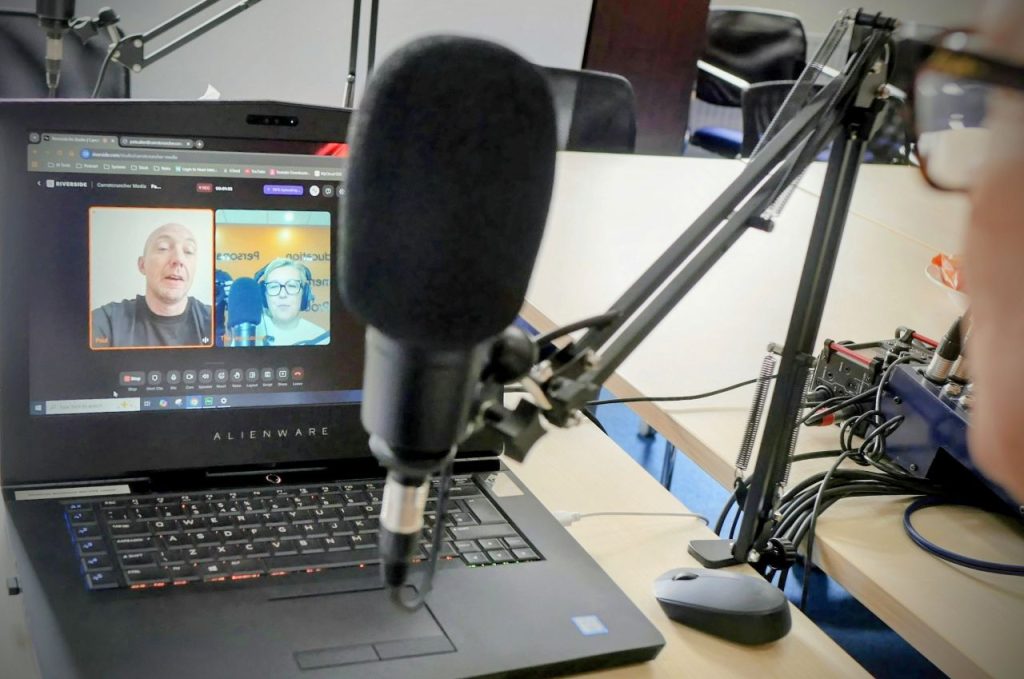
Young Drivers & Road Safety Debbie Humphries speaks with guest Crew Commander Paul Harper
Blog
 Blog
Blog







"*" indicates required fields