
 Back
Back


About this episode
Insights from Angharad Hird: A Private Client Solicitor at Lanyon Bowdler
In this episode, Edward Rees engages in a candid conversation with Angharad Hird, an associate solicitor based in the Oswestry office of Lanyon Bowdler. Angharad shares her journey to becoming a solicitor, her experiences in private client law, and the unique aspects of working at Lanyon Bowdler. She discusses the challenges faced by clients during difficult times, such as bereavement and estate planning, and highlights the collaborative environment within the firm that enhances client service.
Angharad also reflects on her professional development, including her pursuit of the STEP qualification, and the supportive culture at Lanyon Bowdler that allows for a healthy work-life balance. This episode provides valuable insights into the personal and professional experiences that shape the work of a private client solicitor and the importance of a collegial atmosphere in delivering exceptional legal services.


In this episode
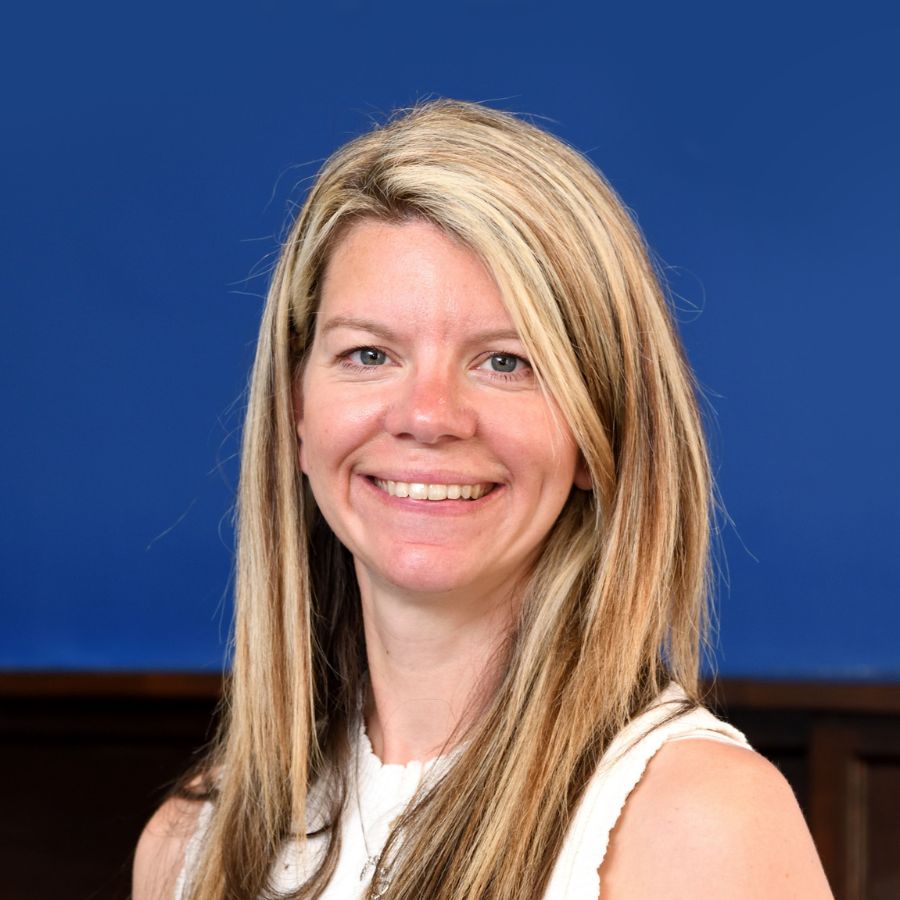
Angharad Hird
Angharad’s work includes the preparation of wills, from straightforward wills to dealing with more complex issues, such as the inclusion of trusts for asset protection or to protect children, as well as advising on inheritance tax planning. She also prepares and registers of lasting powers of attorney, and carries out the administration of all estates including complex estates involving trusts and/or inheritance tax issues.
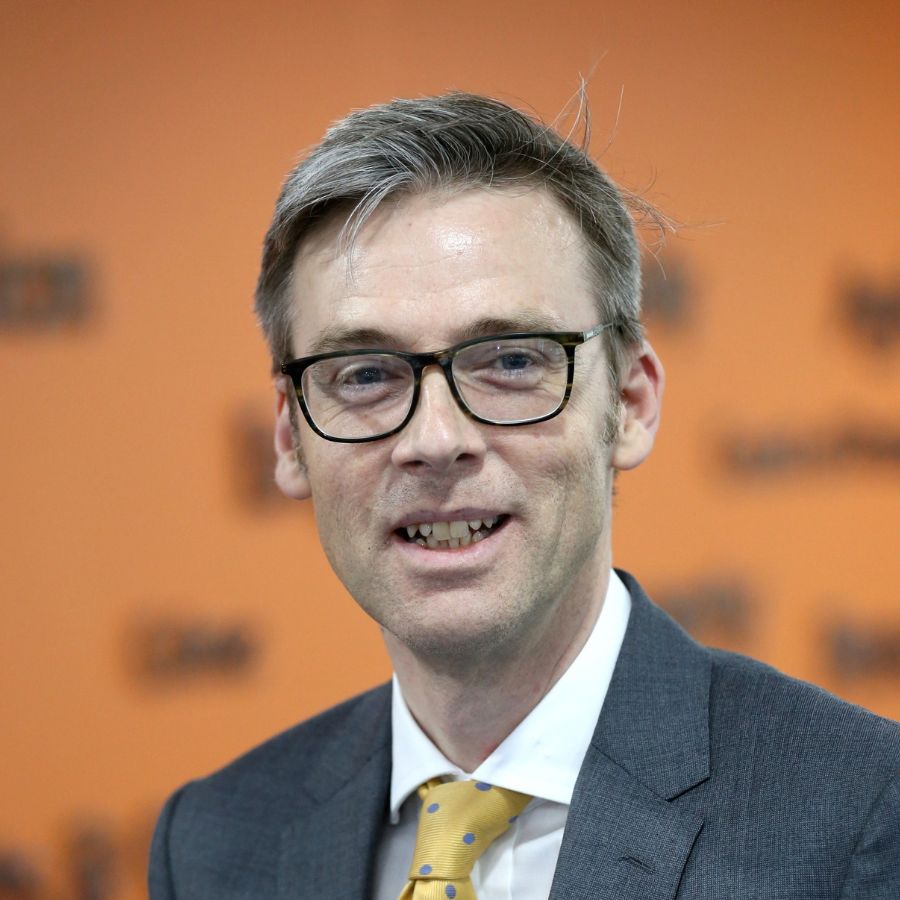
Edward Rees
Edward is a partner and heads the Private Client Team, he comments “I enjoy what I do, I really like meeting different people and helping them understand what they need to do to secure their futures and those of their loved ones. Our whole team are a friendly and approachable bunch, so give us a call.”
Podcast transcription
[00:00:00 – 00:00:13] Introducer: This is the legal lounge from Lanyon Bowdler Solicitors, where you’ll hear about many aspects of law in England and Wales with special guests, industry experts and local charities. Here’s your host, Amanda Jones.
[00:00:13 – 00:00:53] Amanda: Hello and welcome to the Legal Lounge where we now release new episodes every Monday.
[00:00:53 – 00:01:05] Edward: Hello, I’m Edward and I’m joined today by my solicitor colleague Angharad. And Angharad is based in our Oswestry office. So hello, Angharad.
[00:01:04 – 00:01:06] Angharad: Hello, Edward.
[00:01:05 – 00:01:55] Edward: Well, thank you for agreeing to come and face this grilling. Now, to have this conversation today, what we’re doing at the moment is having a few conversations with some of our private client solicitors. and colleagues just to get an idea of what we do as a department and also what they themselves specialise in and also their well the way they came to the firm what they like about the firm things that they might if they really want to talk about it while they might find it more challenging about the firm but you know what it is about Lanyard and Bowdler that attracts them so as part of that general conversation Angharad, that’s why you’re here today to have a discussion about your role and what you do and what it is about Lanyon Bowdler that you find, shall we say, unique? Is that a neutral
[00:01:54 – 00:01:56] Angharad: That’s
[00:01:55 – 00:01:56] Edward: term?
[00:01:55 – 00:01:56] Angharad: a good way
[00:01:55 – 00:01:57] Edward: That’s
[00:01:56 – 00:01:57] Angharad: to, yep.
[00:01:56 – 00:02:06] Edward: a good way of describing it. So again, welcome. Just to start off, could you just tell us a bit about your role at Lanyon Bowdler and what you do day to day?
[00:02:05 – 00:02:26] Angharad: Okay, so I’m an associate solicitor in the Oswestry office and I I help clients through the difficult times that they might be going through, whether that be that they’ve lost a family member and they’re dealing with their probate or that they’re trying to put something in place in terms of wills or lasting powers of attorney and how to guide them through that process.
[00:02:26 – 00:02:43] Edward: Okay. So you’re right. It can be difficult, that stuff, can’t it? Either because you’re dealing with or trying to assist people, I should say, with bereavement. It can be as challenging, can’t it, to try and bring people to the trough, if you like, of trying to plan for those difficult subjects.
[00:02:42 – 00:02:44] Angharad: It is.
[00:02:43 – 00:03:05] Edward: Yeah, so I’m glad that you taught about that being a challenging process. When you came to Lanyon Bowdler, you didn’t come as a trainee, you came as a qualified solicitor. So tell us a bit about that journey, you know, firstly, your journey to qualifying as a solicitor and then… What it is that made you make the move to Lanyon Bowdler?
[00:03:04 – 00:03:31] Angharad: Okay, so I did a traditional law degree and that was for the three years. Then I decided to specialise and do a master’s at UCL in London and I specialised in human rights law and children’s rights and I thought I was perhaps going to change the world. Unfortunately, that didn’t quite happen, but it did enable me to. that gain a lot of skills in dealing with difficult situations.
[00:03:31 – 00:03:32] Edward: Okay.
[00:03:31 – 00:04:03] Angharad: I think that they have been transferred into what I do now. And then I got a training contract in a firm in Cambridgeshire and I stayed there for about three or four years. And I was going to qualify into family law, hence the background with the masters, but I had to do a non-contentious seat and I was very reluctant that I was going to do three months. three months in private client and then qualifying to family and after the first week in private client I was hooked I knew exactly that that’s what I wanted to do Wow. yeah
[00:04:02 – 00:04:03] Edward: Okay.
[00:04:02 – 00:04:07] Angharad: so it was complete change but I’m so glad that that happened
[00:04:06 – 00:04:21] Edward: There are very few people that start out on the road of their law career. Let’s say they’re either converting from another degree they’ve done or they’re doing a law degree. There must be very few people who say at the start of that process, I’ve heard of this private client where I read that. was my
[00:04:20 – 00:04:21] Angharad: Yeah,
[00:04:20 – 00:04:22] Edward: heart is set upon that okay
[00:04:21 – 00:04:34] Angharad: because I was completely honest about it. I thought I was going to be really boring. You’re just going to be sat in the office just drafting all day on wills and things. And that first week, it just completely changed my opinion.
[00:04:33 – 00:04:35] Edward: so literally with what within one
[00:04:34 – 00:04:35] Angharad: Within
[00:04:34 – 00:04:36] Edward: week the
[00:04:35 – 00:04:36] Angharad: one week.
[00:04:35 – 00:04:38] Edward: scales fell from your eyes wow
[00:04:37 – 00:04:38] Angharad: Yeah,
[00:04:37 – 00:04:55] Edward: okay that’s amazing going back a bit the human rights law angle so that’s really interesting but what so did you Do you just, did you kind of early on catch that whilst that might be a really, really interesting subject and you might, like you say, set the world to rights in practical terms to
[00:04:54 – 00:04:55] Angharad: It
[00:04:54 – 00:04:55] Edward: have the
[00:04:54 – 00:04:55] Angharad: was
[00:04:54 – 00:04:55] Edward: opportunity
[00:04:54 – 00:04:56] Angharad: really
[00:04:55 – 00:04:56] Edward: to do that.
[00:04:55 – 00:05:20] Angharad: difficult, exactly. And I did a law module at undergrad level, which was human rights, and that really fascinated me. And then I thought, well, I’ll learn more about it and study at UCL and do that as a specific module. And it was. extremely invaluable to learn about it all but putting it in practice there’s so many barriers and I think I would have become more frustrated with it
[00:05:19 – 00:05:25] Edward: And I suppose the other thing from being a lawyer, private client law, there’s a commercial aspect
[00:05:24 – 00:05:25] Angharad: definitely
[00:05:24 – 00:05:38] Edward: to it. Obviously there is, but it must be really challenging if you’re… in a commercial environment in a business that’s trying to do human rights stuff i would imagine i don’t know maybe i’m wrong maybe
[00:05:37 – 00:05:38] Angharad: No, you no,
[00:05:37 – 00:05:38] Edward: know i
[00:05:37 – 00:05:39] Angharad: no, I’m wrong.
[00:05:38 – 00:05:45] Edward: misunderstood that so how long have you because you’re based in our office office yes so how long have you been with in this in office
[00:05:44 – 00:05:45] Angharad: moved
[00:05:44 – 00:05:45] Edward: now that’s
[00:05:44 – 00:05:52] Angharad: about three and a half years ago to Wandsworth Street and I’m not a resident I love the love the
[00:05:51 – 00:05:53] Edward: good that’s
[00:05:52 – 00:06:16] Angharad: office yeah so I was attracted to it because Lanyon Because Lanyon Bowdler has a great reputation and I like the feel of the Oswestry sort of town that it is and like lots of independent shops and little cafes. So visiting Oswestry, it made me really want to work in that office. And then, you know, Lanyon Bowdler has a brilliant reputation.
[00:06:17 – 00:06:32] Edward: focusing on because there are you’re right there it’s a lovely place and there’s there’s lots of lovely really bijou things uh there’s a lovely baker’s where you can get a lovely sausage roll we had a big discussion about sausage rolls before we started there’s a very nice coffee shop isn’t it on the on the on square the
[00:06:31 – 00:06:35] Angharad: the square so it’s very nice in the sun and the park opposite as well they have
[00:06:35 – 00:07:05] Edward: yes lovely gorgeous um but this reputation point so because i’ve been with lanyard for so long i forget anything else that might have existed beforehand or how things might have been before then But fortunately, we’re very, very lucky, aren’t we, that people do say, ah, the firm, whether it’s clients or people who come to us who are interested in careers here, they talk about the reputation. So when you say you’d heard about Lally Banner, it had this reputation. How do you, what do you hear? How does that communicate itself?
[00:07:04 – 00:07:05] Angharad: Yeah.
[00:07:04 – 00:07:44] Edward: Because just before you answer that, because I remember having a conversation with somebody who we absolutely loved who used to work with us and then went off to have a. have a career in legal education, she lectures at the College of Law. Her take on the reputation was that, yes, Slaggy Butler has its reputation, but her take was, at the firm she was, we had a reputation for being good at our law, but also we were quite, it was the word snobbish that we were, yeah, that we were to other lawyers in other firms in the locality, some of them thought that we were a bit up ourselves. or that we’ve looked down upon lawyers in some of the other firms. So I don’t know, is that what you mean by
[00:07:43 – 00:07:44] Angharad: I
[00:07:43 – 00:07:45] Edward: reputation?
[00:07:44 – 00:07:46] Angharad: mean, that’s not what I’d heard, but yeah.
[00:07:46 – 00:07:50] Edward: This is a while ago. But yeah, it was just
[00:07:49 – 00:07:50] Angharad: an That
[00:07:49 – 00:07:50] Edward: interesting
[00:07:49 – 00:08:04] Angharad: is an interesting sort of take on it. I had heard that the Lanyon Bowless reputation is that you offer a service across all areas and you work well together as different teams, whether that be private client. linking up with corporates
[00:08:03 – 00:08:04] Edward: Okay.
[00:08:03 – 00:08:13] Angharad: and things like that, whereas other firms, I don’t think they have that sort of breadth of knowledge versus the clients as much.
[00:08:12 – 00:08:25] Edward: Okay. And that comes from your experience in other firms or another firm where, I guess, they don’t have as many departments, let’s say. But even if they do have departments, was your experience they may not talk to one another?
[00:08:24 – 00:08:26] Angharad: Yes,
[00:08:25 – 00:08:26] Edward: Okay.
[00:08:25 – 00:08:28] Angharad: and some people may not be as approachable.
[00:08:27 – 00:08:28] Edward: right
[00:08:27 – 00:08:38] Angharad: Whereas at Lanyon Bowdler, I have found that everyone is approachable. So if I have a query, I can pick up the phone to anyone in the Conway office or Telford, Shrewsbury. They will help me.
[00:08:37 – 00:08:58] Edward: wow okay that’s that’s really that’s really nice to hear I have to say I’ve always I’ve always found that that there’s a very collegiate atmosphere because I always have lots of queries or if you need help with with a client or with a client matter that people are always very willing to try and help they’re learning not help if they can’t help because there’s a good reason
[00:08:57 – 00:08:58] Angharad: Yeah,
[00:08:57 – 00:09:01] Edward: why exactly. they can’t do it so that that is nice to hear okay
[00:09:00 – 00:09:19] Angharad: Also heard as well through a financial advisor that I used to work with and he was recommending Lanyon Bowdler as well, saying that he works alongside clients or that they’d use Lanyon Bowdler and he’d been impressed. So just having that as a third party sort of recommendation is good.
[00:09:18 – 00:09:33] Edward: affirmation that’s all that’s all very Very nice to hear. So then you came three years ago and from what you’re saying, it sounds like those things that you’d heard, the aspiration that you had, if aspiration is the right word, so far they’ve been made out.
[00:09:32 – 00:09:34] Angharad: Yeah, definitely.
[00:09:33 – 00:10:02] Edward: Okay, well, that’s really, really good. So one of the things you touched on there was about working with or liaising with other team members. Well, not just team members within your department, but I say team members, I mean. I mean outside of your department, specialists in other areas, and that can be a challenge at some firms. Lanyon Bowdler, you’ve been able to experience that, have you, in a positive way that you’ve been able to refer your clients on to other experts in other areas with confidence.
[00:10:01 – 00:10:40] Angharad: Yes, with where Oswestry is situated, it’s surrounded by a lot of agricultural families and they might come to me, the clients, to do wills or tax. or tax planning and as part of that we look at this sort of holistic approach of what else they might need to support them whether that be partnership agreements in place or anything else that might assist you know is it their transfer of land to different generations to enable the inheritance tax reliefs to be maximized and I can easily refer those matters to my colleagues in the corporate. property department and commercial property.
[00:10:39 – 00:11:10] Edward: Well, that’s really important, isn’t it, actually, when you feel that you don’t have the confidence to be able to do that. I mean, sometimes people are utter control freaks and they never want to let go of anything. And that includes letting go of this client that they’ve had forever, as is less of that around these days. But sometimes you feel less confident about letting your client to go to somebody else because. you’re concerned about are they going to get the expertise that they need and or are they going to get the level of service that
[00:11:09 – 00:11:10] Angharad: Yeah.
[00:11:09 – 00:11:47] Edward: they you know that they expect and they deserve but from what you’re saying that’s that’s not a concern you have because i know it can be a real issue that in in many firms that’s uh that’s also good to hear so thinking about this idea of you know with lanyard and its reputation that you’d heard of uh but also this kind of there’s a collegiate atmosphere have you got an example of a time where you know you needed assistance from your colleagues either within the private client team or maybe it was outside the private client team and there there it was you know somebody was helping you either within minutes or you know a white they came on their white charger
[00:11:46 – 00:11:47] Angharad: Yeah.
[00:11:46 – 00:11:54] Edward: it’s not quite like that is it but this idea of everybody trying to support people because we’re all trying to go in the same direction action
[00:11:53 – 00:12:33] Angharad: Yeah, absolutely. So one recent example is that a pharma client had sadly passed away and hadn’t got a formal partnership agreement in place and it caused huge problems with the bank where the pharma account was obviously at a certain high street bank. And because this pharma had died, it caused huge problems. I immediately rang up my colleague Jenny Edwards in the Conray office who also works in Oswestry as well. She was able. able to assist and phone the clients and explained what needed to happen and within you know a day or two it had been resolved and been able to assist in that sort of way and the efficiency of it you
[00:12:32 – 00:12:33] Edward: And
[00:12:32 – 00:12:40] Angharad: know it reflected well and it helped my clients and it also helped me to build that relationship with the clients as well.
[00:12:39 – 00:12:51] Edward: a couple of strands just to pull on there and from the discussion that we were having just before. I asked you that question, which is this picture you were painting of we have a lot of agricultural clients.
[00:12:50 – 00:12:51] Amanda: Hmm.
[00:12:51 – 00:13:50] Edward: On our website, I’m sure it talks quite a bit about agricultural law. And we, of course, are a panel firm for the NFU. And it may be there’s a perception that agricultural law is itself a distinct branch of law, but it’s not really, is it? That’s why you need to have this team-based approach where you can be confident that you know your colleagues will assist. assist when they need to assist the agricultural client who we see will probably need lots of other things that they need advising on outside if you’re talking tax planning you’re talking wills but you’re probably talking about moving property around gifting invariably involves the commercial agricultural property teams doesn’t it the corporate commercial teams so and this issue of partnership agreements and banks and all that that’s You never used to see that, say, 20 years ago. But if you don’t have a partnership agreement in place, a written partnership agreement, or even if you do, there can be some issues when people die. But if there’s no written partnership agreement in place, was that the case?
[00:13:49 – 00:13:50] Angharad: That
[00:13:49 – 00:13:50] Edward: Yeah,
[00:13:49 – 00:13:51] Angharad: was, yeah.
[00:13:50 – 00:14:20] Edward: the banks these days can be very tricky about that when someone dies. So it’s a real warning for people if they are farming or their business is a partnership and they don’t have a written agreement in place. place yet even though that’s perfectly legal i’m talking completely outside my area of expertise but but even though that’s illegal you can be legal as a partnership without a written agreement the practicalities with these days are if you don’t have a written agreement it could be it could spell trouble for
[00:14:19 – 00:14:20] Angharad: And
[00:14:19 – 00:14:20] Edward: you yeah
[00:14:19 – 00:14:30] Angharad: that’s it. The bank was actually trying to close the account down and obviously all the farm payments went into it and it was just a very stressful period of time. I’m already on top of them losing their relative.
[00:14:30 – 00:14:54] Edward: Absolutely. So let’s think a bit about the artistry office, as we have lots of offices in our private client department, we are stretched across all offices. So as far as Osage is concerned, you’ve talked a bit about the town itself, because it’s a lovely place. What’s distinctive about the artistry office itself, do you think, and about the team there?
[00:14:53 – 00:14:56] Angharad: We’re a very close. The close-knit team, I would say,
[00:14:55 – 00:14:56] Edward: Yeah.
[00:14:55 – 00:15:00] Angharad: in Oswestry, where we’re perhaps a smaller team in the Oswestry office compared.
[00:15:00 – 00:15:01] Angharad: to Telford and Shrewsbury.
[00:15:01 – 00:15:02] Edward: Hmm.
[00:15:01 – 00:15:16] Angharad: And I think as a result of that, we work. very closely together and we’re able to pick up files and support each other in a way that enhances sort of the service that we offer to the clients.
[00:15:15 – 00:16:03] Part 2 – Speaker 2: And of course, the audit office itself, if we’re thinking about the firm, firms don’t just suddenly appear, do they? They’re not, they don’t exist one day and then suddenly you’ve got seven offices. There’s a whole history and a development and either acquisitions. or opening of new offices in locations but the Oswestry office the reason why we’re all Annie Bowdler in Shrewsbury or the Shrewsbury etc etc the Osage office goes back beyond a merger in 2010 it was Longville Gittins so it’s got a really long history hasn’t it tell us a bit about that and your experience with with with the clients and maybe clients who were clients of the firm before we merged and and also maybe some I don’t know we still got colleagues who
[00:16:02 – 00:16:03] Angharad: We
[00:16:02 – 00:16:03] Part 2 – Speaker 2: were pre
[00:16:02 – 00:16:04] Angharad: have, they’re still working.
[00:16:03 – 00:16:06] Part 2 – Speaker 2: merger True facts like that.
[00:16:05 – 00:16:38] Angharad: Brilliant. and the knowledge that they have they can remember their clients from you know 20 30 years ago and that knowledge is really useful for when those clients come back and we’re updating their wills and looking at the ownership of say agricultural land so having that knowledge that they have is really good as a background information for us to you know start with but it’s also really good that the clients are still with us as a firm now that you know they merged in was it 2010 I
[00:16:37 – 00:16:38] Part 2 – Speaker 2: It
[00:16:37 – 00:16:38] Angharad: think yeah
[00:16:37 – 00:16:44] Part 2 – Speaker 2: was, yeah, 2010, so it’s 16 years ago, so I don’t even know what year we’re in. Yeah, okay.
[00:16:45 – 00:17:14] Angharad: um what I think is um really good to to see is that the Longville Gittins was an office on its own in Oswestry and clients might have enjoyed that sort of interaction with a closer team and have not been put off by Lanyon Bowdler being a larger firm and I think that shows that they’re happy with the service that we are providing and that you know again it’s in a holistic approach to what they need for their day-to-day business.
[00:17:13 – 00:17:22] Part 2 – Speaker 2: Yeah, I suppose that’s it. And as law becomes ever more specialised. and you want to have that specialised expertise not to do down smaller firms
[00:17:21 – 00:17:22] Angharad: Hmm.
[00:17:21 – 00:17:33] Part 2 – Speaker 2: but it becomes increasingly difficult for a smaller firm to be able to offer all the kind of services that you might need in those specialist areas
[00:17:32 – 00:17:33] Angharad: Mm
[00:17:32 – 00:17:33] Part 2 – Speaker 2: so
[00:17:32 – 00:17:33] Angharad: -hmm.
[00:17:32 – 00:17:40] Part 2 – Speaker 2: a bigger firm usually is more able to provide the people even if they’re not based in that office they travel and
[00:17:39 – 00:17:41] Angharad: That’s
[00:17:40 – 00:17:41] Part 2 – Speaker 2: if people
[00:17:40 – 00:17:41] Angharad: it.
[00:17:40 – 00:17:50] Part 2 – Speaker 2: come in their car or they come on the train or there’s there I say it there’s there’s video links and there’s all kinds of magical gizmos and the on the phone as
[00:17:49 – 00:17:50] Angharad: Yeah.
[00:17:49 – 00:17:55] Part 2 – Speaker 2: well that allow people to but the point is you can do it without going to another firm can’t
[00:17:54 – 00:17:56] Angharad: That’s
[00:17:55 – 00:17:56] Part 2 – Speaker 2: you yeah
[00:17:55 – 00:18:17] Angharad: it. And, you know, the clients especially like the fact that we do have this office in Oswestry on the high street. We’re hearing a lot about banks that are closing on the high street and that’s impacting clients. So the fact that they can attend our office, which is local to them, is really beneficial and it’s something that they value. and have done for a number of years.
[00:18:16 – 00:18:25] Part 2 – Speaker 2: With Otter Street and with our client base in Otter Street, there are quite a few Welsh speakers in that area. Are you yourself a Welsh speaker, Angharad?
[00:18:24 – 00:18:44] Angharad: I’m not a fluent Welsh speaker to an extent I can, but with client meetings I wouldn’t be confident enough to be fluent in Welsh and take client instructions, but we do have team members that can do that. So if any clients… Is would prefer a Welsh-speaking solicitor, then absolutely we can arrange that.
[00:18:43 – 00:18:48] Part 2 – Speaker 2: we’ve got Welsh speakers quite a few Welsh speakers in the Conway office haven’t
[00:18:47 – 00:18:48] Angharad: We
[00:18:47 – 00:18:48] Part 2 – Speaker 2: we yeah
[00:18:47 – 00:18:48] Angharad: have.
[00:18:47 – 00:19:05] Part 2 – Speaker 2: so just think about Alder Street in our team Kevin he’s a Welsh speaker isn’t he and then Anna who’s away on maternity leave at the moment but nonetheless she’s a she’s a Welsh speaker as well isn’t she so yeah brilliant and Sioned in Conway in our department but lots of other Welsh speakers in Conway generally
[00:19:04 – 00:19:05] Angharad: Yes.
[00:19:04 – 00:20:16] Part 2 – Speaker 2: one of the things you have to do as a lawyer is you have to continually keep your professional development moving forward or keeping it up to date because legislation changes or even if what’s on the statute books remains the same case law develops so law is ever ever changing and ever developing and if the rules or the law stay the same the way you kind of approach it or the levels of service or the or the practice or the frameworks often change so you’ve always got to keep on the move about that kind of stuff so we’re always having to do that every year and we’ve always got to keep records and account for what we’re doing to to keep everything under review and to develop specifically one of the things that you’ve been doing and you’ve been doing this for a number of years isn’t it is you’ve been taking I suppose it’s like a charter mark isn’t it in terms of the private client world if you know I know that somebody has this qualification. So this is the step qualification. I’ll ask you to explain what that is in a minute. But when people see people peering in from the outside of the firm or within the firm see that people have got this qualification, they immediately regard it as being a real mark of achievement within private
[00:20:15 – 00:20:16] Angharad: Mm
[00:20:15 – 00:20:16] Part 2 – Speaker 2: clients.
[00:20:15 – 00:20:16] Angharad: -hmm.
[00:20:15 – 00:20:31] Part 2 – Speaker 2: So this is something that you’ve been doing. First of all, tell us a bit about what the step qualification is, what that actually means. But also the way in which, if at all, the firm’s been assisting you in completing that qualification.
[00:20:30 – 00:20:37] Angharad: Okay, so the STEP is a diploma and if you complete four
[00:20:36 – 00:20:37] Part 2 – Speaker 2: What
[00:20:36 – 00:20:37] Angharad: exams,
[00:20:36 – 00:20:39] Part 2 – Speaker 2: does it stand for?
[00:20:38 – 00:20:39] Angharad: the
[00:20:38 – 00:20:40] Part 2 – Speaker 2: What’s it?
[00:20:39 – 00:20:54] Angharad: Society of Trust and Estate Practitioners. So that means then that if you complete a diploma which consists of four advanced certificates. then you are eligible to become a specialist in trusts and estates
[00:20:53 – 00:20:54] Part 2 – Speaker 2: Right.
[00:20:53 – 00:21:09] Angharad: and that is a very high benchmark across you know when people are looking for solicitors they want someone that may perhaps you know show that they can specialise in that certain area of law so it is quite an accreditation to have
[00:21:08 – 00:21:09] Part 2 – Speaker 2: Yeah, definitely.
[00:21:08 – 00:21:18] Angharad: and so I have done the full advanced certificates and I have have passed them all. The first two that I did, I did in a previous firm.
[00:21:17 – 00:21:19] Part 2 – Speaker 2: Right.
[00:21:18 – 00:21:39] Angharad: So I did the one in advanced will preparation. Then I did administration of estates. And then when I came to Lanyon Bowdler, I remember asking the question whether I would still be able to complete the last two advanced certificates. And during my interview, you said, absolutely, we would support you. And you worked true to your word and you did.
[00:21:38 – 00:21:42] Part 2 – Speaker 2: Excellent. Cloudy didn’t like it.
[00:21:41 – 00:21:48] Angharad: So then the third one that I did was advanced certificate in administration of trusts.
[00:21:47 – 00:21:50] Part 2 – Speaker 2: Right. I haven’t done the step,
[00:21:49 – 00:21:50] Angharad: Okay.
[00:21:49 – 00:22:00] Part 2 – Speaker 2: you see, because I’ve been too busy just not doing it. I hear about the step exams and how horrible they are, but in particular, I think the trust one is regarded as being the absolute fiend.
[00:21:59 – 00:22:14] Angharad: It is. And it surprised me with how difficult and challenging, not just the You know, the volume of information that you had to take in and to learn in the manual that they send you. But the exam, it’s a five hour exam and that, you
[00:22:13 – 00:22:15] Part 2 – Speaker 2: What
[00:22:14 – 00:22:15] Angharad: know, that was
[00:22:14 – 00:22:15] Part 2 – Speaker 2: about?
[00:22:14 – 00:22:33] Angharad: five hours that was intense, but I did, you know, I passed it. So that was really beneficial. And then the last one I did was in May, which was the advanced certificate in taxation of trusts and estates. And that was very difficult and that was in six. six hours um so
[00:22:32 – 00:22:33] Part 2 – Speaker 2: Wow.
[00:22:32 – 00:22:35] Angharad: yeah that was really
[00:22:34 – 00:22:35] Part 2 – Speaker 2: So
[00:22:34 – 00:22:35] Angharad: intense
[00:22:34 – 00:22:42] Part 2 – Speaker 2: there are two separate, there’s a paper for troughs and then there’s another, they pile it on with another one on taxation.
[00:22:41 – 00:22:42] Angharad: taxation
[00:22:41 – 00:22:42] Part 2 – Speaker 2: Yeah.
[00:22:41 – 00:22:43] Angharad: wow
[00:22:42 – 00:22:43] Part 2 – Speaker 2: Wow.
[00:22:42 – 00:22:43] Angharad: that
[00:22:42 – 00:22:44] Part 2 – Speaker 2: That’s, was that’s
[00:22:43 – 00:22:44] Angharad: really challenging
[00:22:43 – 00:22:45] Part 2 – Speaker 2: doubly horrible.
[00:22:44 – 00:22:45] Angharad: yeah
[00:22:44 – 00:22:45] Part 2 – Speaker 2: Yeah.
[00:22:44 – 00:22:55] Angharad: but I did I passed them and I got a merit so um you know I’ve completed it and I don’t have to do any more exams thankfully ever ever I’m not gonna do it a
[00:22:54 – 00:22:56] Part 2 – Speaker 2: What’d you become? You become a tax.
[00:22:55 – 00:22:57] Angharad: tap A
[00:22:56 – 00:22:57] Part 2 – Speaker 2: Yeah.
[00:22:56 – 00:22:58] Angharad: trust in a state’s practitioner.
[00:22:58 – 00:23:03] Part 2 – Speaker 2: Wow. Okay. And are you a tap now or do you have to do something else? You Because you
[00:23:02 – 00:23:03] Angharad: have
[00:23:02 – 00:23:05] Part 2 – Speaker 2: have to to be doffed on the head with a hat or something, don’t you?
[00:23:04 – 00:23:11] Angharad: apply. You have to demonstrate that you’ve worked in private client for about over two years or something.
[00:23:10 – 00:23:11] Part 2 – Speaker 2: Okay.
[00:23:10 – 00:23:12] Angharad: I don’t
[00:23:11 – 00:23:12] Part 2 – Speaker 2: Which
[00:23:11 – 00:23:12] Angharad: know.
[00:23:11 – 00:23:12] Part 2 – Speaker 2: you have.
[00:23:11 – 00:23:25] Angharad: Yes. So I have to demonstrate that I have knowledge in this area of law that I’ve, you know, worked a considerable amount of time in it. And then I have to have two referees explaining that I am. I am eligible to reply.
[00:23:24 – 00:23:27] Part 2 – Speaker 2: right okay so you do you do that
[00:23:26 – 00:23:27] Angharad: Do
[00:23:26 – 00:23:27] Part 2 – Speaker 2: and
[00:23:26 – 00:23:29] Angharad: that and then I can have tap at the end of my name.
[00:23:28 – 00:23:37] Part 2 – Speaker 2: wow brilliant okay well congratulations on that and nice to know that we yes we said we’d help you with that and that we we did we
[00:23:36 – 00:23:38] Angharad: Yeah, absolutely.
[00:23:37 – 00:23:38] Part 2 – Speaker 2: did
[00:23:37 – 00:23:52] Angharad: And I have to say that the team in Oswestry were really good as well in supporting me because obviously I would come in some days I’d already been up at 5am to try and revise. come in, you know, because there’s a lot of information to take in
[00:23:51 – 00:23:52] Part 2 – Speaker 2: Hmm
[00:23:51 – 00:24:10] Angharad: and they were so good and, you know, helpful to me and really at all say not calmed me down but in the week before the exam were very understanding as to what sort of level my head was at whilst trying to cram everything in and prep for the exam so they were very understanding
[00:24:10 – 00:24:15] Part 2 – Speaker 2: Excellent. So they didn’t have to walk, or did they have to walk on eggshells around you?
[00:24:14 – 00:24:16] Angharad: maybe maybe the day before but
[00:24:15 – 00:24:18] Part 2 – Speaker 2: But the point is that they understood,
[00:24:17 – 00:24:19] Angharad: yes they
[00:24:18 – 00:24:19] Part 2 – Speaker 2: they had
[00:24:18 – 00:24:20] Angharad: understood why and they
[00:24:19 – 00:24:20] Part 2 – Speaker 2: the
[00:24:19 – 00:24:20] Angharad: were very
[00:24:19 – 00:24:22] Part 2 – Speaker 2: emotional intelligence to…
[00:24:21 – 00:24:22] Angharad: Exactly.
[00:24:21 – 00:24:23] Part 2 – Speaker 2: to yeah excellent
[00:24:22 – 00:24:27] Angharad: And we’re very supportive and knew that it would hopefully pay off and it did.
[00:24:27 – 00:24:33] Part 2 – Speaker 2: excellent so with the exams with that do you do you have to go into an exam sense to do them or do you do them online
[00:24:32 – 00:24:34] Angharad: No,
[00:24:33 – 00:24:34] Part 2 – Speaker 2: or what’s
[00:24:33 – 00:24:35] Angharad: so it is an online assessment,
[00:24:34 – 00:24:35] Part 2 – Speaker 2: right
[00:24:34 – 00:25:03] Angharad: open book. But when you tell people it’s open book, they’re like, oh, it’s quite easy. You just have all the answers in front of you. But it’s not that type of exam. It’s very, you know, it’s scenario. questions and you don’t have time to look at your books you have to know that knowledge and you know what the text you know everything with the text you have to understand that so you can apply it to the scenario questions so it’s quite intense
[00:25:02 – 00:25:18] Part 2 – Speaker 2: Gosh. Okay. All right. Well, what we should have done is done a mini docu-series of filming you learning and then doing the exam. That would be fun, wouldn’t it? that so or we should have brought one of the questions from the exam today and
[00:25:17 – 00:25:19] Angharad: Could have
[00:25:18 – 00:25:19] Part 2 – Speaker 2: drilled
[00:25:18 – 00:25:19] Angharad: done, yeah.
[00:25:18 – 00:25:43] Part 2 – Speaker 2: you on it yeah that would have been even better because this is all very professional services and legal stuff heavy there’s more to life than that i’m told um work-life balance and uh and well-being where do you think we as a firm sit on the scale on the scales of the of the work-life balance
[00:25:42 – 00:26:18] Angharad: Yeah, I think as a firm, I think you’ve always been quite open and advanced with how you deal with the work-life balance. So I work five days a week, but I can do two of those at home and that’s quite flexible and it works for me. And I have some longer days, which I do in the office and then some shorter days, which also means that I can. do the school run and be a mum at home and that’s you know that’s worth its weight in gold and there’s never any pressure or You know, stress from lining bad leather. I shouldn’t be doing that.
[00:26:17 – 00:26:18] Part 2 – Speaker 2: Yeah.
[00:26:17 – 00:26:20] Angharad: So I’ve never felt guilty about that,
[00:26:19 – 00:26:20] Part 2 – Speaker 2: Oh,
[00:26:19 – 00:26:20] Angharad: which
[00:26:19 – 00:26:21] Part 2 – Speaker 2: good.
[00:26:20 – 00:26:21] Angharad: is good.
[00:26:20 – 00:26:27] Part 2 – Speaker 2: So you’ve never felt, oh, if I go to that event or if I do that, they’re going to make me.
[00:26:26 – 00:26:29] Angharad: Sort of penalize me in some way.
[00:26:28 – 00:26:29] Part 2 – Speaker 2: Yeah,
[00:26:28 – 00:26:29] Angharad: No,
[00:26:28 – 00:26:30] Part 2 – Speaker 2: not directly,
[00:26:29 – 00:26:30] Angharad: no,
[00:26:29 – 00:26:34] Part 2 – Speaker 2: but in some way there’s going to be a penalty for it.
[00:26:33 – 00:26:39] Angharad: no. I can, but everyone is very supportive of life outside the office.
[00:26:38 – 00:26:39] Part 2 – Speaker 2: Hmm.
[00:26:38 – 00:26:47] Angharad: I think that shows then in people’s work because if they’re happy, the work is of perhaps a more of a better quality maybe or
[00:26:47 – 00:26:54] Part 2 – Speaker 2: Well, one hopes so, if you’re stressed out. Surely it makes it more difficult to get
[00:26:53 – 00:26:54] Angharad: To
[00:26:53 – 00:26:54] Part 2 – Speaker 2: through
[00:26:53 – 00:26:54] Angharad: focus
[00:26:53 – 00:26:55] Part 2 – Speaker 2: the work and deliver.
[00:26:54 – 00:26:56] Angharad: on the
[00:26:55 – 00:26:56] Part 2 – Speaker 2: Yeah.
[00:26:55 – 00:28:00] Angharad: work. And so it just makes, I think, as someone who is more of an all-round individual and, you know, don’t get me wrong, we’re all juggling all these different balls in the air. we do it and we’re not made to feel guilty. One thing that really stood out for me was that in June last year, unfortunately, my youngest daughter had a very serious injury and she had to undergo three different operations. And as a result, I was off work for a considerable amount of time. It was three months in total. And obviously all my focus had to go on her and her. and recovering and not once did I feel that Lanyon Badler were pressuring me to return to work. You know, I was contacted by HR and by my immediate boss, Kate, just to check in and make sure everything was okay and that I myself was coping. And I thought that was really important because when you’re a mum and you’re focusing on your daughter or your son’s recovery, you do forget about yourself. off.
[00:27:59 – 00:28:00] Part 2 – Speaker 2: Mm
[00:27:59 – 00:28:01] Angharad: So
[00:28:00 – 00:28:01] Part 2 – Speaker 2: -hmm.
[00:28:00 – 00:28:11] Angharad: having that as a, you know, a check-in almost, that was really beneficial. And then when I did come back to work, I was able to have like a sort of slower return, like a phased return.
[00:28:10 – 00:28:12] Part 2 – Speaker 2: Okay, yes,
[00:28:11 – 00:28:12] Angharad: Yeah.
[00:28:11 – 00:28:13] Part 2 – Speaker 2: a phased return.
[00:28:12 – 00:28:39] Angharad: And within a two week sort of period, I was then able to pick up my, you know, where I’d left off and what struck me was that how well the team, the private client team across all of the offices. had come together and stepped in had taken all of my files and had continued to service the client’s expectations you know everything was met and I again you know I wasn’t made to feel like oh well you’ve let the team down you
[00:28:38 – 00:28:39] Part 2 – Speaker 2: Right.
[00:28:38 – 00:28:45] Angharad: know that it was just a really nice thing to come back in and and feel supported
[00:28:44 – 00:29:05] Part 2 – Speaker 2: Well, that’s that is lovely to hear. But I suppose that’s important, isn’t it? If you that collegiate thing coming back to that, if you’re. sort of trying to if you’re there and you’re saying well i’ll help you you help me if something happens to me i know that you’re going to pick up the strain and then there’s enough people to assist pick up the strain or help me with that query and it works both ways doesn’t it
[00:29:04 – 00:29:05] Angharad: Definitely.
[00:29:04 – 00:29:14] Part 2 – Speaker 2: so or it should do otherwise if it doesn’t work both ways it’s not going to work is it so but that is that is nice nice to hear and your daughter’s all brilliant
[00:29:13 – 00:29:16] Angharad: She’s all recovered, yeah,
[00:29:15 – 00:29:16] Part 2 – Speaker 2: brilliant
[00:29:15 – 00:29:17] Angharad: yeah, recovered.
[00:29:16 – 00:29:28] Part 2 – Speaker 2: lovely lovely okay right well thank you very much Angharad for sharing those experiences some of them very personal so thank you very much just to finish things off we’ve got a few questions here they
[00:29:27 – 00:29:29] Angharad: Feeling a bit worried here.
[00:29:28 – 00:29:36] Part 2 – Speaker 2: they’re the most likely to so within the department who do you think is most likely to be late
[00:29:36 – 00:29:39] Angharad: I think I’m going to have to go with you, Edward.
[00:29:38 – 00:29:54] Part 2 – Speaker 2: Thank you very much. There’s a secret consensus around the table. There’s some nodding heads from the production team. That is the case. Right. God, here’s another one. Who’s most likely to talk the most?
[00:29:53 – 00:29:55] Angharad: Nikki Smith.
[00:29:56 – 00:30:00] Part 2 – Speaker 2: Yeah. Okay. So Nikki’s in our Shrewsbury office. So hi, Nick.
[00:30:00 – 00:30:01] Part 3 – Speaker 0: if you’re listening
[00:30:00 – 00:30:01] Part 3 – Speaker 1: Yeah.
[00:30:00 – 00:30:01] Part 3 – Speaker 0: um
[00:30:00 – 00:30:02] Part 3 – Speaker 1: Sorry.
[00:30:01 – 00:30:11] Part 3 – Speaker 0: you know just you know it’s not it’s good it’s chat it’s the it’s the glue that holds everything together isn’t it who is the most likely to bring snacks in every day Oh, oh
[00:30:10 – 00:30:13] Part 3 – Speaker 1: Emily in Oswestry.
[00:30:12 – 00:30:13] Part 3 – Speaker 0: lovely
[00:30:12 – 00:30:13] Part 3 – Speaker 1: Yeah,
[00:30:12 – 00:30:14] Part 3 – Speaker 0: home
[00:30:13 – 00:30:17] Part 3 – Speaker 1: she brings lovely snacks in, often pops out to the shops at lunchtime.
[00:30:17 – 00:30:19] Part 3 – Speaker 0: oh does she do homemade as Sometimes well or is
[00:30:18 – 00:30:20] Part 3 – Speaker 1: she does do homemade.
[00:30:19 – 00:30:25] Part 3 – Speaker 0: we’ve had some lovely uh launer in your team brought in some very lovely cakes
[00:30:24 – 00:30:25] Part 3 – Speaker 1: Yes,
[00:30:24 – 00:30:25] Part 3 – Speaker 0: once was in there
[00:30:24 – 00:30:25] Part 3 – Speaker 1: she
[00:30:25 – 00:30:26] Part 3 – Speaker 0: one day
[00:30:25 – 00:30:26] Part 3 – Speaker 1: is very good. very good
[00:30:25 – 00:30:26] Part 3 – Speaker 0: Homemade.
[00:30:25 – 00:30:27] Part 3 – Speaker 1: baker and
[00:30:26 – 00:30:27] Part 3 – Speaker 0: yeah.
[00:30:26 – 00:30:32] Part 3 – Speaker 1: cheesecake as well she’s also brought cheesecake in so Emily and Lorna they can join the show
[00:30:31 – 00:30:36] Part 3 – Speaker 0: Fantastic. Okay. Who is most likely to know everything going on?
[00:30:35 – 00:30:37] Part 3 – Speaker 1: Kate Lawson in
[00:30:36 – 00:30:39] Part 3 – Speaker 0: Oh, okay. In a good way.
[00:30:38 – 00:30:46] Part 3 – Speaker 1: a good way yeah no I think because Kate works in Shrewsbury and Oswestry she’s sort of you know is able to hear a bit of everything
[00:30:45 – 00:30:52] Part 3 – Speaker 0: She’s got her finger on the pulse. Okay. Who is most likely to reply or all by accident of
[00:30:51 – 00:30:53] Part 3 – Speaker 1: All
[00:30:52 – 00:30:53] Part 3 – Speaker 0: some kind
[00:30:52 – 00:30:53] Part 3 – Speaker 1: by accident.
[00:30:52 – 00:31:03] Part 3 – Speaker 0: yeah i did that once it was not actually catastrophic but it could have been the person took it very well this shouldn’t have been copied in yeah
[00:31:02 – 00:31:05] Part 3 – Speaker 1: So is that you sort of volunteering yourself?
[00:31:04 – 00:31:17] Part 3 – Speaker 0: well i yeah the one i’m thinking of was six years ago i don’t think i’ve done another one since so yeah okay i’ll volunteer myself on that one oh here’s a good one who is most likely to run the firm one day Hey.
[00:31:16 – 00:31:19] Part 3 – Speaker 1: Hmm, so three.
[00:31:23 – 00:31:27] Part 3 – Speaker 0: very good right well thank you you had no warning
[00:31:26 – 00:31:27] Part 3 – Speaker 1: No.
[00:31:26 – 00:31:57] Part 3 – Speaker 0: as i so from the hip that was real okay right thank you again Angharad for agreeing to do this and also for sort of bury your soul uh and and talking about allowing about your experience of it i hope that lots of people who are maybe interested in the firm will listen to this and will get a flavour of you know what it’s like with the firm and what is so So positive, not only about the firm, but also the Oswestry office and in particular the Oswestry private client team. So thanks a lot.
[00:31:56 – 00:31:58] Part 3 – Speaker 1: Thank you.
[00:31:58 – 00:32:19] Part 3 – Speaker 2: Thank you to Angharad and to Edward for sharing their expertise yet more proof that lawyers don’t bite If you have a legal issue you’d like me to put to our team to cover in an upcoming episode, please let me know by visiting lblaw.co.uk forward slash knowledge where you can search for all our podcasts. That’s lblaw.co.uk forward slash knowledge.
[00:32:18 – 00:32:23] Part 3 – Speaker 3: That was the Legal Lounge from Lanyon Bowdler Solicitors.