
 Back
Back


About this episode
Supporting Megan Baker House: A Fundraising Appeal
In this episode, Lucy speaks with Lee Goff, the Development Director at Megan Baker House (MBH), about the charity’s urgent need for funding. MBH provides conductive education for children and adults with neurological disorders, but has recently faced significant financial challenges, leading to the launch of a fundraising appeal to raise £75,000 in 100 days. Lee discusses the impact of funding cuts on outreach services and the importance of community support in maintaining vital services for those in need.
Listeners will learn about the unique approach of conductive education and its benefits for individuals with conditions such as cerebral palsy and Parkinson’s disease. Lee shares personal stories of how MBH has transformed lives, emphasising the necessity of ongoing support for both clients and their families. To contribute to this essential cause, visit meganbakerhouseappeal.org.uk.


In this episode
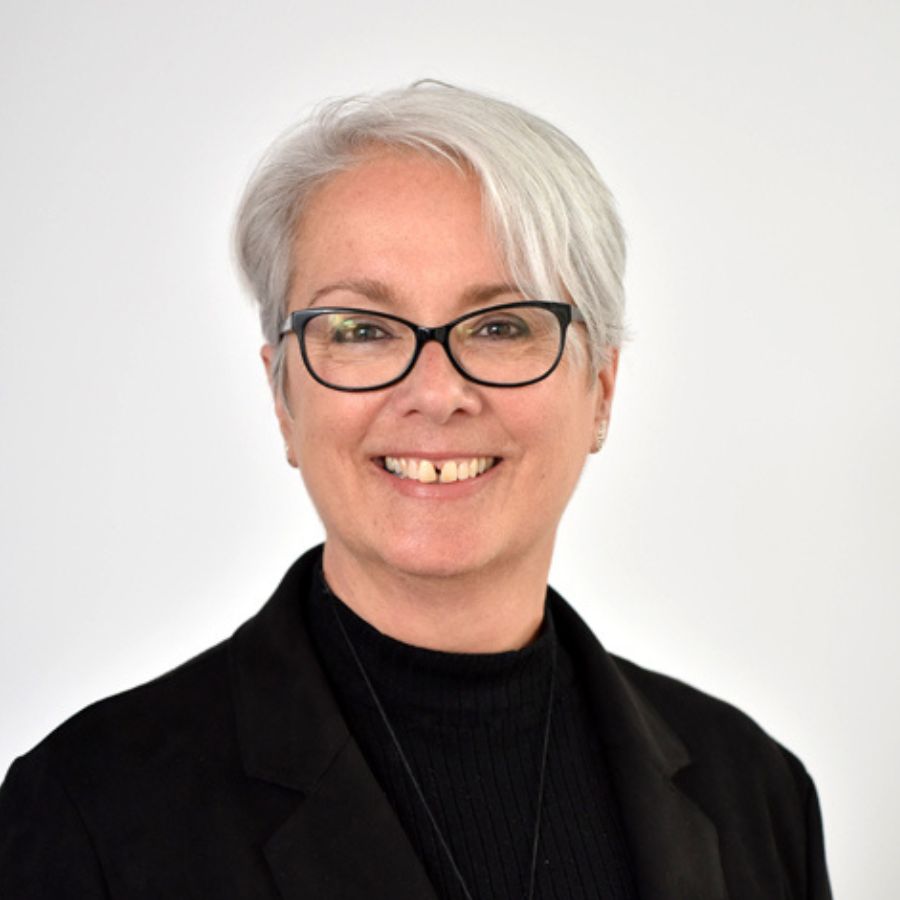
Lucy Small
Lucy has acted for clients who have suffered head injuries and has a wide range of experience of medical negligence work including orthopaedic, obstetrics and gynaecology, oncology, cosmetic surgery and GP care and has significant experience in complex fatal clinical negligence claims.
Podcast transcription
[00:00:00 – 00:00:13] Introducer: This is the Legal Lounge from Lanyon Bowdler Solicitors, where you’ll hear about many aspects of law in England and Wales with special guests, industry experts and local charities. Here’s your host, Amanda Jones.
[00:00:13 – 00:01:20] Amanda: Hello and welcome to the Legal Lounge where we now release new episodes every Monday.
[00:01:20 – 00:01:56] Lucy: I’m really pleased to be talking again to my friend Lee Goff who is the development director at Megan Baker House also known as MBH. Lee just to recap MBH provides conductive education for children and adults with neurological disorders. I first became aware of MBH through my work with children with cerebral palsy and birth injury and over the years have learned more about what MBH does using conductive education. To help children and adults with neurological movement disorders, one of the reasons we’re here, and you’ve mentioned about having to cut some of the outreach
[00:01:56 – 00:03:24] Lucy: sessions which Megan Baker started going out into the community and Shropshire, Worcestershire, Herefordshire, Gloucestershire, Gloucestershire again, is the difficulty in funding for charities, in particular small charities, and in rural communities as well. The main reason you’re here really is because we want… want to push for the funding drive that you have launched at MBH and if you can just give us a bit of background as to why you are now trying to raise £75,000 in 100 days. As a friend said, many pebbles make a beach, so anything at all, preferably as large as possible, but anything large or small. Yes, the first time in 24 years that we found ourselves critically underfunded is due to a series of… So projections grant funding by three in particular major organisations that we thought we had got, and one of those took 14 months to reach its decision. So, you know, trying to prepare a budget on that basis is really difficult. They supported our children and older clients previously, and these results have put the charity cash flow under serious pressure. We do make a charge for our services. We’ve just increased. increase their contributions by up to 40%. A lot of them, when we started it, said, what’s kept you, you know, of course we’ll pay for this, we’ll pay anything for it within reason, obviously. It was something that I thought long and hard about because I didn’t, we’d always been free and I didn’t really want to be charging. But when we started, as I said, you know, it was, people said, yes, of course we will.
[00:03:25 – 00:03:33] Lucy: it doesn’t cover anything like the cost. And having said that, I would say we… You wouldn’t turn anyone away on the basis of their ability or inability to pay.
[00:03:32 – 00:03:34] Lee: You
[00:03:33 – 00:03:34] Lucy: So
[00:03:33 – 00:03:34] Lee: find a way.
[00:03:33 – 00:04:45] Lucy: we find a way and, you know, I have a chat with them and, you know, that’s fine. So, you know, I mean, it’s open to all really. You come for, you have an initial assessment and at that stage, the parents, if it’s a child, will be told what they might expect. And if they’re told that that child will be able to sit up. tap or even stand walk in most cases not as maybe you and I do but it is being able to stand with peers and they’re absolutely amazed because they weren’t told that when professionals as you know when when they were born if they’ve got cerebral palsy or something then they’ll be told not to expect them to do very much we can tell them it’s not magic it’s a lot of hard work they have to work very hard but they do it and they do it to music and they do it they chant one two three four and it’s the the repetition going over and over all the time but yes i mean as you said so we’ve set up this appeal which which we launched last week i’m putting out as far and wide as possible to try and get 75 000 pounds in by the 31st of december if we don’t we’re going to have to cut services and we’ll be cutting uh you know because it makes me so sad because i know of the people that need it like the ones that i said down in the forest there’s this couple that come
[00:04:44 – 00:04:52] Lucy: And there’s nothing else like it. I know about that for them. So, you know, they’d just be left high and dry. It’s terrible.
[00:04:51 – 00:05:03] Lucy: They can reach out to you, but I know that the reach out services that had been rolled out over the last few years were having really positive results, but if you haven’t got the funds, you can’t do that.
[00:05:02 – 00:05:10] Lucy: No, that’s right. We ring Cheltenham. We’ve had to close that one down. We had to close the forest of Dean down. We had to close church dressing down.
[00:05:09 – 00:05:10] Lucy: Hmm.
[00:05:09 – 00:05:20] Lucy: and bring it all back in house you know so they’re long distances for people to travel and you know some can’t don’t have the transport available to be able to do that
[00:05:19 – 00:05:20] Lucy: No.
[00:05:19 – 00:05:21] Lucy: it’s quite dire yeah
[00:05:20 – 00:05:41] Lucy: Because rural communities that you were helping, I mean the Megan Baker House is based in Ledbury, isn’t it? The main place, but as you say, far reaching in those communities that aren’t well served by transport either. It’s a struggle for people to get to services and there is a lack of services for them.
[00:05:40 – 00:05:41] Lucy: Yeah.
[00:05:40 – 00:05:44] Lucy: And you have no NHS funding or state funding,
[00:05:43 – 00:05:44] Lucy: Nothing
[00:05:43 – 00:05:44] Lucy: do you?
[00:05:43 – 00:05:45] Lucy: at all.
[00:05:44 – 00:05:45] Lucy: So
[00:05:44 – 00:05:45] Lucy: No.
[00:05:44 – 00:05:49] Lucy: it’s purely on donations, grants and some funding. Yeah.
[00:05:48 – 00:05:50] Lucy: Yeah.
[00:05:49 – 00:05:51] Lucy: And some from clients.
[00:05:50 – 00:06:12] Lucy: Yeah. We’ve just had a major fundraising by a wonderful man who’s just done 31 days in July of kayaking. I have to get this right. Kayaking 10 miles a day. And so that was 310 miles. in the month so it was evicted from Tewkesbury which is where he’s based Tewkesbury to Bruges and he also took various people with him and that they had to make a donation and do their own
[00:06:11 – 00:06:12] Lucy: Mm
[00:06:11 – 00:06:13] Lucy: fundraising
[00:06:12 – 00:06:13] Lucy: hmm.
[00:06:12 – 00:06:23] Lucy: as well and through that we raised just under five thousand pounds and I’ve just had today news that a major client of his has also now given us three and a half thousand pounds
[00:06:22 – 00:06:23] Lucy: Yeah.
[00:06:22 – 00:06:25] Lucy: to go towards that as well so so that’s
[00:06:24 – 00:06:26] Lucy: All
[00:06:25 – 00:06:26] Lucy: fantastic
[00:06:25 – 00:06:35] Lucy: good. But so we’re looking at. If you look at the actual costs for Megan Baker House, it’s £5,000 a week per child. If you’re looking at the children’s services that you would need to raise,
[00:06:34 – 00:06:35] Lucy: Yeah.
[00:06:34 – 00:06:46] Lucy: gosh, yeah, to keep things going. But as you said, I thought that’s a great way of describing it. Many pebbles make a beach, so the more people who can get involved and contribute.
[00:06:45 – 00:07:10] Lucy: Yeah. Yeah. And plus getting, clubbing together, you know, in lots of different areas, people are trying to help. I’ve got. people that are doing things for us in that way. I’m an optimist, so I just hope that something comes through. But I mean, I just feel very sad that, you know, after all this time, I’ve been in post 19 years, which I never thought I’d be here this long. It’s never been like this.
[00:07:09 – 00:07:10] Lucy: You’ve never had.
[00:07:09 – 00:07:13] Lucy: No, never had a situation like this. So it’s quite sad.
[00:07:13 – 00:07:21] Lucy: It is. And is it difficult for smaller charities? I mean, you see the big high profile charities, but is it smaller charities? It is trying
[00:07:20 – 00:07:21] Lucy: I
[00:07:20 – 00:07:21] Lucy: to get.
[00:07:20 – 00:07:27] Lucy: don’t know because I think that some of the, you know, the bigger ones, the hospices and things also struggle.
[00:07:26 – 00:07:27] Lucy: Yes,
[00:07:26 – 00:07:35] Lucy: There’s a lot of things out there as fundraising itself. I mean, as you know, Lucy, I had a board booked last year and
[00:07:34 – 00:07:35] Lucy: yeah.
[00:07:34 – 00:07:53] Lucy: had to have 100 people coming to that, which I got over 100, then people were dropping out. And I thought if it drops below 100, we can’t do it. So I had to. to take the decision, I had that time frame that had numbers in by a certain number of weeks beforehand and I had to cancel it.
[00:07:52 – 00:07:55] Lucy: Yes, I know, but the charities have had to do that as well.
[00:07:54 – 00:07:55] Lucy: Yeah, because,
[00:07:54 – 00:07:55] Lucy: I’m
[00:07:54 – 00:08:02] Lucy: you know, because it’s just, it wouldn’t be profitable and it just makes it quite, you know, and
[00:08:01 – 00:08:04] Lucy: going to eat into your funds then, aren’t you, if it’s a limited
[00:08:03 – 00:08:04] Lucy: absolutely.
[00:08:03 – 00:08:04] Lucy: service.
[00:08:03 – 00:08:10] Lucy: And it also sends out the wrong message, you know, I think, but that’s the situation.
[00:08:09 – 00:08:16] Lucy: So if anybody wants to. you donate to this emergency fundraising how do they find out about it how
[00:08:15 – 00:08:16] Lucy: The
[00:08:15 – 00:08:17] Lucy: do they oh
[00:08:16 – 00:08:21] Lucy: appeal is meganbakerhouseappeal.org.uk.
[00:08:21 – 00:08:25] Lucy: And also if they go on the website you can donate to Megan Baker house
[00:08:24 – 00:08:37] Lucy: Yeah, you can. It’s through the appeal and then that comes through a specificly. So it’s, you know, I’m keeping a chart of what’s coming in. So if it comes in through the appeal, it comes through Stripe and then it sort of filters into our.
[00:08:36 – 00:08:39] Lucy: oh so it’s an online payment payment
[00:08:38 – 00:08:39] Lucy: non
[00:08:38 – 00:08:39] Lucy: and online
[00:08:38 – 00:08:39] Lucy: -payment
[00:08:38 – 00:08:40] Lucy: secure
[00:08:39 – 00:08:40] Lucy: yeah
[00:08:39 – 00:08:41] Lucy: and excellent
[00:08:40 – 00:08:41] Lucy: absolutely
[00:08:40 – 00:08:41] Lucy: people
[00:08:40 – 00:08:42] Lucy: yes
[00:08:41 – 00:08:42] Lucy: like to know
[00:08:41 – 00:08:42] Lucy: this
[00:08:41 – 00:08:43] Lucy: these days don’t
[00:08:42 – 00:08:43] Lucy: went with
[00:08:42 – 00:08:43] Lucy: they can
[00:08:42 – 00:08:48] Lucy: this with Stripe so it’s at www.meganbakerhouseappeal.org.uk conduct
[00:08:47 – 00:08:52] Lucy: you just give us a recap on what is conductive education
[00:08:52 – 00:09:53] Lucy: of education it’s an educational process it’s learning by repetition but it’s teaching the brain ways in which they can overcome the obstacles put in its way for example with adults with Parkinson’s and so on So I’m a stroke. With children with cerebral palsy, it’s slightly different. It means that they’re taught ways in which they can carry out everyday activities that we take for granted, like putting their shoes on, going to the toilet, holding a spoon, being able to feed yourself, being able to generally do things that, as I said, we take for granted. It’s very difficult to explain. You have to, I would say, seeing is believing and, you know, if anybody. listening wants to come and see us and see for yourself what we’re about then that’s the best way of doing it and all the time it’s being developed it’s not when I started years ago it was it was it had a sort of fairly um one two three four it was accounting and the repetition there are all sorts of other things that have come in now and the staff are developing ways themselves when they identify different neurological conditions
[00:09:52 – 00:09:57] Lucy: So very highly trained in conduct. Conductive education, aren’t they? But it’s quite a niche form
[00:09:56 – 00:09:58] Lucy: Yes, it
[00:09:57 – 00:09:58] Lucy: of
[00:09:57 – 00:09:58] Lucy: is.
[00:09:57 – 00:09:59] Lucy: therapy.
[00:09:58 – 00:10:43] Lucy: It is. It’s a three-year degree course and we’re fortunate because Sue, who’s our head of services, is actually qualified to oversee the training of staff who want to be conductors. Actually, we now call them conductive education specialists, which makes it much easier to understand. She can oversee their training to degree level and so we have all of our staff now apart from one. And she’s, I think she’s in her third year of her degree course and they’ve all got now got degrees in conductive education and these are done under the auspices of the Birmingham University and Sue does their hands-on training and marking and so on and then they have a period where they go to the university for I think it’s one day a month and they also have online tutorials with staff as well.
[00:10:43 – 00:10:48] Lucy: So it’s a great opportunity for hands-on training and actually seeing. Some really good results.
[00:10:47 – 00:11:26] Lucy: absolutely they say yes on the job is the best way to learn isn’t it you know because they can learn ways in which then they understand what they’ve been told is the way to hold somebody for example I mean I because I’m not trained I wouldn’t dream of unless they saw when the staff told me how to do it I couldn’t just go and support someone because you have to do it in a special way it’s knowing what you can do And the fact is that the parents will often say, I’ve heard them say, gosh, I didn’t know they could do that. And you think, well, really? Because they’ve watched them walk out and they didn’t know that they could walk. So it gives the parents the confidence then to let them do it. And
[00:11:25 – 00:11:27] Lucy: to do it a home.
[00:11:26 – 00:11:32] Lucy: then they want to know how they can best support them. So it’s the whole thing then it becomes something else.
[00:11:31 – 00:11:40] Lucy: But it’s not something you can’t go once and then that will have a benefit, the importance. of Megan Baker House being there is to provide the ongoing sessions.
[00:11:39 – 00:12:13] Lucy: Yes, it’s the sessional services. It’s the sessional services. It’s the way they interact with each other, with the staff and so on. And I mean, it’s an amazing place to be. Whenever I watch sessions, I’m just thrilled by the way that the reaction of the children to each other and some of them have got very complex disabilities. You know, the quadriplegic one is quadriplegic. quadriplegic with and he’s also non-verbal but he communicates through a small laptop it’s eye activated and it’s amazing the brain is an amazing organ it’s what’s locked in there given
[00:12:12 – 00:12:15] Lucy: Yeah, giving the children,
[00:12:14 – 00:12:15] Lucy: the chance
[00:12:14 – 00:12:16] Lucy: yeah,
[00:12:15 – 00:12:16] Lucy: to get out
[00:12:15 – 00:12:16] Lucy: yeah,
[00:12:15 – 00:12:17] Lucy: yeah yeah
[00:12:16 – 00:12:28] Lucy: and the adults. I mean, with the children, I think it’s sometimes thought that there’s no prospect of any development for a child. And that’s not correct because there are ways of of giving them the best quality of life.
[00:12:27 – 00:13:10] Lucy: Yeah, absolutely. And of course, in the long term, the whole thing is the fact that we’re taking an awful lot of pressure off the traditional services like the National Health Service because medication is not needed quite so much and maybe appliances or later on in life it’s not needed so much because they’re able to do things they can most of them are in mainstream school. And in those cases, we do have quite a few of the TAs that come in and want to learn about what we do and which we welcome so they can then see what they can do in the classroom that follows it through. So it’s a whole thing of teaching everybody that supports that person, that child. I mean, this is the same for adults as well.
[00:13:09 – 00:13:16] Lucy: In terms of the children, and it’s stress and importance to start quite early or at any age with a child, but you can make progress.
[00:13:15 – 00:13:48] Lucy: Yes, it is. Early intervention is. is the best way. The youngest we had was somebody phoned from the hospital bed to say their child had been diagnosed with cerebral palsy and they said what age could we start with you and Sue immediately said I come and see you what hospital are you in? She went to see when they came out of hospital she came in with the baby straight away and started working through the development stages as well. It was only a very short time obviously each session but at least it At least it was giving the mum the ideas of what she could do to overcome some of the difficulties.
[00:13:47 – 00:13:52] Lucy: And she’s probably very scared, worried about the future and that she might have Yep. some support from somebody knows.
[00:13:51 – 00:13:53] Lucy: Yeah.
[00:13:52 – 00:13:53] Lucy: Yeah.
[00:13:52 – 00:13:53] Lucy: Yep.
[00:13:52 – 00:14:07] Lucy: And we’ve talked more about the children, but also in terms of neurological motor disorders, I know that Megan Baker House has developed the support for adults. In what sort of area, if you can explain the neurological movement disorder in an adult that you can help.
[00:14:06 – 00:14:15] Lucy: Parkinson’s groups are the fastest growing. Sadly, we have stroke groups and we have MS, we have a few ABIs,
[00:14:15 – 00:14:17] Lucy: So as if somebody’s had an accident,
[00:14:16 – 00:14:17] Lucy: yeah,
[00:14:16 – 00:14:17] Lucy: if it’s a
[00:14:16 – 00:14:18] Lucy: yeah,
[00:14:17 – 00:14:18] Lucy: prior brain injury.
[00:14:17 – 00:15:00] Lucy: or tumour or something, you know, it might be just overcoming areas that are taken away from them in the brain. In front of me, I’ve just got a quote that I’ve just looked up here. I’ve got several. The options I’ve been offered have been life-changing and I wish that everyone with Parkinson’s disease could attend Megan Baker House. This is just a lot of quotes I’ve just put in front of me so that I’ve got quotes to take from. But it is, it’s just, I mentioned to you earlier on that we had a team, two of them from Middles today who came on Sunday to do some recording. And we had a couple that came in, they were the first to reply. They live in the forest where we sadly had to reduce services because of funding issues then. They would travel anywhere to get to us.
[00:15:00 – 00:15:25] Lee: just made so much difference to him and to his wife’s life as well and he finds without it she’s no idea what he’d do because there’s nothing for him nothing at all and he comes to us and of course she can talk to other carers as well carers and husbands wives whatever so it gives him something each week and she she works at home with him she’s very good with him but that’s just one example um
[00:15:24 – 00:15:26] Lee: She’s getting
[00:15:25 – 00:15:27] Lucy: supporting the support as well and
[00:15:26 – 00:15:27] Lee: Yes.
[00:15:26 – 00:15:36] Lucy: I think that’s something that I didn’t realise that you do is the importance of the support to the parents, the carers the families, not just focusing on the conductive education.
[00:15:35 – 00:15:52] Lee: And advising as well, in some cases, you know, the HCP plans and things, you know, they’re all those things which seem to be, if I can say, unnecessarily complicated. And so, you know, helping them to see their way through those. This,
[00:15:51 – 00:15:52] Lucy: Plus
[00:15:51 – 00:15:52] Lee: yeah,
[00:15:51 – 00:15:53] Lucy: the education.
[00:15:53 – 00:15:58] Lee: the education aspect as well, you know, for going into school and so on. So you can assist
[00:15:57 – 00:16:00] Lucy: them with the educational health care plan
[00:15:59 – 00:16:01] Lee: Yeah.
[00:16:00 – 00:16:03] Lucy: so that they can put forward the arguments to get the assistance
[00:16:02 – 00:16:03] Lee: Yeah.
[00:16:02 – 00:16:04] Lucy: in the school.
[00:16:03 – 00:16:05] Lee: Yes. Yeah.
[00:16:04 – 00:16:06] Lucy: Yeah, minefield for parents.
[00:16:05 – 00:16:17] Lee: It is absolutely. It is, isn’t it? Because those forms are so complex and you think, gosh, it’s just, so yeah, the staff will sue in particular is quite au fait with those.
[00:16:16 – 00:16:26] Lucy: I think I remember you saying early on with the Parkinson’s group, one of the first ones that somebody said to you that he got his wife back. Was that, have you got Yeah, that?
[00:16:25 – 00:16:39] Lee: yeah. The man who said he got his wife back, you know, thank you. I’ve got my wife back now because she could communicate because she was part of what was going on at home and so on and just generally being able to be a part of everything.
[00:16:38 – 00:16:46] Lucy: So it’s giving another wave to the brain to get. around the limitations posed by the neurological movement disorder through
[00:16:45 – 00:16:47] Lee: yeah
[00:16:46 – 00:16:48] Lucy: the conductive education.
[00:16:47 – 00:17:25] Lee: yeah invariably Parkinson’s is such a horrid disease and of course you can’t stop it but we can halt what’s going on so we I’m not a trained conductor specialist it can be halted to a certain extent but then it finds a way around that and says no not being able to cut that off you know now you can cut something else off So all the time they’re relearning various pathways and things. It’s giving them opportunities, you know, a life that they can continue with. Our youngest participant is 41 and he’s got young children. So, you know, lots of them say now when they come that they probably had it for some years before they were diagnosed.
[00:17:24 – 00:17:26] Lucy: Oh, right. Yeah.
[00:17:25 – 00:17:33] Lee: Yeah. And I think it’s a very cruel disease because it just cuts out so many things.
[00:17:32 – 00:17:40] Lucy: Yeah, so any way that you can help people to be able to optimise their rehabilitation or their condition.
[00:17:39 – 00:17:41] Lee: Yeah, yeah.
[00:17:40 – 00:17:45] Lucy: So if anybody wants to donate to this emergency fundraising, how do they…
[00:17:44 – 00:17:54] Lee: The appeal is meganbakerhouseappeal.org.uk, www.meganbakerhouseappeal.org.uk.
[00:17:53 – 00:18:08] Lucy: I really personally and professionally and with… everything hope that this does succeed because it’s such a great charity and it’s it’s achieved so much for so many people um so we’re all behind you i know everybody here is behind
[00:18:07 – 00:18:08] Lee: Thank you.
[00:18:07 – 00:18:09] Lucy: everybody’s behind
[00:18:08 – 00:18:09] Lee: Well,
[00:18:08 – 00:18:10] Lucy: it yeah
[00:18:09 – 00:18:14] Lee: and thank you, you’ve been a trustee for many years, so thank you very much for that as well.
[00:18:13 – 00:18:15] Lucy: absolute pleasure good
[00:18:14 – 00:18:20] Lee: Great to have, you know, trustees who are also very supportive, which is lovely. Thank you.
[00:18:20 – 00:18:21] Lucy: luck
[00:18:20 – 00:18:22] Lee: Thank you.
[00:18:22 – 00:18:39] Amanda: Thank you to Lucy and to our special guest Lee. If you have a legal issue you’d like me to put to our team to cover in an upcoming episode please let me know by visiting lblaw.co.uk forward slash knowledge where you can search for all our podcasts. That’s lblaw.co.uk forward slash knowledge.
[00:18:39 – 00:18:43] Introducer: That was the Legal Lounge from Lanyon Bowdler Solicitors.