
 Back
Back


About this episode
Understanding Domestic Abuse in the Digital Age
In this episode of The Legal Lounge, family law solicitor Sue Hodgson is joined by consultant and campaigner Natasha Saunders to discuss the alarming rise of domestic abuse facilitated by technology. They explore how coercive control can manifest through digital means, impacting victims’ mental health and safety, particularly in the context of family court proceedings in England and Wales.
Natasha shares her personal experiences and insights into how everyday technology can be weaponised by abusers, highlighting the urgent need for awareness and better regulation. The conversation sheds light on the complexities faced by survivors navigating the legal system, emphasising the importance of understanding the broader implications of tech abuse on families and children.


In this episode
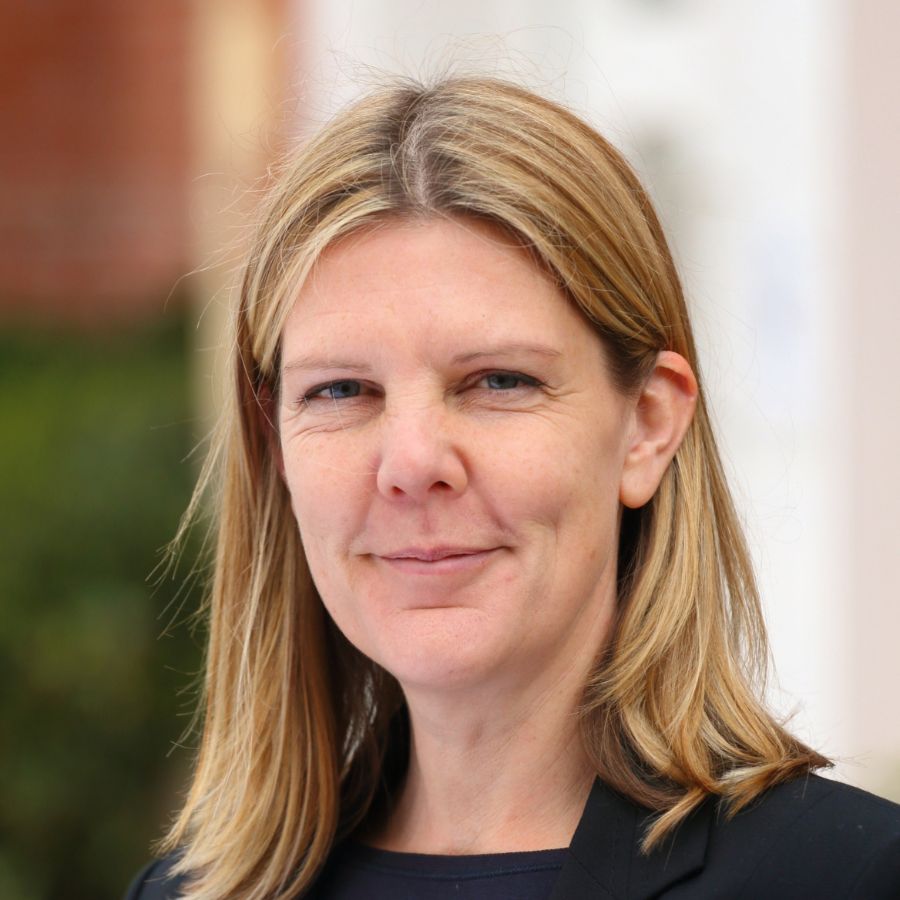
Sue Hodgson
Sue represents survivors of domestic abuse and controlling behaviour within the family courts and uses her knowledge and experience of the family justice system to advocate the strongest position for her clients.
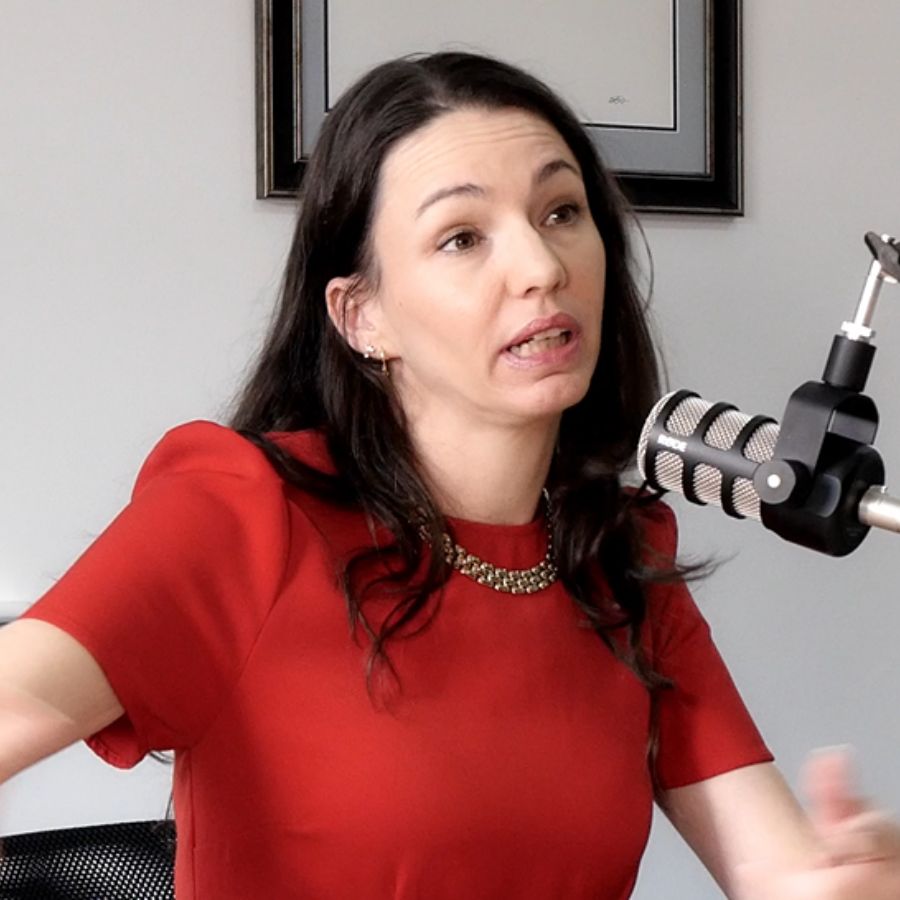
Natasha Saunders
Natasha Saunders is a dedicated campaigner, consultant, and public speaker. Drawing upon her personal experience of enduring eight years of multifaceted abuse – sexual, mental, physical, economic, emotional, and tech abuse, alongside coercive control, at the hands of her former husband – she advocates for change.
Podcast transcription
[00:00:00 – 00:00:13] Introducer: This is The Legal Lounge from Lanyon Bowdler Solicitors, where you’ll hear about many aspects of law in England and Wales with special guests, industry experts and local charities. Here’s your host, Amanda Jones.
[00:00:13 – 00:00:59] Amanda: Hello and welcome to the Legal Lounge where we now release new episodes every Monday.
[00:00:59 – 00:01:19] Sue: Today we’re discussing domestic abuse in the digital age, particularly the use of technology in coercive control and how these issues can impact upon the child-focused family court system in England and Wales. I’m joined by Natasha Saunders this morning, consultant, speaker, campaigner, who has agreed to share her experience. Natasha, thanks for being here.
[00:01:19 – 00:01:34] Sue: When people hear the term domestic abuse, they may think about physical or verbal abuse. What would you want people to understand about the role technology can play in controlling or monitoring a partner or former partner?
[00:01:33 – 00:02:24] Natasha: I think as a society, we are still leaning towards using the term domestic violence. Like so many charities refer to it as DV and things like that. And we’re looking at a time where it’s more than broken bones and bruises. It’s more than black eyes and busted ribs, you know. And now we’re living in an age where I’m 37 and when I was younger, you know. you know there’s 12 pence to send a text message on your screen where you have to type out you remember you had to type out your buttons for your Nokia ringtone and now we’re living in a time where you can quite literally go online and buy covert recording equipment that’s passed off as something it absolutely isn’t and there are people that will exploit that and they are messing with people’s mental health they are messing with People safety. We know the most dangerous time for a woman is when she’s about to leave.
[00:02:23 – 00:02:24] Sue: Mm
[00:02:23 – 00:02:36] Natasha: And if they’re being recorded or monitored, it’s well documented that if somebody knows your email password, they can actually access every single point of your life.
[00:02:35 – 00:02:36] Sue: Yeah.
[00:02:35 – 00:02:37] Natasha: That’s insane.
[00:02:36 – 00:02:38] Sue: Yeah.
[00:02:37 – 00:02:48] Natasha: So I think we need to be opening up that conversation saying domestic abuse covers so many things. and tech abuse is becoming a huge problem because it’s not policed or regulated.
[00:02:48 – 00:03:12] Sue: Yes, I think the escalation in the technology. and how it’s being used is at a far faster pace than the family courts are even aware of and without getting into anything that you don’t want to revisit were the ways in which phones or messaging or social media or other technology were used as tools of control in your position?
[00:03:11 – 00:03:17] Natasha: So I was very lucky because when I left my ex-partner, it wasn’t really a huge thing then.
[00:03:16 – 00:03:18] Sue: Right.
[00:03:17 – 00:03:49] Natasha: But what I did experience was three years until he until he went to prison of being hounded online, of him passing very personal details and non-disclosure agreements from when I was younger and things like that to a woman in Scotland who got taken to court, but he wasn’t, you know, while she shouldn’t have done the things she did and she was threatening to pour boiling water over me when I was five months pregnant, she shouldn’t have done those things, but she was clearly vulnerable herself to be manipulated by. did buy a man 400 miles away
[00:03:48 – 00:03:49] Sue: Mm
[00:03:48 – 00:03:53] Natasha: whilst he was sitting there and it wasn’t an issue.
[00:03:52 – 00:04:19] Sue: That’s the level of it, isn’t it? It’s the range that they can command. I would like people to understand that it’s not just your average ring doorbell that people can access or baby monitors. I think the court has a sense of what they can be used for. But could you explain to us a bit more about what you’re aware of? Rather people are adapting or even using everyday items to control, manipulate and coerce partners and ex-partners.
[00:04:18 – 00:05:15] Natasha: So one of the most standout stories that I have ever heard was a police officer that I was training at Hendon at the Met Police College and he said they had a mental health call and they went out and this woman was absolutely distraught. and she was saying oh like he knows he knows everything he’s in my head he’s in my head you know they went upstairs to try and get her some things whilst they waited for an ambulance to arrive because unfortunately um when police officers attend a mental health call the ambulance rating emergency rating gets downgraded because there’s somebody that’s first aid trained with the person this guy said oh you know he’d seen my my talk maybe the year before and i was at the cpd and he And he said, basically, looked around. and everything in the house was sort of spotless except on both bedside tables they had different things in that she had an alarm clock and
[00:05:14 – 00:05:16] Sue: Hmm.
[00:05:15 – 00:05:29] Natasha: I don’t recall if he said they both had alarm clocks but he was like oh how strange in this day and age and he looked in had a mirrored front and he was like huh and he picked it up and underneath it had like led alarm clock with mic and wi-fi and he was like bingo
[00:05:28 – 00:05:29] Sue: Yeah.
[00:05:28 – 00:05:39] Natasha: and it turned out that basically the guy was just she would go up he went where do you speak to him because he she was saying oh he knows about what I say to my mom and and she would go up and sit on the bed
[00:05:38 – 00:05:39] Sue: Mm.
[00:05:38 – 00:05:40] Natasha: and phone her mom
[00:05:39 – 00:05:40] Sue: Mm.
[00:05:39 – 00:05:57] Natasha: and pull her heart out and he would hear it and he was using that to a point where that woman could have been sectioned you know she’s hearing voices she’s you know and then then he’s going to go well I mean I don’t know if they had children but let’s just say that they did he’s going to say well if you ever leave me I’m going to tell everybody you’re crazy
[00:05:56 – 00:05:57] Sue: Yes.
[00:05:56 – 00:06:02] Natasha: crazy I had every mental illness under the sun when I was dragged through family court by my ex.
[00:06:01 – 00:06:03] Sue: Yeah.
[00:06:02 – 00:06:17] Natasha: And I remember a judge going, literally writing, you’ve thrown everything including the kitchen sink at this. And he went, but then you’ve said she’s got, you know, she’s got bipolar, psychosis, grandiose, you know, so many things.
[00:06:16 – 00:06:18] Sue: Yeah.
[00:06:17 – 00:06:36] Natasha: And yet at the bottom of it, he went, I’m willing to withdraw my application if she comes home. And then he was like, she can have them. at weekends and then he went she’d have them during the week actually and I’ll have them weekends and the judge just said in one page of writing you’ve gone from she’s a danger to everybody around her to if she comes back I’ll drop it yeah
[00:06:35 – 00:06:44] Sue: And that in itself can be a form of abuse, can’t it, using the court system and the children to maintain and carry on that abusive.
[00:06:43 – 00:07:04] Natasha: we were horrifically manipulated via family court and we would have the police rock up at nine o’clock at night I, somebody had told on social media that I beat my children, had phoned the police and said, I think it was Buckinghamshire was one that stood out. They were like, oh, you’ve been seen hitting your daughter because he only had a registration plate.
[00:07:03 – 00:07:04] Sue: Mm
[00:07:03 – 00:07:08] Natasha: He took-hmm. our registration plate from family court when he saw us.
[00:07:07 – 00:07:08] Sue: Yeah.
[00:07:07 – 00:07:16] Natasha: We had to sell the car in the end just to stop them coming out and we’d have these people and I’d go to the police, right, where was I seen hitting her?
[00:07:16 – 00:07:17] Part 1 – Speaker 4: Hmm.
[00:07:16 – 00:07:51] Natasha: Oh, Buckinghamshire. How long ago? An hour and a half. Do you think I can get from Buckinghamshire to Nottingham in that time? No. You know, so in your experience, what sort of equipment are being used by perpetrators in the everyday life? So, I mean, I was rather ignorant. I was, take abuse to me up until about three or four years ago was your life 360, yes. I really don’t understand why people need that. I don’t understand what you need to know how fast someone’s going, whether they’re in a car on foot, you
[00:07:50 – 00:07:51] Sue: Yeah,
[00:07:50 – 00:08:16] Natasha: know, that sort of covert tracking, even tech abuses, you know, somebody paying with, you know, Apple Pay, Google Pay and then their partner looking to see where they are and all of those sorts of things. And then I went online and I was seeing loads of other sort of surveillance things and I ended up working with a company up in Liverpool who train. especially as pedophile teams on legislation and what’s there and they have something called the tech cave and
[00:08:15 – 00:08:16] Sue: Hmm.
[00:08:15 – 00:08:41] Natasha: you go in and there are water bottles with recording devices car keys with cameras in plugs with usb um holes that if you you know you mount it on the wall it works like a plug but one of the usbs doesn’t work because it’s got a microphone in and it just connects and just crazy things like that so i went on to to timo and I thought I’m gonna I’ve got some of them with me I’m gonna bring them out so these kind of look like key rings right
[00:08:40 – 00:08:42] Sue: Yes.
[00:08:41 – 00:09:03] Natasha: you know and like this one yeah yeah this one even has a screen on it and I made the decision that when I was buying these there we go I was going to make sure that none of them cost more than 10 pounds and I wanted to see if they worked because ultimately just because you buy it doesn’t mean it will work and then I was hearing things this one’s tiny and I was hearing things about them being put in things like you It’s like cereal boxes up on a shelf.
[00:09:02 – 00:09:04] Sue: Good grief.
[00:09:03 – 00:09:25] Natasha: Spice jars, that’s another one I’ve heard, like literally in your mixed herbs, having one of these in there and filling it up. And then I was hearing about, you know, your air tag type devices where perpetrators are putting them in handbags, like in the bottom of handbags. They’re putting them in coat pockets. They’re putting them in children’s builder bears, you know, cutting a builder bear open, putting it aside so they can track,
[00:09:24 – 00:09:25] Sue: What’s
[00:09:24 – 00:09:26] Natasha: so they
[00:09:25 – 00:09:26] Sue: happening
[00:09:25 – 00:09:26] Natasha: can find
[00:09:25 – 00:09:26] Sue: with…
[00:09:25 – 00:09:32] Natasha: out where the mother is in temporary accommodation. and in a refuge it’s terrifyingly real it
[00:09:31 – 00:09:32] Sue: Yep.
[00:09:31 – 00:09:56] Natasha: seems james bond it seems covert it seems you know oh yeah what we’re not we’re not mi5 sort of thing but this is so accessible i mean i’ve got here a gps tracker cost me 199 you put a sim card in it with a sim plan and that there will magnetically go onto the bottom of someone’s car or if you could get it in the boot or the footwell or wherever about maybe under a seat on the on the runner of the the
[00:09:55 – 00:09:57] Part 1 – Speaker 5: Mm
[00:09:56 – 00:10:19] Natasha: chair and you’re going to know where that person is at all times in their car you can get pens pens with cameras in pens with uh this is just got a mic in both of them fully functional both of them you can write with you can actually replace they come with more free ink cartridges than you’d get with a normal pen but this one here you could literally press the button yeah
[00:10:18 – 00:10:25] Sue: So the message I’m getting is when you’re still in that relationship and trying to leave, all of this can come into play.
[00:10:24 – 00:10:26] Natasha: absolutely
[00:10:25 – 00:10:32] Sue: However, once you separate and if you have children, you then have to have some form of relationship because at the moment, of course.
[00:10:31 – 00:10:32] Natasha: Yeah.
[00:10:31 – 00:10:35] Sue: We know the presumption is the children should see both parents,
[00:10:34 – 00:10:35] Natasha: Yeah.
[00:10:34 – 00:10:50] Sue: although obviously on the horizon that is going to change. So am I right in thinking that through this type of equipment, perpetrators can continue the coercive control because these could be put into the usual paraphernalia that children carry with them?
[00:10:49 – 00:10:55] Natasha: Absolutely. And the thing is, we’re also, as a society, not talking about being able to counteract those things.
[00:10:54 – 00:10:56] Sue: Yes.
[00:10:55 – 00:11:12] Natasha: So there’s an app called Thing, which is F-I-N-G. it’s free to download it will tell you bluetooth devices around you yeah and that is a way of knowing that you know you’ll get people that go she’s being paranoid checking the teddy the child’s come home with is she being paranoid or safe does
[00:11:11 – 00:11:13] Sue: Yeah.
[00:11:12 – 00:11:25] Natasha: it hurt it’s like doing a claire’s law or a sarah’s law on someone my friend has recently got with a new partner i mean i immediately look at him go there’s something not right but that’s just me yeah have I been wrong yet no
[00:11:24 – 00:11:26] Sue: Mm-hmm.
[00:11:25 – 00:11:28] Natasha: but if you know for all my dad’s
[00:11:27 – 00:11:28] Sue: Yep,
[00:11:27 – 00:12:06] Natasha: giving me that ability to look at people and I said to him are you going to do a clair’s law on him well why would I I went well why wouldn’t you well because he’d get really upset if I suggested that and I went why and even my husband was like why like you know I remember being dragged through family court and my ex-husband accusing my current husband of being a paedophile over and over and I don’t mean imagine that being called that in a family court constantly that was what made me want to change the law was that when I went to the police and I said look he’s he’s threatening online to share intimate images of me And I’m terrified. What do I do? Well, it’s only a crime if he actually shares them.
[00:12:05 – 00:12:06] Sue: Yeah.
[00:12:05 – 00:12:08] Natasha: Reactive rather than proactive.
[00:12:07 – 00:12:08] Sue: Yeah.
[00:12:08 – 00:12:12] Natasha: And so I decided, right, okay, well, I’ll be the change then.
[00:12:11 – 00:12:31] Sue: And this is something that I think is quite apparent insofar as going back to the physical abuse, verbal abuse, everybody’s aware of that. But it’s the impact on the person that’s living with this coercive control. And that doesn’t appear to me to go away at any point,
[00:12:30 – 00:12:32] Natasha: No.
[00:12:31 – 00:12:37] Sue: even once the court have perhaps decided that there should be contact or not.
[00:12:36 – 00:12:38] Natasha: Yep.
[00:12:37 – 00:12:46] Sue: It’s, I think, really important that people understand the impact on that parent who’s going through it.
[00:12:45 – 00:12:58] Natasha: I mean, I was, I hate that I have to say lucky, and I actually hate that sometimes I meet victims and I tell them, I think the hardest room I ever declared it to was HMP Bronzefield on International Women’s Day,
[00:12:57 – 00:12:58] Sue: Hmm.
[00:12:57 – 00:13:24] Natasha: and it was optional for the women to come and over 100 women came and it was amazing. And it was probably the biggest privilege of a talk I’ve ever given. And I said to them, you know, like, my ex-husband imprisoned 12 years for rape and things. And I remember after I heard some of them are like, oh, you’re really lucky because mine didn’t go to a charge decision. Mine didn’t. And that is wild. So I was quite lucky because that investigation was ongoing, the family courts were amazing.
[00:13:23 – 00:13:25] Amanda: Yeah.
[00:13:24 – 00:14:06] Natasha: He was found attempting to take my, when he was arrested, attempting to take my children to a car, he’d stolen from work up a side street, walking towards the car with them. In the car was ID document, anything of minor value. Like he’d always promised me if I left him after the first time and I went back. if I ever left him again he’d kill himself and the children and make me live with it and that’s not a shallow threat often is it no Oh, he would have done it absolutely and so even now if I get a letter from Nottingham Court and I know Nottingham Court can outstroy if that is on the top of a letter I then spend 24 hours trying to teach my body that I’m not being hunted for sport
[00:14:05 – 00:14:06] Sue: Yeah.
[00:14:05 – 00:14:40] Natasha: because it goes boom oh my gosh you know the court um you know he he was like he just went to everybody I he disassembled my magazine which meant my income stream was affected because and it just they get into everything you do you don’t know if you can trust your friends or your family How do you, do you, you know, and it’s constant, even when he went to prison, he spent months ringing Dorset police reporting me for rape over and over again. Oh, my psychiatrist has said that I’m being raped. And it’s like.
[00:14:40 – 00:15:00] Sue: Are the things that you would wish the professionals in the family court system to understand about? the way children can be drawn into this because it seems to me that because of the pressures and the resources that the courts are working under at the moment to have the court
Part 2 [00:15:00]
Speaker mapping:
Sue (Part 2 – Speaker 0) = diarization label A
Natasha (Part 2 – Speaker 1) = diarization label B
Part 2 – Speaker 2 = diarization label C
[00:15:00 – 00:15:05] Sue: But investigate allegations, because let’s face it, they’re allegations until they’re proven.
[00:15:05 – 00:15:06] Natasha: Yep,
[00:15:05 – 00:15:07] Sue: I absolutely. don’t know if they’re in a court of law.
[00:15:06 – 00:15:09] Natasha: And in fairness, as they should be,
[00:15:08 – 00:15:09] Sue: Yeah.
[00:15:08 – 00:15:19] Natasha: a lot of people think that I think if somebody’s accused of rape, we should automatically go, oh, yeah, no, you are innocent until proven guilty. But that also goes for the victims as well.
[00:15:18 – 00:15:22] Sue: But to do that in a family court, they obviously hold fact-finding hearings.
[00:15:21 – 00:15:23] Natasha: Yes. Yeah.
[00:15:22 – 00:15:42] Sue: Now, when you’ve been through a lengthy relationship. that can be years and years and it’s been a constant living under coercive control let alone all the other forms of domestic abuse the court do lean on you to reduce your allegations to be specific but then you’re missing the pattern and
[00:15:41 – 00:15:43] Natasha: Yeah.
[00:15:42 – 00:16:00] Sue: I think quite often more importantly the impact so is there anything you would like to say Did professionals really working in this system that can possibly help the people who are finding themselves in this awful situation at the moment and trying to navigate through it?
[00:15:59 – 00:16:01] Natasha: Yeah.
[00:16:00 – 00:16:31] Sue: I remember a solicitor saying to me, well, he didn’t rape the children though, did he? And I was like, okay, the reality of it is mother or father, how they behave directly impacts their children. The reason when I left, I decided to be the voice that I needed to hear is because I needed to show my children that you can overcome, you can endure and you can make a difference for other people. It’s wild because of the language still used. I mean, I’m lucky I had the wherewithal to go away and I would Google it and I would understand. I mean, we went.
[00:16:30 – 00:16:58] Natasha: we went through a step parent adoption it took six years and I did it on my own because we couldn’t afford barrister I literally did it start to finish on my own but you know the language judges use even when they’re getting at the end of a hearing it’s like a roller coaster because one second they’re going well this parents actually you know I understand that they’re concerned and you’re sat there going oh my god they’re gonna let him he’s gonna kill them he’s gonna you know I think it’s just an outdated overstretched process and I think we don’t we become desensitized you to
[00:16:57 – 00:16:58] Sue: Mm.
[00:16:57 – 00:17:25] Natasha: tell you so I train police officers and I more and more getting into the legal field legal professionals professionals in the court system they’re desensitized it’s just another day I’m not saying that you know family court representatives aren’t doing their very best I’m not saying that but these people have got to go away and deal with the consequences Yeah. the reality is that access when you know what that person has done to you access can honestly send you into a spiral you
[00:17:24 – 00:17:25] Sue: Mm-hmm.
[00:17:24 – 00:18:35] Natasha: know saying that somebody has had a mental health crisis in the past doesn’t necessarily make them a bad parent and it’s really odd because I I haven’t actually heard a judge ever sort of look at a man and go well you did have a mental health crisis in 2008 but with a woman it’s like you did have a mental health crisis in 2008 I had a really interesting conversation like two days ago with a woman whose ex-partner is not abusive in any way right and she’s moved across the country with her new partner and her two sons are like 15 16 and she said to them do you want to come with me or do you want to stay with your dad and they said can we stay with our dad finish girlfriend we’ll come down at weekend blah blah blah and she was like oh you know go on and I went what and she looked at me I don’t know her very well I know her partner what do you mean she was like well go on take a pop and I went no I said why do we automatically assume we’re sat there and we’re like well why has the woman not got the children Yeah. and things like why is the woman going to you know going to carry off this weight and and so it’s not about whether it’s male versus female it’s about who’s the appropriate parent are there people out there who cannot be civil I’ve got friends they cannot be civil for the sake of their children yeah there are people that I am friends with either side of the couple and I don’t particularly like either of them either of them
[00:18:34 – 00:18:36] Sue: Yeah.
[00:18:35 – 00:19:13] Natasha: when they’re behaving like that but I’m there because of their children they’re all those people and they use the court as a as a tug of war but there are women who are literally holding on to their children and going you don’t understand you don’t know the damage they’re going to do I left 2015, two children, two carrier bags on the 5, almost 6. One was two and a half. We went into a refuge where there was a woman who had been brought down from an island in Scotland. She was told that she would be going back to just bring something for the train ride. She came all the way down to Portsmouth. When she got there, the staff went, oh no, you’re never going back.
[00:19:12 – 00:19:14] Sue: No.
[00:19:13 – 00:19:16] Natasha: And she had a complete break.
[00:19:15 – 00:19:43] Sue: Yeah. the staff left and just left with the night sleeper and for like four or five days she was getting up every night with a kitchen knife and like screaming in the corridor so you’d open your door in the middle of the night my daughter had an earache there were police barreling down the corridor they are male they are freaking the other women out in the end i went down there i was annoyed my daughter’s not well i literally just went get excuse me excuse me went straight in there was like right listen i understand you’re struggling give it to me and she was like there we go i was like
[00:19:41 – 00:19:50] Natasha: Like, shall we put knives away at night, guys? Just an idea. Also, come on, we’re going to get you help. It shouldn’t get to that point.
[00:19:49 – 00:19:50] Sue: No.
[00:19:49 – 00:20:01] Natasha: My kids were traumatized by that. Those to see police officers and you’ve seen both clam up and to clear that up and to really help him get into a headspace where it’s like good people don’t hurt other people.
[00:20:00 – 00:20:01] Sue: Hmm.
[00:20:00 – 00:20:09] Natasha: If you have a drunk driver pressing to you, you turn around and go, that idiot drank alcohol, knowingly did something illegal and has impacted me.
[00:20:08 – 00:20:10] Sue: Hmm.
[00:20:09 – 00:20:13] Natasha: But nobody walks around for the rest of their life, well, unless you’re obviously seriously injured,
[00:20:12 – 00:20:13] Sue: Yeah.
[00:20:12 – 00:20:20] Natasha: but nobody generally walks around their whole life and says, oh my God, the drunk. The drunk driver hit me and society doesn’t look at them and go, careful, and
[00:20:19 – 00:20:21] Sue: Yeah.
[00:20:20 – 00:20:23] Natasha: the drunk driver hit her. They don’t do it.
[00:20:22 – 00:20:23] Sue: No.
[00:20:22 – 00:20:27] Natasha: Whereas when you’re a rape victim or a sexual assault victim, everyone’s like, careful,
[00:20:26 – 00:20:27] Sue: it’s
[00:20:26 – 00:20:28] Natasha: it’s the rape
[00:20:27 – 00:20:29] Sue: the victim. rape culture, isn’t it?
[00:20:28 – 00:20:29] Natasha: Yeah, yeah, yeah.
[00:20:28 – 00:20:31] Sue: On the poems in that initial.
[00:20:30 – 00:20:46] Natasha: And people treat you differently. I’ve had people go to me, how’s your husband and his family like cope with what you do for work? Sorry? Sorry? it’s a societal perception and we need to change it no
[00:20:45 – 00:20:48] Sue: And it sounds to me like you’re never really free of it.
[00:20:48 – 00:21:33] Natasha: not at all he’s just had his latest parole application turned down again he didn’t choose to apply for a hearing last time nothing’s changed he’s not he’s and this is the other thing you know at what point do you say right there has been a huge escalation on non-contact sexual offences to contact sexual offences he’s now been found guilty of rape rape or multiple people who came forward in court, we can now see very clearly that he manipulated the family court system as much as he did the court system and the prison system. He is taking no accountability and in 2030 at the very latest he’s going to be back out on the streets and I say it to every person I give a talk to he will kill the next person he’s with and I think that’s that soon.
[00:21:32 – 00:22:09] Sue: a valid point actually when people find themselves in the family court system it’s often very quickly following the separation and clearly traumatized not really understanding what you’ve been through often and I will well the the victim I don’t like using the word victim the survivor of that abuse is only starting to realise what they’ve been through but then the system demands that they are specific that they tell the same facts time and time again you’ll then expect it if you’re preparing for litigation to have to reread all the police retrumatize yourself
[00:22:08 – 00:22:10] Natasha: I
[00:22:09 – 00:22:10] Sue: going
[00:22:09 – 00:22:10] Natasha: remember
[00:22:09 – 00:22:10] Sue: through that
[00:22:09 – 00:22:24] Natasha: Nottingham police turning up at my house two days before the trial started and they said um yeah we’re here to so you can watch your video evidence and I went what and they went we’re here so you can watch the video evidence and I was like what in my house
[00:22:23 – 00:22:24] Sue: Yep.
[00:22:23 – 00:22:40] Natasha: and they were like oh did no one tell you no we can refresh your memory i don’t want you to and i went next door and i watched it in my friend’s study and because i was like i didn’t want it in my house and i i remember being curled up on this chair and watching it
[00:22:40 – 00:23:07] Sue: and I remember the police officer who came out who was like wow and I was like yeah but it was really interesting because I mean I’ve come a very very long way from that but I just remember looking at this woman curled up on the sofa talking to this this woman and there was so much I didn’t in my initial police statement I said that he was not physically abusive and yet he used to pinch me under my arms where nobody would see kick my shins I had a stroke at 25 why because he used to
[00:23:06 – 00:23:13] Natasha: used to treat me unconscious. We now know that the leading cause of stroke in women under 40 is non-fatal strangulation.
[00:23:12 – 00:23:13] Sue: Hmm.
[00:23:13 – 00:23:20] Natasha: It’s just, you know, he’s pulled my hair. And you look at it and you go, what’s physical?
[00:23:19 – 00:23:20] Sue: Hmm.
[00:23:19 – 00:23:22] Natasha: It was physical,
[00:23:21 – 00:23:22] Sue: Hmm.
[00:23:21 – 00:23:32] Natasha: right? But I didn’t say that. And my police officer, my OIC actually came to my talk at Hendon Police College back in May.
[00:23:32 – 00:24:02] Sue: hadn’t seen him in 11 years I’ve only seen this man once when I did my video interview forgot how tall he was and um he just he’s become like a family member nobody asked for he called me in a redneck and I’m like Jesus you’re still alive smoke so much and um he cried the whole way through my talk he said my police officers that were there were like sat hugging his leg in there you know and um I said to him I said before you hear this I need to tell you that there are things in here that were never in my my statement and I looked at him and I was because I said again you still
[00:24:01 – 00:24:02] Natasha: Mm
[00:24:01 – 00:24:02] Sue: even
[00:24:01 – 00:24:02] Natasha: -hmm.
[00:24:01 – 00:24:25] Sue: now I have that need to go I’m not lying I haven’t lied and he was like it’s natural it’s you know he killed he strangled his dog of like 14 years with a belt because I made chips instead of curly fries that came to me as I was in the middle of a fundraiser and this lady who was absolutely sloshed was like oh darling you know yeah but they often go for the animals and it was just like
[00:24:24 – 00:24:30] Natasha: Bang! And I went outside and I stood there and I was like, how did I forget that?
[00:24:29 – 00:24:30] Sue: Yeah.
[00:24:29 – 00:24:44] Natasha: How did I forget that that happened? happened and so for a while I was like oh my god I’m a liar and then I’m like oh I vividly remember I vividly I you know and I told him that and he looked at me and he was like I don’t think you’re a liar
[00:24:43 – 00:24:45] Sue: No.
[00:24:44 – 00:25:16] Natasha: he was like it’s completely natural you blocked out things to survive in court I got called um coached because I kept saying that things were normalized and because I was articulate and every time the barrister came at me I would go back go back with you know I’ve said to him at one point have you ever been raped he was like I’m I’m asking the questions and the judge female was like go on answer her I was like yes um but there’s this element of like um scrutiny that’s put on you if you’re able to articulate yourself and if you’re not able to articulate yourself you’re a mess and you’re obviously not capable
[00:25:15 – 00:25:17] Sue: And
[00:25:16 – 00:25:17] Natasha: of
[00:25:16 – 00:25:18] Sue: you’re not telling the truth or you’re exaggerating.
[00:25:17 – 00:25:33] Natasha: why are you crying are you stumbling over your words are you getting things wrong are you you know and then the people that go in there and go these are the facts facts this is what happened this is what I did they go a little bit direct doesn’t it you seem to know that and every time I said you know they were like well why would you let him rape you and carry on I’d
[00:25:32 – 00:25:33] Sue: Yeah.
[00:25:32 – 00:25:46] Natasha: be like well because it was normalised oh is that a word you think I should say is it you know and it was just it felt like every time there was a person who supported you know when you get a different judge for every hearing
[00:25:45 – 00:25:47] Sue: That doesn’t help, does it?
[00:25:46 – 00:25:55] Natasha: I know how busy the court system is But when like we had four final hearings for the adoption and
[00:25:54 – 00:25:56] Sue: Mm-hmm.
[00:25:55 – 00:26:45] Natasha: obviously it’s you will know a step parent adoption with a living parent is practically unheard of. I think somebody told me that there were like 2000 applications during the time that we were going and only two were successful. And I was like, OK, that’s great. I remember each of those final hearings, we had a different judge. and I’m like this is not the person that has heard the evidence for this this is not the person they’ve just glanced over those reports that have taken six years to put together and the final hearing was a woman we’d never had her before in fairness she actually stayed to give her final judgement because it was like half past four Yeah. and she went right okay I’ll be back with the decision and we were like half past four and she did and she did and she carried on it was an hour and a half off her closing summary and it was a roller coaster because she was like whilst I
[00:26:44 – 00:26:46] Sue: Yeah,
[00:26:45 – 00:27:06] Natasha: don’t doubt that he loves his children and you know saying all the tick box things I understand I do it now anyway I look back and I go okay so you’re doing all the things to close all those gaps making you know but then when she got to the end and she’d be like and therefore you know I grant the step parent adoption it was insane I think I think we just didn’t move because it was like because what would happen was we’d get
[00:27:05 – 00:27:32] Sue: get to the hearing and he would refuse to come out of his cell in prison and then so therefore it couldn’t go ahead and it was like how long are you going to allow him to continue doing this just to be difficult but different judges are terrifying you don’t know who you’re going to get no you don’t often till the day before in fact exactly i want to pick up on something that you said about when they came into your home for you to watch those video interviews the technology being used in the home from my perspective is particularly distressing
[00:27:31 – 00:27:32] Natasha: Mm.
[00:27:31 – 00:27:34] Sue: because that’s your safe space particularly
[00:27:33 – 00:27:34] Natasha: Absolutely.
[00:27:33 – 00:27:47] Sue: dreams and and again I think if we can end maybe on the the fact that that that’s a real traumatization of somebody’s safe space you know
[00:27:46 – 00:27:47] Natasha: It’s
[00:27:46 – 00:27:47] Sue: if you’re not
[00:27:46 – 00:27:47] Natasha: a violation.
[00:27:46 – 00:27:50] Sue: safe if you’re not safe at home and
[00:27:49 – 00:27:52] Natasha: Yeah. you’re not safe in your own room and it’s a violation
[00:27:51 – 00:27:59] Sue: and it’s not an objective test it’s subjective you know how does that make make you feel knowing
[00:27:58 – 00:27:59] Natasha: Absolutely.
[00:27:58 – 00:28:18] Sue: what you’ve been through and trying to get the picture across to the court system to say you can’t just pick up on what happened on one day on one occasion you need to look at the pattern you need to look at the effect and if you’re the person that’s fled that situation with children you are their source of safe space
[00:28:17 – 00:28:18] Natasha: Absolutely.
[00:28:17 – 00:28:21] Sue: you are their primary carer
[00:28:20 – 00:28:25] Natasha: And I think there’s a… there’s a and that was the other thing my children were in the house as well
[00:28:24 – 00:28:25] Sue: Yeah.
[00:28:24 – 00:28:57] Natasha: my children were upstairs you know um and they want to come in with a laptop open it up and make me watch it on my sofa I don’t think so you know again my husband was there then I don’t want him hearing those details I’m not saying like he can’t but unless he went I mean he would have sat with me if I’d asked him to but it would traumatize him and once you’ve heard those things you can’t unhear those things you know I think the courts need to do what the police are doing. We are now seeing more and more people like me who have gone from survivors to experts in their field in what they do,
[00:28:56 – 00:28:57] Sue: Hmm.
[00:28:56 – 00:29:39] Natasha: getting in subject matter experts who are educating these people. And whilst I don’t mean to sound judgmental on judges, judges, no pun intended, many of them come from social situations where abuse is not framed as abuse. It’s very much. very much well he drinks at the weekends and screams at his wife but it’s okay because he’s got a stressful job or whatever the case may be they very much view domestic abuse as a lower class problem and whilst we know the socioeconomic impact of you know money being short and things like that you know it happens everywhere and it doesn’t matter how much money you’ve got in the bank or what you do and it looks different in every one of those situations and it’s the same with male domestic abuse
[00:29:38 – 00:29:39] Sue: is people
[00:29:38 – 00:29:40] Part 2 – Speaker 2: Yes.
[00:29:39 – 00:30:00] Sue: will go i always stand up the first thing i do on stage is i’ll go one in seven women will suffer domestic abuse in their lifetime and then they’ll look at me and i’ll go but it’s not one in seven women it’s one in seven men isn’t that a lot and they go oh and i’m like and it’s one in three women and then they’ll be like oh because they absorb the one in seven women because that’s what they’re there to do so they go one in seven
Part 3 [00:30:00]
Speaker mapping:
Part 3 – Speaker 0 = diarization label A
Part 3 – Speaker 1 = diarization label B
Part 3 – Speaker 2 = diarization label C
Part 3 – Speaker 3 = diarization label D
Part 3 – Speaker 4 = diarization label E
Part 3 – Speaker 5 = diarization label F
[00:30:00 – 00:30:35] Part 3 – Speaker 0: like men and then that also shuts down your misogynist who’ll shout when’s international men’s day or something and I might laugh you outside afterwards um let me give you the date for your diary sweetheart but um yeah and you sort of go one in three women one in seven men we don’t even have clear enough data for non-binary individuals we know that people with disabilities are far more likely to be abused and exploited And we are living in a time where we do not have robust protections in place for the technology that’s around us,
[00:30:34 – 00:30:35] Part 3 – Speaker 1: No.
[00:30:34 – 00:30:48] Part 3 – Speaker 0: online safety, you know. there were videos that were being put on of people threatening to kick my baby out of me and pour boiling water over me and they’re still up somewhere Facebook like doesn’t go against our community standards there
[00:30:47 – 00:30:48] Part 3 – Speaker 2: Yeah.
[00:30:47 – 00:31:18] Part 3 – Speaker 0: was nothing I could do we’re living in this time where the courts are being put upon more and more and more and they’re not utilizing the experts around them you know family lawyers are not using and I’m not talking about expert witnesses who the highest bidder will get the thing they want to hear because that’s Because that’s essentially what they are. I want people who are going in and either providing training to judges and ushers and, you know, or we need to really be having a group of expert people, you know, like police forces have IAGs now, which are their independent advisory groups.
[00:31:17 – 00:31:18] Part 3 – Speaker 3: Mm-hmm.
[00:31:17 – 00:32:21] Part 3 – Speaker 0: And we look at what procedures are in place. What are you doing? What posters are you putting out? What do they look like? That’s not really great language. You know, it’s constantly evolving. I’m not. I’m not asking the court system to be the experts in everything. What I’m asking them to do is to go and find those experts because collaborative learning is how we make sure, you know, I go in places with the police and I understand why they do the things they do so I can come out and on my social platforms and things I can say, this is why this happened. I realise it’s stressful, but. That’s how we made sure that everybody has got this wraparound education until the family courts particularly are sort of opening up a bit and going yeah we do have some learning to do we’re going to be in the same situation and the frustration for people like yourself and people who are going out and being voices for people who feel voiceless it’s never going to change. Well, thank you, Natasha, for sharing your experience and helping us to understand that this issue is. This is often invisible, but can have a very real consequence for survivors and children. Thank you for having me.
[00:32:20 – 00:32:38] Part 3 – Speaker 4: Thank you to Sue and to our special guest Natasha. If you have a legal issue you’d like me to put to our team to cover in an upcoming episode, please let me know by visiting lblaw.co.uk forward slash knowledge where you can search for all our podcasts. That’s lblaw.co.uk forward slash knowledge.
[00:32:37 – 00:32:42] Part 3 – Speaker 5: That was the Legal Lounge from Lanyon Bowdler Solicitors.