
 Back
Back


Our Surgery Negligence specialists are here to guide you through the process for claiming compensation.



















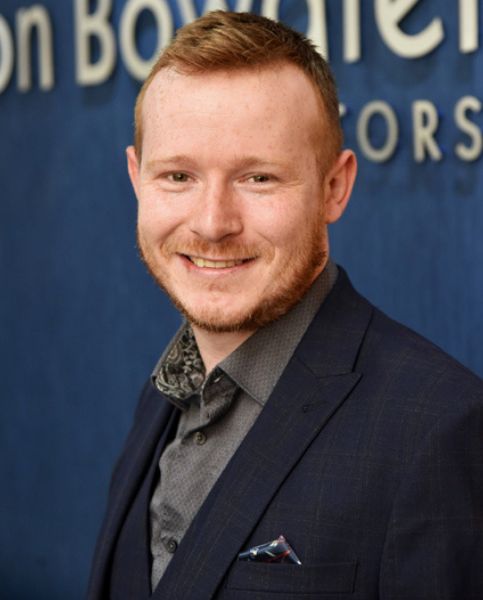




Last week, (7 to 13 September), was “Know Your Numbers” week which is the UK’s biggest blood pressure testing and a...

Eye Surgery.
Our Surgery Negligence specialists are here to guide you through the process for claiming compensation.

Suffering damage to your eyesight as a result of negligent medical care can be devastating, especially when you trusted your treatment would protect or improve your vision.
Whether caused by a misdiagnosis, surgical error, or poor aftercare, the consequences of negligent eye surgery can be life-changing. You may be coping with partial or total loss of vision, long-term pain, or the emotional trauma of adjusting to a new way of living. These outcomes can affect your work, independence, relationships, and mental wellbeing, often all at once.
At Lanyon Bowdler, we understand how serious and personal these experiences are. Our specialist team of Medical Negligence Solicitors has helped many clients recover compensation for negligent ophthalmic care, including laser eye surgery errors, missed diagnoses of eye disease, and damage caused by incorrect procedures. We combine expert legal advice with compassion and clarity, supporting you through every stage of your Eye Surgery Negligence Claim.
If your vision has been harmed due to substandard care, we’re here to help you move forward with answers, support, and the dedication you deserve.

If you suspect that you are a victim of eye surgery negligence, there are a number of steps you can take. These steps include speaking to another medical professional and gathering any documentation related to the care you have received, in order to determine the presence of negligence.
If there is sufficient evidence to support your medical negligence eye claim, a specialist medical negligence solicitor can help you to put together a strong case and seek compensation for your injuries, as well as justice for the way you have been treated.
At Lanyon Bowdler, we provide a compassionate and supportive approach to your ophthalmology negligence claim. Our team of specialised medical negligence solicitors possesses the necessary knowledge and expertise to ensure that your medical negligence compensation claim is successful. We can offer our guidance on a No Win No Fee basis, additionally, we offer ongoing support as you navigate life following ophthalmology negligence. As well as assisting you in securing the compensation you are entitled to, we can facilitate access to private medical treatments and therapies to help you continue with your life following ophthalmology negligence.
We take pride in taking the time to understand your unique circumstances and the challenges faced by you and your loved ones. Clients choose to entrust us with their cases due to our client-focused approach, and our supportive, approachable, and professional manner. Furthermore, our comprehensive approach has earned us prestigious accreditations from both The Legal 500 and Chambers UK, underscoring our commitment to excellence in legal representation.
If you’d like to find out more about how we can help you to seek justice after negligent ophthalmological treatment, please don’t hesitate to contact us.
The Medical Negligence Team is recognised in Tier 1 for the West Midlands in the 2026 edition of Legal 500. A testimonial reads “The clinical negligence team at Lanyon Bowdler are committed, passionate, compassionate and caring. They take time to fully understand their client’s needs and wishes and provide the necessary support and care to holistically manage their client’s case.”
Chambers UK 2026 rank the department in Band 1 in the Midlands and state “an impressive practice group with a growing presence across the West Midlands. The team offers specialist advice across the full gamut of clinical negligence mandates, with particular experience in cases of surgical error, delayed diagnosis and failure to supervise those at risk of suicide. The firm is additionally skilled in cases relating to post-surgical negligence, brain injury and fatal claims.”

Very efficient and lucid explanations. Very caring attitude. Had utmost confidence in all the people who dealt with me.
The team were phenomenal! Compassionate and understanding and got us the result we wanted. Can’t thank them enough for all of their hard work. Would highly recommend.
The team at Lanyon Bowdler have been nothing but highly professional, supportive, understanding and have excellent communication skills.
Navigating medical negligence is exhausting, but having a firm that combines rigorous professional standards with genuine heart made all the difference. We are so grateful for their dedication to justice for our family.
From our very first meeting, it was clear that we were in capable and caring hands. This was a deeply delicate and complicated case involving significant suffering for both the individual and our entire family.
The solicitors were brilliant and I was happy with the outcome of the claim.
…(the positive outcome) was down to the professionalism and competency of the Lanyon Bowdler team, and we will be forever grateful.
You have been exceptional in managing my expectations and explaining the processes to me. You have managed to navigate the very difficult and emotional turmoil that I have experienced during the course of this process.
I could not have asked for a more sensitive and thorough approach. I am grateful to you for securing the outcome that we sought, but more than that I am thankful to you for the kindness that you have shown to me.
From the first contact, the team at Lanyon Bowdler gave a fast & efficient service. They were very friendly & gave me the confidence that I had found the right solicitors. The advice given & the fast responses were beyond my expectations. The matter was resolved in no time at all.
I contacted Lanyon Bowdler for advice on a Welsh Redress offer I received after a recent never event incident that happened during my ectopic pregnancy procedure. The advice and service I received from the very first phone call was fantastic. The advice and information from Emma Hart was clear and her approach was professional while being in a friendly manor. I was kept fully aware of what was happening and I am so thankful to her for sorting everything so quick and easy on my behalf. Her service was truly amazing.
Was satisfied with the work they’ve done for my family, my experience with them all was very good and welcoming thank you all involved.
Communication was second to none. Thank you.
Since dealing with Lanyon Bowdler they have been diligent, efficient and at all times very helpful along with being structured in dealing with matters, fees and clarity on all levels. Thank you.
I was clearly informed of progress step by step. The service you provided was very good.
All work carried out effectively and efficiently.
An excellent service with solicitors that you can talk to and who give you a clear understanding of all necessary legal implications and interpretations.
From start to finish we had excellent service. Friendly, approachable and professional.
Very clear, concise advice and guidance, easy to understand.
Over the last seven years I have been represented by Lanyon Bowdler in a clinical negligence case. Throughout this time, I put my complete trust in the firm and they did not let me down.
My solicitor kept me informed on everything in the five years that it took to have a successful claim.
Good service provided throughout with clear communication throughout with all options explored.
I can thoroughly recommend the highly professional and supportive service received over the last few months.
Responsive, supportive, approachable, clear and empathetic.
Professional and prompt communication. Supportive and client focused.
Whenever I have had need to contact Lanyon Bowdler I have always received a fast, concise and friendly response.
Definitely would use Lanyon Bowdler again if I need the use of a solicitor.
Smooth and efficient service from very professional firm.
We were particularly impressed with the quality of work, the speed and excellent communication.
Very friendly and approachable. Very good advice
Great Service; Lanyon Bowdler were excellent from the outset. Straightforward and easy process. I just sat back and waited.
Our first experience with a medical claim has been made that much more painless by the clear and consistent advice provided to date, thank you.
Everything has been professional, efficient and courteous throughout and we are very pleased, both with the service and with the eventual outcome of our case. Everything was first class and exceeded our expectations. Thank you again for providing such splendid service. It is really appreciated.
If you have experienced any kind of ophthalmologic negligence which has caused you to suffer undue harm, we can help you to seek the justice and compensation you are entitled to. Please don’t hesitate to contact our expert medical negligence solicitors to find out how we can help you.
An ophthalmologist treats a wide range of eye and vision conditions, including:
In addition to treating these conditions, ophthalmologists also perform eye surgeries, manage chronic eye diseases, and provide preventive care to help patients to maintain overall eye health.
Ophthalmology negligence can have serious, and sometimes irreversible, consequences for a patient’s eye health and vision, including:
Some of the signs and symptoms that may indicate ophthalmology negligence include:
Ophthalmology negligence refers to a breach of the duty of care by an ophthalmologist which results in harm to a patient. Negligence involves actions or omissions which deviate from the accepted standard of care in the field of ophthalmology, and in order for negligence to be established, certain elements must be proven. We must be able to show that the ophthalmologist owed the patient a duty of care, that they breached their duty, that this breach caused harm, and that the patient suffered as a result.
In England and Wales, you are typically afforded three years to bring an ophthalmology negligence claim. This three-year time-limit, known as the limitation period, begins from either the date of the negligent act, or the date on which you became aware of the negligence. There are a number of exceptions to the three year limitation period – if the claimant was under 18 at the time of the negligence, the three year period does not begin until the date of their 18th birthday. The limitation also does not apply to patients who lack the mental capacity for making legal decisions, and the court has the discretion to allow a claim to be brought outside the normal limitation period if it deems it just and equitable to do so.
At Lanyon Bowdler, we understand the devastating impact eye surgery negligence can have on your life. Our team is set apart by our specialist expertise, compassionate support, commitment to maximising your compensation, and our “no nonsense” approach to your claim.
Our medical negligence solicitors have extensive experience handling medical negligence eye claims and possess a deep understanding of eye care standards. We recognise the emotional distress caused by vision loss and offer a supportive and understanding environment throughout the claims process.
Our lawyers specialise in all forms of Surgical Negligence Claims. If you feel that you or a family member has been treated negligently and has come to harm or their health has suffered following treatment in the operating theatre, then it is very likely you are entitled to make a claim for compensation. Get in touch to see how our Medical Negligence Solicitors can help you get the justice and compensation you deserve. There is no obligation you or any charges for our initial assessment.
We are a Law Firm in Wales, who has offices located in Shrewsbury, Telford, Oswestry, Ludlow, Hereford and Conwy, so are able to act for clients all over Shropshire, Herefordshire, Mid and North Wales and across the Midlands (including Wolverhampton & Birmingham). No matter where you live in England or Wales, our expert team is here to support your diabetes compensation claim.
 Blog
Blog
 Blog
Blog
Blog
Blog
Blog
Blog
Blog
Blog
Blog
Blog
Blog
Blog
Blog
Blog
Blog
Blog
Blog
Blog
Blog
Blog
 Blog
Blog






"*" indicates required fields