
 Back
Back


Our Retained Foreign Object Claims experts help those affected by surgical errors with expertise and compassion.



















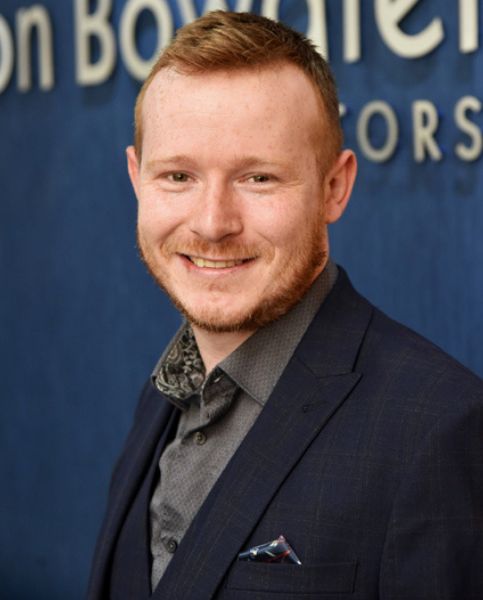




July is Sarcoma Awareness Month, making it an important time to reflect on the vital role that awareness plays in i...

Retained Foreign Objects.
Our Retained Foreign Object Claims experts help those affected by surgical errors with expertise and compassion.

Discovering that a surgical item has been left inside your body after an operation is a deeply distressing experience.
Many people describe a sense of disbelief that something so serious, so avoidable, could happen at all. What may begin as unexplained pain or signs of infection can quickly unravel into a frightening reality: that your surgery caused harm, rather than healing.
This type of mistake is known as a retained foreign object, and it is classified by the NHS as a “Never Event”, a term that reflects just how serious and preventable this form of negligence is. These incidents are not rare. In England alone, around two people each week are affected by this exact scenario. The consequences can be severe, often requiring further surgery, long-term health monitoring, and causing considerable emotional trauma. For some, the ongoing impact is as psychological as it is physical: a breakdown of trust, anxiety around future treatment, and the fear of being let down again.
At Lanyon Bowdler, we understand how overwhelming it can feel to face something like this. You expected to come out of surgery on the path to recovery, not to find yourself back in hospital, dealing with complications that should never have occurred. Our specialist medical negligence team is nationally recognised for handling retained foreign object claims, and we are here to ensure you receive the support and care you need to move forward.
We will take the time to understand your experience in full, helping you access compensation that can cover corrective treatment, lost earnings, psychological support, and other essential needs. Most importantly, we’ll make sure your story is heard and that what happened to you is taken seriously.
If you believe an avoidable mistake was made during your surgery, please contact us for a confidential, no-obligation conversation. You are not alone, and we’re here to help you take the next step.
To determine if you have a valid claim for a retained foreign body, you need to establish that a surgical error occurred and directly caused you harm. This involves demonstrating that a foreign object was unintentionally left inside your body due to a failure to follow established protocols, such as proper counting and verification of surgical items.
Additionally, you must show that this negligence resulted in physical or psychological damage, such as persistent pain, infection, or prolonged recovery. Reviewing your medical records, obtaining expert opinions, and documenting the impact on your health and well-being are crucial steps in confirming the validity of your claim.
Consulting with a medical negligence solicitor can provide a detailed assessment and help you understand if you have a strong case, so please don’t delay in contacting the expert medical negligence team here at Lanyon Bowdler.
Choosing Lanyon Bowdler to handle your retained foreign body compensation claim ensures you benefit from our specialist expertise and compassionate approach.
Our no win, no fee arrangement allows you to pursue justice without financial risk, while our strong advocacy and negotiation skills help achieve fair settlements.
Trust Lanyon Bowdler to provide the expert guidance and support you need to navigate your claim and obtain the compensation you deserve.
For more information about how we can help you, please don’t hesitate to contact us to speak to a friendly and helpful member of our medical negligence team today.
Our dedicated team of medical negligence solicitors has extensive experience in managing complex cases involving retained foreign bodies.
We are committed to securing the maximum compensation for your pain and suffering, backed by a proven track record of successful outcomes.
With a client-centric approach, we offer personalised legal representation and comprehensive support throughout the claims process.
A retained foreign body refers to any surgical instrument, sponge, or other object that is unintentionally left inside a patient’s body following a surgical procedure. This type of medical error, while rare, is a critical issue in healthcare that can lead to severe and sometimes life-threatening complications.
Examples of retained foreign bodies include:
The most common retained surgical item is a surgical sponge or gauze. These items are frequently used during surgeries to absorb blood and fluids. Due to their soft and compressible nature, they can be inadvertently left inside the patient’s body if proper counting and accounting procedures are not strictly followed. Surgical sponges are often large enough to cause significant issues if retained, including infection, pain, and the need for additional surgical procedures to remove them.
Retained foreign bodies can arise from several factors, such as inadequate surgical protocols, i.e. surgical teams may not adhere to established protocols for counting and verifying all items used during a procedure, and sponges or surgical instruments might not be accurately tallied before the patient is closed up, which can result in an object being left inside the body. Ineffective communication amongst surgical team members can lead to misunderstandings or lack of clarity regarding the instruments or materials used, which can lead to items being inadvertently overlooked.
Distraction or fatigue can also contribute to foreign bodies being retained after surgery. For example, surgeons and operating room staff working under high stress or experiencing fatigue may inadvertently make errors, such as forgetting to account for all items or failing to perform thorough checks, which increases the risk of leaving a foreign body inside the patient. New or less experienced staff may not fully adhere to safety protocols, and insufficient training or supervision can result in oversights in the counting and management of surgical tools or materials, leading to potential retention of foreign objects.
The symptoms of a retained foreign body can vary widely depending on the object’s location and nature. Common signs include persistent pain and discomfort at or near the surgical site, swelling, redness, and inflammation. Patients might also experience abnormal discharge, fever, or systemic symptoms such as unexplained fatigue or general malaise. In some cases, there may be visible signs of infection, such as increased warmth, tenderness, or a foul odour. Depending on the object’s location, patients might face difficulties in movement or function, gastrointestinal issues like nausea or vomiting, and even unexplained weight loss.
Imaging studies, such as X-rays or CT scans, can sometimes reveal the presence of a retained foreign body, especially if symptoms are not immediately apparent. If you experience any of these symptoms after a surgical procedure, it is crucial to seek medical attention promptly to address the issue and mitigate potential complications.
A retained foreign body poses several significant risks that can impact a patient’s health and wellbeing. One of the most serious concerns is the development of infections, which can range from localised abscesses to severe systemic infections like sepsis.
The object can also cause internal damage to organs, tissues, or blood vessels, potentially leading to further complications and requiring additional surgeries. In cases where the foreign body causes obstruction in the gastrointestinal or urinary tract, short or long term internal damage can lead to symptoms such as nausea, vomiting, and difficulty with bowel movements or urination. The psychological impact of a retained foreign body can also be significant, leading to anxiety, depression, PTSD, and a loss of trust in medical care.
If medical professionals or the hospital deny responsibility for a retained foreign body, it’s essential to have a skilled medical negligence solicitor to advocate on your behalf. We will gather and analyse evidence, including medical records and expert testimonies, to build a compelling case that proves negligence and the direct link to the harm you’ve suffered.
We will handle negotiations with the opposing party and, if necessary, take the case to court to ensure that your claim is thoroughly examined and justly resolved. Persistent denial from the healthcare provider does not preclude you from seeking compensation; instead, it emphasises the need for rigorous legal representation to challenge and address their denial effectively.
The claim should be initially brought about within three years of the date of the incident, or three years from the date on which you first discovered the issue.
The length of the claims process can vary greatly, from a few months to longer periods if the case goes to court, depending on the complexity and the cooperation of the involved parties.
While many claims are settled out of court through negotiation or mediation, some may require a formal court hearing if a fair settlement cannot be achieved. We are able to operate on a no win, no fee basis, meaning you won’t incur legal fees unless you win your case, which means you are able to pursue legal action without the added stress of financial worries on top of the suffering you have already endured.


Very efficient and lucid explanations. Very caring attitude. Had utmost confidence in all the people who dealt with me.
The team were phenomenal! Compassionate and understanding and got us the result we wanted. Can’t thank them enough for all of their hard work. Would highly recommend.
The team at Lanyon Bowdler have been nothing but highly professional, supportive, understanding and have excellent communication skills.
Navigating medical negligence is exhausting, but having a firm that combines rigorous professional standards with genuine heart made all the difference. We are so grateful for their dedication to justice for our family.
From our very first meeting, it was clear that we were in capable and caring hands. This was a deeply delicate and complicated case involving significant suffering for both the individual and our entire family.
The solicitors were brilliant and I was happy with the outcome of the claim.
…(the positive outcome) was down to the professionalism and competency of the Lanyon Bowdler team, and we will be forever grateful.
You have been exceptional in managing my expectations and explaining the processes to me. You have managed to navigate the very difficult and emotional turmoil that I have experienced during the course of this process.
I could not have asked for a more sensitive and thorough approach. I am grateful to you for securing the outcome that we sought, but more than that I am thankful to you for the kindness that you have shown to me.
From the first contact, the team at Lanyon Bowdler gave a fast & efficient service. They were very friendly & gave me the confidence that I had found the right solicitors. The advice given & the fast responses were beyond my expectations. The matter was resolved in no time at all.
I contacted Lanyon Bowdler for advice on a Welsh Redress offer I received after a recent never event incident that happened during my ectopic pregnancy procedure. The advice and service I received from the very first phone call was fantastic. The advice and information from Emma Hart was clear and her approach was professional while being in a friendly manor. I was kept fully aware of what was happening and I am so thankful to her for sorting everything so quick and easy on my behalf. Her service was truly amazing.
Was satisfied with the work they’ve done for my family, my experience with them all was very good and welcoming thank you all involved.
Communication was second to none. Thank you.
Since dealing with Lanyon Bowdler they have been diligent, efficient and at all times very helpful along with being structured in dealing with matters, fees and clarity on all levels. Thank you.
I was clearly informed of progress step by step. The service you provided was very good.
All work carried out effectively and efficiently.
An excellent service with solicitors that you can talk to and who give you a clear understanding of all necessary legal implications and interpretations.
From start to finish we had excellent service. Friendly, approachable and professional.
Very clear, concise advice and guidance, easy to understand.
Over the last seven years I have been represented by Lanyon Bowdler in a clinical negligence case. Throughout this time, I put my complete trust in the firm and they did not let me down.
My solicitor kept me informed on everything in the five years that it took to have a successful claim.
Good service provided throughout with clear communication throughout with all options explored.
I can thoroughly recommend the highly professional and supportive service received over the last few months.
Responsive, supportive, approachable, clear and empathetic.
Professional and prompt communication. Supportive and client focused.
Whenever I have had need to contact Lanyon Bowdler I have always received a fast, concise and friendly response.
Definitely would use Lanyon Bowdler again if I need the use of a solicitor.
Smooth and efficient service from very professional firm.
We were particularly impressed with the quality of work, the speed and excellent communication.
Very friendly and approachable. Very good advice
Great Service; Lanyon Bowdler were excellent from the outset. Straightforward and easy process. I just sat back and waited.
Our first experience with a medical claim has been made that much more painless by the clear and consistent advice provided to date, thank you.
Everything has been professional, efficient and courteous throughout and we are very pleased, both with the service and with the eventual outcome of our case. Everything was first class and exceeded our expectations. Thank you again for providing such splendid service. It is really appreciated.
If you or a loved one has suffered due to a error in which a Surgical Object was left inside your body after an operation, you may be entitled to make a Retained Foreign Object Claim.
Our expert Retained Foreign Object Claims specialists are among the leading specialists in handling and winning medical negligence compensation claims across England and Wales. We are dedicated to securing the best possible outcome for you, ensuring that you receive the support, treatment, and compensation needed to aid your recovery. At Lanyon Bowdler, we take pride in being a friendly and approachable law firm. Our specialist Retained Foreign Object Claims team have extensive experience in dealing with complex surgery negligence claims and are here to listen, advise, and guide you through the claims process with care and understanding.
By choosing Lanyon Bowdler, you can rest assured that you have the best legal expertise on your side. Our Retained Surgical Object Claims experts are award-winning and have supported countless individuals through challenging times. We are committed to delivering exceptional client care, working closely and considerately with you to achieve the best possible outcome and help you move forward with your life.
With offices in Shrewsbury, Conwy, Hereford, Ludlow, Oswestry, and Telford, we are well-placed to assist clients throughout Shropshire, Herefordshire, Mid and North Wales. Our specialists regularly act for individuals across the Midlands, and our reputation and experience make us the leader Retained Foreign Object Claims in Birmingham, Wolverhampton, and Worcester. As a full-service law firm with some of the most experienced medical negligence lawyers in the country, we can represent you no matter where you live in England or Wales.
Get in touch. We listen and we care.
 Blog
Blog
 Blog
Blog
Blog
Blog
Blog
Blog
Blog
Blog
Blog
Blog
Blog
Blog
Blog
Blog
Blog
Blog
Blog
Blog
 Blog
Blog
Blog
Blog







"*" indicates required fields