
 Back
Back


About this episode
Exploring the Rural Leadership Programme
In this episode of Grounded in Agriculture, host Brian interviews Katie Baker about her recent selection for the Royal Welsh Agricultural Society’s Rural Leadership Programme for 2026 – 2027. Katie shares her unique connection to agriculture, her motivations for applying, and the significance of this opportunity in shaping her understanding of the sector.
The conversation delves into the programme’s structure, the application process, and the diverse backgrounds of the cohort members. Katie reflects on the importance of collaboration in addressing agricultural challenges and highlights her aspirations to contribute positively to the future of Welsh agriculture.


In this episode
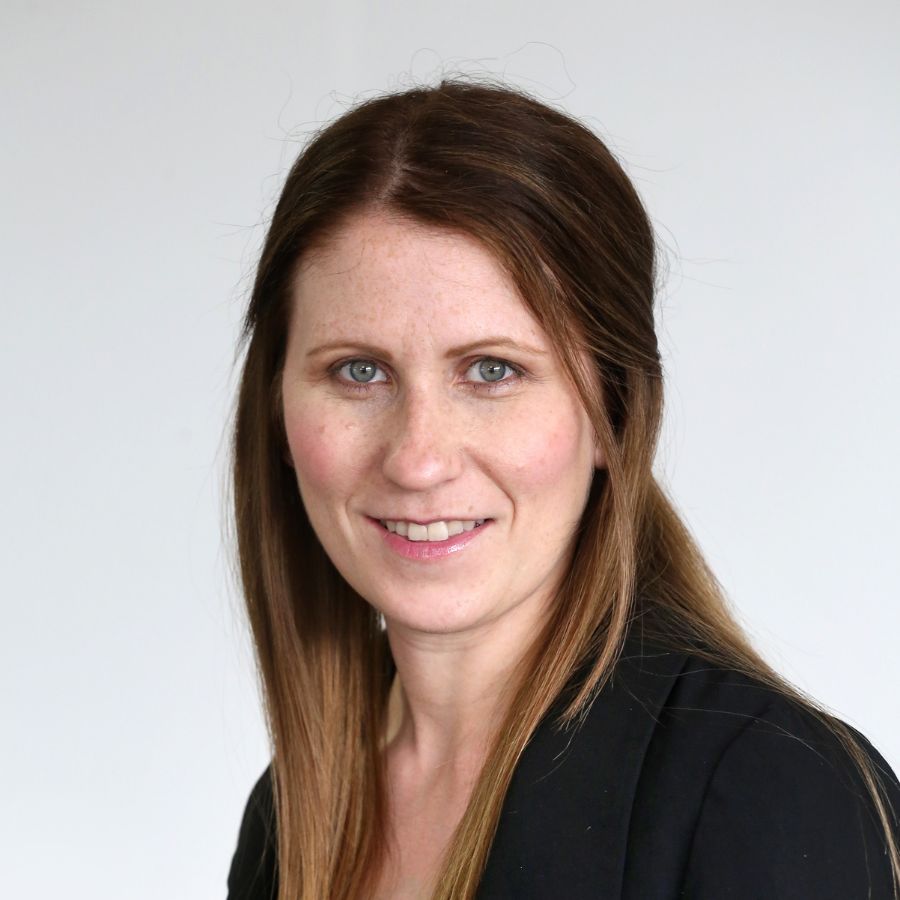
Katie Baker
Katie is a fluent Welsh speaker and understands the importance of providing clients with a professional service in their native language. She also has a sound knowledge of the North Wales coast and the issues that frequently affect her clients within that area.
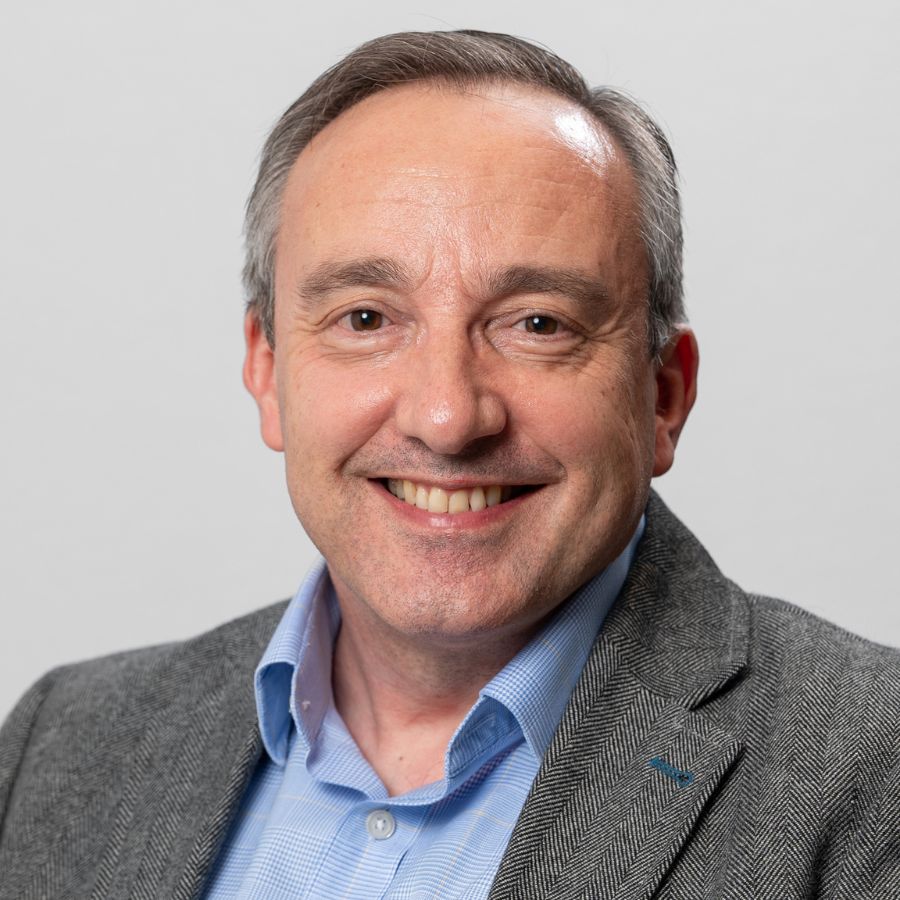
Brian Evans
In his present role Brian is responsible for the management of the practice, assisted by an enthusiastic and dedicated team of professional managers.
He also offers the firm’s Dispute Resolution Department the benefit of his wealth of experience in the field of litigation and dispute resolution.
Brian is a CEDR Accredited Mediator and continues with his mediation practice alongside his management role.
Podcast transcription
[00:00:00 – 00:00:11] Introducer: This is the legal lounge from Lanyon Bowdler solicitors where you’ll hear about many aspects of law in England and Wales with special guests, industry experts and local charities.
[00:00:10 – 00:01:04] Katie: Welcome to Grounded in Agriculture, the show uncovering the often unseen connections between agriculture and the industries it feeds, fuels and shapes.
[00:01:04 – 00:01:11] Brian: so I want to start off by just asking you a little bit about yourself and what connections you’ve got to agriculture
[00:01:10 – 00:01:36] Katie: Yeah, my connection to agriculture is probably vastly different from most people who are involved in agriculture. So I don’t live on a farm. I’m not growing up on a farm. I’m not involved in day-to-day farming. I do have a little bit of experience when I was very, very young. My great aunt was a tenant farmer. When I was fairly young, I’ve still got memories of the experiences of lambing and riding in the trailer of the tractor and things like that.
[00:01:35 – 00:01:55] Katie: the farm which she was a tenant of is a stone’s throw from my house. So that’s quite nice. I actually live in the house that she retired to. There is a connection there, albeit loose. And so consequently, I think I’ve always had an interest in agriculture. It’s just not always been an obvious. link Mm and
[00:01:54 – 00:01:55] Brian: -hmm,
[00:01:54 – 00:02:03] Katie: then since working in agriculture because much of our work has a agricultural connection there was an interest developed quite early on and
[00:02:02 – 00:02:04] Brian: mm-hmm, yeah.
[00:02:03 – 00:02:22] Katie: I’ve been fortunate that over the years that I’ve been here more of my work seems to have creeped into agriculture and I think that’s largely down to being based in the Conwy office and Ed Nutting and his experience and his connections. That sort of whet my appetite and consequently I pursued that a little bit more.
[00:02:21 – 00:02:29] Brian: Yeah. And you get often quite interesting litigation cases coming out of farming sector in one way or another.
[00:02:29 – 00:02:30] Katie: Yes.
[00:02:29 – 00:02:30] Brian: Yeah.
[00:02:29 – 00:02:45] Katie: Yeah, you do. It’s very diverse agriculture and the type of disputes that come up, which is obviously the line of work that I deal in, makes for a very interesting day and a little bit daunting at times because it’s so vast. Perhaps they’re such a lot to get
[00:02:44 – 00:02:45] Brian: Yeah.
[00:02:44 – 00:02:48] Katie: to grips with, but yeah, definitely keeps things interesting.
[00:02:48 – 00:02:58] Brian: Good. So the real thing I wanted to talk to you about today was the fact that you’ve been successful in obtaining a place on the RWS Rural Leadership Programme. So congratulations.
[00:02:58 – 00:02:59] Katie: Thank you.
[00:02:59 – 00:03:04] Brian: For those that don’t know, tell us what is the RWA S to start with.
[00:03:03 – 00:03:29] Katie: Right, so the Royal Welsh Agricultural Society is a charitable organisation. They do much to promote and further rural and farming communities, environment conservation, promoting agriculture, improving and putting it front and centre really, obviously particularly in Wales. They have two main events. I mean most people will of known about the Royal Welsh agricultural show in July but they do also do a winter fair which is growing each year and becoming very very popular I mean the Royal Welsh Show really is the sort of the jewel in the crown an awful lot of media coverage very prestigious um
[00:03:43 – 00:03:47] Brian: And one of the biggest agriculture shows in Europe, I think,
[00:03:46 – 00:03:47] Katie: yes
[00:03:46 – 00:03:48] Brian: but yeah.
[00:03:47 – 00:03:59] Katie: yeah it does an awful lot of work for promoting agriculture in Wales and it also does has developed leadership and steers really direction and respective agriculture’s future,
[00:03:58 – 00:03:59] Brian: Mm
[00:03:58 – 00:04:00] Katie: which
[00:03:59 – 00:04:00] Brian: -hmm.
[00:03:59 – 00:04:01] Katie: is all very exciting.
[00:04:00 – 00:04:04] Brian: So tell me about this leadership programme. What is that?
[00:04:03 – 00:04:23] Katie: So the Royal Welsh Agricultural Society operates a rural leadership programme whereby each year 12 people across Wales are selected and the aim being that those people will be prepared. for a leadership role in some way, however that may look,
[00:04:22 – 00:04:23] Brian: Yeah.
[00:04:22 – 00:04:43] Katie: because that can come in lots of different manners in Wales. So they’re looking to build leaders and people who are going to sort of direct agriculture going forward, look at the challenges, look at the opportunities and really steer things. But it’s important to say that they are not just looking for farmers and of the cohort that I’m in that’s abundantly clear. And I think that’s quite refreshing because I think we often think of agriculture as just being farming,
[00:04:49 – 00:04:50] Brian: Yes.
[00:04:49 – 00:05:04] Katie: whereas one of the main reasons for this podcast is actually to highlight the fact that agriculture touches so much of our world in so many different ways. And I think it’s nice that they recognise that you need leaders in different areas of agriculture in order to move things forward.
[00:05:03 – 00:05:07] Brian: Yeah. So what motivated you to apply for this programme?
[00:05:06 – 00:05:09] Katie: I, as a dispute resolution lawyer see a lot of problems and spend a lot of time trying to resolve them or dig people out of problems or trying to make a situation better or generate a better outcome for a client. Whilst sometimes that is created by personal circumstances, disputes can arise for a variety of reasons. I think in this profession you also see where policy is creating problems for
[00:05:34 – 00:05:36] Brian: Okay.
[00:05:35 – 00:05:41] Katie: those in agriculture. I wanted to be more connected with other professionals in agriculture
[00:05:40 – 00:05:41] Brian: Yeah.
[00:05:40 – 00:06:06] Katie: to sort of understand other people’s viewpoints, but also hopefully in the future steer changes at a higher level in the hope. I hope that some of the problems, as I said, we can’t resolve every problem. There will always be disputes, but where they are arising from policy changes or new regulations, trying to assist in changing that because policy and regulation shouldn’t be causing difficulties
[00:06:05 – 00:06:06] Brian: Yeah.
[00:06:05 – 00:06:09] Katie: for those in agriculture is my view anyway.
[00:06:08 – 00:06:17] Brian: And so you say that there are 12 of these or 12 people on this leadership programme that’s a fairly small number
[00:06:16 – 00:06:24] Brian: when it comes to um you know those involved in agriculture in Wales so presumably competition’s pretty fierce to get one of these places
[00:06:23 – 00:06:26] Katie: certainly felt like that.
[00:06:25 – 00:06:30] Brian: so what was the application process what did you have to go through to be selected
[00:06:29 – 00:07:08] Katie: So I had to submit a written application. I felt that the written application was actually quite short and I think there’s quite a bit of skill to getting across your enthusiasm and everything else in such a short. application form and that was very much looking at the challenges facing agriculture opportunities and things like that I don’t know how many people applied because that’s not information that they share but I do know that I was invited to a selection day at the end of April and there were 26 of us there for only 12 places there’s a bit of a strange situation being a room when you know that more than 50 50% of the room is not going to be successful.
[00:07:07 – 00:07:08] Brian: yeah
[00:07:07 – 00:07:30] Katie: But it was a really well-structured day. There was an interview, but there was also a group task. So we were split into two groups. I don’t want to give away too much in case people apply in future, but you’re given a task and you work together on that task. So yes, it is about assessing you as an individual, what you can bring, your views, but also they are very much looking at how you work together with other people.
[00:07:29 – 00:07:31] Brian: that’s interesting
[00:07:30 – 00:07:40] Katie: you know, the emphasis sort of being on if changes are going to happen, they generally work when people are collaborating together rather than one person just steering the way.
[00:07:39 – 00:07:45] Brian: So you did that selection day and you were successful. How did you feel when you found out you’d been accepted?
[00:07:44 – 00:08:10] Katie: I cried. I had when I’d got home because it was down at the Royal Showground. So I had a long drive home to think about it and I’d sort of resigned myself to the fact that it was a wonderful experience but there was no way I was getting one of the places and so when I got home I actually wrote an email ready for when they told me the next day that I was rejected sort of saying thank you very much
[00:08:09 – 00:08:11] Brian: The opportunity,
[00:08:11 – 00:08:28] Katie: wonderful because I thought I wouldn’t be in the right frame of mind when they told me I hadn’t got it so I had it all prepped and so it sort of caught me off guard then when I got a phone call to say I thought I haven’t drafted one of those emails It was lovely. Yeah, when Alison called at the end was like, so I take it you do accept that?
[00:08:27 – 00:08:28] Brian: yeah
[00:08:27 – 00:08:32] Katie: It was right in between my blubberings. And yes, delighted really.
[00:08:31 – 00:08:37] Brian: that’s great and so how long is the programme last and how is it structured and what what do you do okay
[00:08:36 – 00:08:50] Katie: So it’s for the year. So we’ve already done three residential placements. We’ve already done the first one that took place in May. The next one will be in September and then there is one final one. on in January.
[00:08:50 – 00:09:47] Katie: they are three-day placements and they’re dotted about in various places. So we don’t currently know where the September one is going to be. That’s still being worked out. The final one in January will be between London and Cardiff because it will generally involve going to Parliament or the Senate. So sort of the culmination really. The one we did in May was down in… I was dating Glastonbury was in the West country and we went to the Royal Bath and Wells show on one of the days. But there was also a lot of leadership training involved as well. And that was very. cleverly crafted one of those trainings where you don’t really know that you’re being trained until you’re in the middle of it and you think oh but that was very much about building a tight-knit team making sure that we all trusted each other we all work together and by the end of that we came out I won’t divulge what it was but we came out with a plan as to what our legacy will be and so for the rest That’s of the workforce
[00:09:46 – 00:09:48] Brian: a pretty good
[00:09:47 – 00:09:51] Katie: as a group so that what what we want to achieve
[00:09:50 – 00:09:51] Brian: Yeah.
[00:09:50 – 00:10:13] Katie: and what we want to get out of this and you know we want our kids to eat and so we are now all working towards that which is quite exciting like I said it really came about in a strange way we stood up at that final day and had these discussions and I thought wow they did that really cleverly how did we get to this point but it’s nice it’s nice to have a focus and it’s nice I don’t really know what I expected of it but it’s yeah it’s nice to know there’ll be some kind of legacy
[00:10:12 – 00:10:34] Brian: And if as a group. The group you’re talking about that legacy now, so this is much more than just myself, just, but it’s important, but it is much more than individual leadership training. This is actually not just giving you skills as a leader, but actually creating a group, the purpose of which is partly to come up with something that’s going to drive Welsh agriculture forward after you’ve finished your year.
[00:10:33 – 00:10:55] Katie: Yeah, very much so. And the key to that is the fact that we all work together and we all trust each other, which, you know. You know, was obviously something that was big as after in the selection day. It’s something quite exciting. There is media training and there is, you know, leadership training along the way, but it’s nice that you also got something to show for it to those on the outside at the end as well.
[00:10:54 – 00:10:57] Brian: And what are you most excited about for the year?
[00:10:56 – 00:11:33] Katie: I mean, the trip to the Senate and Parliament will be very exciting, but just so far just the interaction might sound a little bit cheesy and I did say. they say the only thing that’s worthless that part of it is getting to know other people in the cohort people from different angles so some do farm some don’t some farm alongside their career you know there’s there’s lots of different walks of life different backgrounds and seeing different viewpoints because just because I see something one way because that’s how I see it in work it’s quite interesting to talk that through with people from other angles and so I didn’t think about it from
[00:11:32 – 00:11:33] Brian: Yeah.
[00:11:32 – 00:11:59] Katie: that angle because that’s not how I see it so yeah that’s quite exciting and you do actually gain a lot even during the downtime just from discussions that you have with with you with your co-workers that’s quite interesting and I’m also I should say I’m very lucky because as it happens I did already have a working relationship with one other member of cohort so Hale from Bailey’s and Partners was successful as well so that’s quite nice there’s a quite good bit of representation for North Wales actually which is lovely to see to see yeah
[00:11:58 – 00:12:00] Brian: Always good. Yeah,
[00:11:59 – 00:12:02] Katie: yeah absolutely. no
[00:12:01 – 00:12:06] Brian: Have there been any surprises along the way or has it very much been what you’ve expected so far?
[00:12:05 – 00:12:42] Katie: I think the main surprise was as long as if I’d blindly gone into this but getting to that third day of the residential and seeing how everything that we’ve been doing over the past couple of days was suddenly being pulled together in a very clever way that’s quite good and getting out there and meeting people not just for co-op but when we were at the Bath and West we were given a task to go out and to and to do something that worked towards towards this long-term aim and so that I’m able to get to know businesses and things like that which is really lovely it’s not something you always get to do day to day or when I get to do it it’s never really because somebody’s got problems so it’s nice to then see people and have a chat without there being a problem to resolve as well
[00:12:41 – 00:12:46] Brian: Do you think it’s changed you or going to change you in any way?
[00:12:45 – 00:13:24] Katie: I don’t necessarily think it’s changed me yeah I’d like to think that at the end of it I’ll have a clearer picture of things that need tackling, I’ll have a good strong network of people that I’ll be able to call on and to hopefully help us to continue to promote Welsh agriculture but also hopefully improve it based on what is needed and I do think it would give someone coming across as quite confident that in circumstances like agriculture where very much feel an outsider a lot. a lot of the time I’m hoping it’ll make me feel a bit more embedded in that sector such that I’m able to contribute in some way.
[00:13:23 – 00:13:29] Brian: And how do you hope to be able to contribute to the sector more in the future as a result of this?
[00:13:28 – 00:14:22] Katie: My hope very much depends I suppose on on how things go with the course and and the aims that we have. I think one of the things I’d like to do is very much an extension of this podcast which is to again highlight just how much on microculture touches every aspect of life and brings many people into agriculture and make people realise that policy changes that affect agriculture have an impact on everybody because you would argue like food security which is really highlighted by things that are in the news at the moment and things like that and obviously there’s a lot of emphasis on an environment challenges with avatars which we’ve talked about in in other podcasts I think it’s important to bring people from outside of agriculture into that and help them to see that. In the short term, certainly bringing maybe people from outside of agriculture in or at least giving them a lens in beyond that.
[00:14:21 – 00:14:28] Brian: So what do you think is the biggest misconception that people that aren’t involved in agriculture have about the sector?
[00:14:27 – 00:14:39] Katie: I don’t think people always realise how hard it is. I mean, things like Clarkson’s farm have gone some way to helping with things like that. It’s a 24-hour-a-day job.
[00:14:38 – 00:14:40] Brian: It’s not a job, it’s a life’s
[00:14:39 – 00:14:41] Katie: Well,
[00:14:40 – 00:14:41] Brian: commitment.
[00:14:40 – 00:14:41] Katie: it is a lot, yeah,
[00:14:40 – 00:14:41] Brian: yeah.
[00:14:40 – 00:14:41] Katie: it is.
[00:14:40 – 00:14:41] Brian: Yeah,
[00:14:40 – 00:14:41] Katie: Yeah, it’s
[00:14:40 – 00:14:42] Brian: absolutely.
[00:14:41 – 00:14:43] Katie: a way of living,
[00:14:42 – 00:14:43] Brian: Yes,
[00:14:42 – 00:14:44] Katie: isn’t it?
[00:14:43 – 00:14:44] Brian: yes.
[00:14:43 – 00:15:00] Katie: You are on call 24-7 quite often for very little money, a lot of uncertainty. There’s a lot of pressure on farmers to do things a certain way and a lot of funding depends on those sort of things. I saw something on
[00:15:00 – 00:15:11] Katie: which made a lot of their words sort of challenged wide a farm has received some sort of subsidy payments you know the rest of us don’t and I think you you’ve got to sort of connect people with wide
[00:15:11 – 00:15:36] Katie: because if you don’t have security for farmers then you don’t have food um so yeah there’s lots of things like that and a lot of them are coming to the forefront because of various debates and hot spots and things like that which is great but I think there’s still more more to be done. I still think there’s still a lot of people who potentially don’t live in a rural landscape who maybe don’t feel in any way connected to agriculture and we all are in one way or And another.
[00:15:35 – 00:15:46] Brian: you’re obviously doing your bit to get that message across in this podcast and in other ways, so that’s great. If someone was considering applying for this programme next year, what would you say to them?
[00:15:45 – 00:15:49] Katie: Definitely do it.
[00:15:48 – 00:15:49] Brian: Okay.
[00:15:48 – 00:16:40] Katie: but I just didn’t think. I didn’t think I was ready this year, to be honest, but I say it back then, I say it and I didn’t think. And I just sort of in my mind, I thought I was going to apply this year and give it a go, sort of what’s the worst that can happen. I definitely would because I’ve been in contact with a few people who weren’t successful and they still lived the experience and have got something out of it. And I know that some of them would be keen to apply again next year. I think it’s a great platform, but you’re being exposed to. people in agriculture who are who are currently shaping agriculture I mean obviously I’ll edge for the rural Welsh but Yes. as well because he’s obviously heavily involved but they are exposing you to to contacts and opportunities that you otherwise wouldn’t potentially be exposed to and I think if you should always push yourself out of your comfort zone as much as you can
[00:16:39 – 00:16:41] Brian: Definitely.
[00:16:41 – 00:16:46] Katie: and enjoy that because I did thoroughly enjoy the selection day regardless of the outcome
[00:16:45 – 00:16:47] Brian: Yeah, yeah.
[00:16:46 – 00:16:58] Katie: the email that I drafted confirming that I did very much enjoy it regardless and I did feel I learned a lot from that day which I don’t think you can normally say about a selection day I think You
[00:16:57 – 00:16:58] Brian: Yeah,
[00:16:57 – 00:16:58] Katie: know, I’m thrilled,
[00:16:57 – 00:16:58] Brian: to
[00:16:57 – 00:17:11] Katie: but I did, I did feel like I’d made connections. I’ve made friends that are people that I make contact through work, but yeah, obviously learn a lot as well. So yeah, definitely do it. It’s a set of connecting to leaves. So it’s well worth
[00:17:13 – 00:17:33] Brian: Yeah. So great. Well, really look forward to talking to you again, you know, in a few months time when you’re at the end of the programme and look forward to seeing how you go forward. Get forward with it and applying those skills in your work life and in promoting, you know, agricultural wealth generally. So anyway, Katie, thank you ever so much for talking to me today.
[00:17:32 – 00:17:37] Katie: thank you so much it’s not been as painful as I thought it would be no it’s uh I know
[00:17:36 – 00:17:39] Brian: Well, you’ve had your media training now.
[00:17:38 – 00:17:40] Katie: no not yet no
[00:17:39 – 00:17:40] Brian: Oh,
[00:17:39 – 00:17:41] Katie: not the
[00:17:40 – 00:17:41] Brian: OK,
[00:17:40 – 00:17:41] Katie: next session no
[00:17:40 – 00:17:41] Brian: right.
[00:17:40 – 00:17:41] Katie: but
[00:17:40 – 00:17:43] Brian: Well, you don’t need it, obviously.
[00:17:42 – 00:17:48] Katie: relinquishing control of the podcast was quite a thing but yeah it was no no it was lovely thank you so much
[00:17:47 – 00:17:49] Brian: Thank you. Bye.
[00:17:49 – 00:18:02] Amanda: If you have a legal issue you’d like me to put to our team to cover in an upcoming episode, please let me know by visiting lblaw.co.uk forward slash knowledge. That’s lblaw.co.uk forward slash knowledge.
[00:18:01 – 00:18:06] Introducer: That was the Legal Lounge from Lanyon Bowdler Solicitors.