
 Back


About this episode
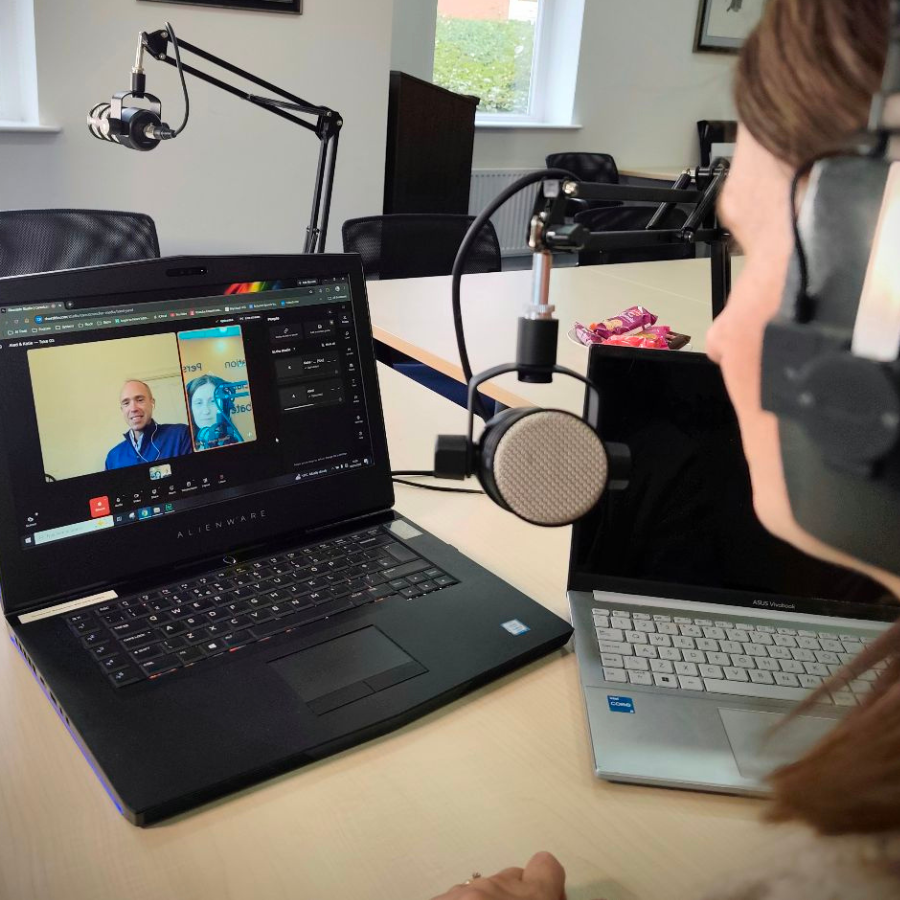
In this episode of Grounded in Agriculture, host Katie Baker speaks with Aled Jones, Chief Executive of the Royal Welsh Agricultural Society. Aled shares his journey from growing up on a hill farm in Carmarthenshire to leading one of Wales’ most significant agricultural organisations. He discusses the vital role agriculture plays in various industries and the importance of community engagement within the sector.
Aled elaborates on the Royal Welsh Agricultural Society’s objectives, including promoting food, farming, and agriculture through events like the Royal Welsh Show and the Winter Fair. He highlights the challenges and opportunities facing the organisation, as well as the need for continuous innovation to ensure the relevance of agriculture in today’s society.


In this episode
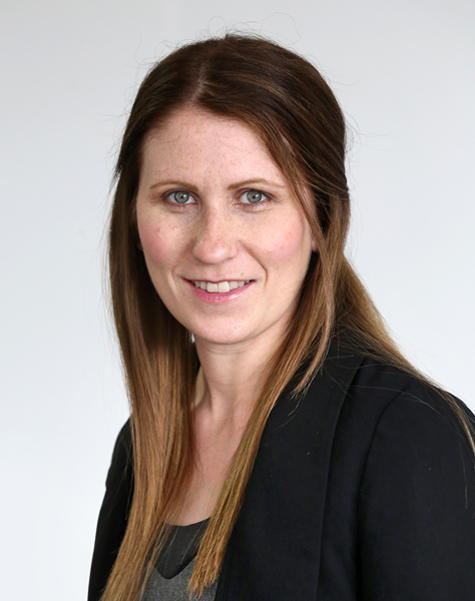
Katie Baker
Katie is a Recommended Lawyer in the 2026 edition of Legal 500 where she is noted for her work in agriculture & estates in Wales. She is a Fellow of ALA.
Aled Jones
Aled Jones is the Chief Executive of the Royal Welsh Agricultural Society. Aled grew up on a hill farm in Carmarthenshire and has built a career spanning rural surveying, agricultural valuation, broadcasting and agricultural leadership.
Podcast transcription
Part 1 [00:00:00]
Speaker mapping:
Introducer (Part 1 – Speaker 0) = diarization label A
Amanda (Part 1 – Speaker 1) = diarization label B
Katie (Part 1 – Speaker 2) = diarization label C
Aled (Part 1 – Speaker 3) = diarization label D
Aled (Part 1 – Speaker 4) = diarization label E
Part 1 – Speaker 5 = diarization label F
[00:00:10 – 00:01:10] Amanda: Welcome to Grounded in Agriculture, the show uncovering the often unseen connections between agriculture and the industries it feeds, fuels and shapes. From farming and food to manufacturing, retail and beyond, agriculture touches more of our world than we realise. I’m Katie Baker and each episode I sit down with the people running, building and working inside businesses connected to agriculture, some of whom we work alongside to explore how these links really work and why they matter. So today I’m joined by Aladris Jones, Chief Executive of the Royal Welsh Agricultural Society. Alid grew up on a hill farm in Carmarthenshire and has built a career spanning rural surveying, agricultural valuation, broadcasting and agricultural leadership. He became the Chief Executive of the Royal Welsh in 2022, having previously been Deputy, and today leads the society behind two of Wales’ biggest agricultural events, the Royal Welsh Show and the Winter Fair, as well as its wider work. The work supporting agriculture and the rural communities across Wales.
[00:01:11 – 00:01:14] Katie: Chris Alette, diolch am y munud y fyny heddiwr. Diolch yn fawr iawn i ni.
[00:01:14 – 00:01:18] Katie: Where did you grow up and what was life like for you growing up on a hill farm?
[00:01:17 – 00:02:22] Aled: So I grew up on our family’s farm in an area called Curtecadna, which is in North Carmarthenshire, quite a remote rural community. So myself, my sister and my parents were farming there. When we were growing up, actually, we were a dairy farm. So although we were a hill farm and we were in an area sort of the southern tip of the Canberra Mountains. We were milking cows alongside a substantial sheep flock. And I think back at the time we finished milking now for well over 20 years, but at the time we were considered to be one of the highest dairy farms in Carmarthenshire. And Carmarthenshire is known for dairy farming, but Curtis Cabnot isn’t really that known for dairy farming and there’s no dairy farming there now. But yeah, we ran a successful… there he heard for a number of years and today my parents still farm there they’ve got a beef and sheep enterprise although they’ve scaled back somewhat because myself and my sister we’ve gone and done careers off farm which I’m sure we’ll come to but yeah no it was a very happy childhood and yeah a very strong Welsh speaking community too
[00:02:21 – 00:02:28] Katie: What do you remember about that time? Were you quite hands-on? You had hands-on experience? Were you getting involved day to day?
[00:02:27 – 00:02:28] Aled: A.
[00:02:27 – 00:03:15] Aled: yeah well there was no choice there was there was no choice uh yeah so very hands-on clearly if you’re being brought up on a farm everybody pitches in don’t they and particularly at key times of the year whether it’s lambing or harvesting um you know i was doing the milking when i was quite young as well my parents had to go away and and so yeah we’ve got involved with a bit of everything really which is which is nice uh and i think a lot of other farming families would be much the same The length and breadth of Wales, so you get stuck in. And we were in a community in other groups of friends I had, the social groups I had, they were all farmers mainly and I was a keen active member of the Fringothian farmers. So that’s been a big part of my development, but yeah, wonderful community and yeah, very hands-on.
[00:03:14 – 00:03:20] Katie: Was agriculture therefore something that you naturally gravitated towards? I mean, you obviously were immersed.
[00:03:19 – 00:03:26] Katie: first in it from a very young age or did you sort of have other ambitions at that point that you wanted to escape the farm life?
[00:03:26 – 00:04:14] Aled: The tried and tested sort of route and career path would be to follow in my father’s footsteps and explore running the business and becoming more involved in the farm. So the farm has been in the family for several generations. My father is the third generation to farm at Tishoyd in Kurtakudna. So that was always an opportunity. But I guess from a young age, myself and my sister, we were encouraged to seek off-farm opportunities and we were always encouraged by my parents to think, well, get qualified in whatever field you want to be qualified in. I later became a qualified charter surveyor, my sister’s now a chartered accountant. So we always had other professions that we can explore and the farm would always be there as a fallback if we wanted. want to do at some point in the future. So agriculture was the obvious choice, but
[00:04:13 – 00:04:15] Aled: Yeah.
[00:04:14 – 00:04:28] Aled: we were encouraged to think more broadly than that really. But agriculture farming has been a strong thread throughout my whole career, although I don’t do much hands-on farming anymore, but it’s still been a very big part of my life.
[00:04:27 – 00:04:35] Katie: Was there anybody in your life that early on influenced your sort of career path or your the direction you took?
[00:04:34 – 00:04:37] Katie: took within the agricultural sector.
[00:04:36 – 00:05:29] Aled: I wouldn’t say there was a single person. I think the YFC movement certainly had a big influence on my outlook on the future and the skills. I was always quite inspired when I joined different coffee farmers who go to public speaking competitions, you take part in drama competitions or they said rods and I was always inspired by those who had the skill to perform, to communicate. and to entertain so I think I was very inspired at an early age and I wanted to become an auctioneer that was my sort of goal so so I decided to study land management I went to the University of Reading and I thought surveying was my class to be an auctioneer because being an auctioneer is a bit of a performer you know you’re on the rostrum you command the attention of people and it’s you know you need a bit of wit you need a bit of humour you need a bit of theatrics to to bring that buzzing atmosphere to a sail. So
[00:05:28 – 00:05:30] Aled: I feel
[00:05:29 – 00:05:30] Aled: I was
[00:05:29 – 00:05:30] Aled: like you
[00:05:29 – 00:05:30] Aled: quite,
[00:05:29 – 00:05:30] Aled: have to learn
[00:05:29 – 00:05:30] Aled: yeah,
[00:05:29 – 00:05:32] Aled: a different language as well as to outsiders
[00:05:31 – 00:05:33] Aled: that’s
[00:05:32 – 00:05:36] Aled: trying to understand what’s being said by the auctioneer is quite a skill.
[00:05:37 – 00:05:59] Aled: part of the mystique of the role, I think. So I thought I was quite inspired by that, and I think the combination of that enjoyment of performing, appreciating the skill of being an effective communicator for auctioneering would be a good path. I did go down surveying role did a little bit of auctioneering not much actually and then my career took a slightly different direction which I’m sure we’ll come on to.
[00:05:58 – 00:06:09] Katie: so at that point you say was it sort of a pivot into a different direction and what was the trigger point to go off in that different direction because you were obviously quite clear on auctioneering and surveying so it doesn’t sound like you were in that for very long
[00:06:08 – 00:08:07] Aled: So I graduated from Reading and similar to the legal profession I guess and other professions you had to You had to do your professional qualifications. So the first focus was very much on doing my APC, which is the assessment of professional competence to become a charter surveyor. So I was a graduate surveyor and I worked with a company called Rees-Richards and Partners for six years in Swansea. Brilliant time there, fantastic firm still. Still keep in touch with them. They’re brilliant colleagues and they gave me a wonderful opportunity to get qualified. It’s early on. So spent six very happy years there doing all sorts of work from valuing land and farms to doing tenancy negotiations, compensation claims, all sorts of matters relating to rural land and property. But then an opportunity came up. This was back in 2013. A role came up advertised by the Royal Welsh Agricultural Society. They were looking for a number two, an assistant chief executive. So a newly created role. There was a newly appointed chief executive at the time and they were looking to appoint an assistant. And I’d been involved with the show in a volunteering capacity. I’d been. I’ve been commentating at some sections, stewarding to a very limited part, but I’ve been a huge part of YFC competitions over the years. So the Royal Show was quite an iconic thing really in our childhood as well. You know, we used to go there, absolutely loved it, fell in love with the place, fell in love with the atmosphere, the buzz, the environment, the pomp and the ceremony that goes with the show. That was a difficult decision really because I was doing well. in my surveying world and enjoying it but this opportunity is a while these opportunities don’t come around very often so I went for it very lucky to be appointed and that sort of was my first step into the world of agricultural shows and yeah the variety within that role and the role I’m doing now is quite incredible really
[00:08:07 – 00:08:16] Katie: Yeah, that’s quite, I always assumed there was a more gradual progression towards the role that you’re in now, but that really is sort of a 90 degree.
[00:08:16 – 00:08:18] Katie: Turned in many ways, isn’t it? That’s quite.
[00:08:17 – 00:08:45] Aled: It was quite a leap of faith for me and also I was quite young at the time. I was 27 years of age, so it was quite an experience. That was a massive opportunity and learning curve for me going into that role. You were managing teams of people, you were working with a lot of volunteers, you had to get your head around the committee structures quite quickly, get to know the people, the traditions as well, because organisations like the Roy Walsh show. though formed back in 1904 with a steeped in tradition and
[00:08:44 – 00:08:45] Aled: Yeah.
[00:08:44 – 00:08:58] Aled: protocol and etiquette and learning all of that I was quite fascinated by that so I quite enjoyed that element of it but it was a real learning curve going into that quite a senior role at a young age and trying trying to learn quickly on the job.
[00:08:57 – 00:09:08] Katie: Did you feel like you had transferable skills? Do you think that anything in your other roles? really helped you in those early days where it must have been quite daunting having such a senior role at that point.
[00:09:07 – 00:09:28] Aled: Yeah, clearly an understanding of the show. You understood the industry, understood the way the competitions worked to an extent and knew a little bit about the individuals involved in the society. But to be honest with you, until you start working in an organisation, it’s very hard to know exactly how it happens. how the
[00:09:27 – 00:09:28] Katie: Absolutely.
[00:09:27 – 00:10:17] Aled: place runs and I learned so much and I’m still you know I’m still learning today that the variety of the things you get involved with that could be one minute dealing with negotiating a broadcasting contract for the broadcasting rights for Swansea to suddenly looking at what new legislation is coming in that’s going to affect events safety so the new charter for governance and all sorts of things so whilst you’re working in agriculture you you You’re putting on a large event. The skills you need are quite broad and varied. It needs to be, how do you work with teams? How do you motivate teams? How do you make sure you’re in a strong business that’s financially secure? How do we make sure we’ve got the right resources in place? How do we future-proof? How do we get the right IT systems? So it’s a lot more than some of the core things people might see from the outside, but it’s certainly a very exciting place to work. work.
[00:10:16 – 00:10:42] Kaite: That brings me on nicely, actually, because I do want to delve more into your role, but there will, well, I feel like there shouldn’t be, but there are potentially people out there who don’t know what the Royal Welsh Agricultural Society does. I am sure everybody knows about the Royal Welsh and the Wynn’s Fair. So can you sort of give a snapshot really into what it does and where it reaches? Because it’s a lot more than the Royal Welsh show, which I think is what naturally comes to mind.
[00:10:42 – 00:10:51] Aled: Yeah, it’s a very good question. Good question. And people obviously associate the society with a show. The show is the big flagship, but the society itself, we’re a charity.
[00:10:50 – 00:10:51] Katie: Mm
[00:10:50 – 00:10:52] Aled: So
[00:10:51 – 00:10:52] Katie: -hmm.
[00:10:51 – 00:11:42] Aled: we were formed back in 1904. We’ve got 11,000 members across Wales and across the world. A lot of people from foreign countries take interest in what we do due to interest in cheering or Welsh cobs or the things which we’re internationally famous for. But 11,000 members. were registered charity turnovers were eight million so we’re in the top two percent in terms of scale in charity of charities within England and Wales and our work sort of falls into sort of three three sort of buckets in a sense we’ve got First of all, our charitable objectives. So we exist to promote food, farming and agriculture in Wales, and we do that through a variety of means through our events, but also we have scholarships, bursaries and, as you would know, Katie, a very successful leadership programme.
[00:11:41 – 00:11:42] Katie: Yeah.
[00:11:41 – 00:12:38] Aled: Clearly, we’ve got our core role as a charity, that’s number one. One of the biggest vehicles that we use to advance our objective. objectives is the running of events so so the second bucket is the royal show the royal Welsh winter fair and also the bionic royal Welsh grassland event so that’s that is a big part of our family events that sits within the feature county remit But those are the biggest engines that we sort of use to promote farming, reach out to our audience and celebrate Welsh agriculture really and both, well all three events are fantastic examples of that. And then the third element is the site, the land holding and the venue hire side of the business. So as any business would know, we’ve got to diversify and we’ve got to spread our risk. So when you’re in the events industry, particularly outdoor events, they’re very prone to weather, disease,
[00:12:37 – 00:12:39] Katie: Yeah.
[00:12:38 – 00:12:53] Aled: shocks. So there’s quite volatile environments and cost of staging events has increased enormously since COVID. So we’re trying to make sure we’re building a resilient charity by having a strong source of income commercially.
[00:12:53 – 00:12:54] Katie: Okay.
[00:12:53 – 00:14:22] Aled: One of the best ways we can deliver that is through making best use of the showground. So we’ve got 150 acres of showground in Llanellwydd with a fantastic array of facilities from indoor exhibition spaces. We’ve got a 3,000-seater grandstand, an enormous main ring. We’ve got office buildings, we’ve got conference venues, wedding venues. use how we’ve got a number of permanent tenants that have settled and use the showground as their permanent base and the farming unions Wales YFC, Lantra, CLA, Welsh Black Cabs Society, Welsh Con Pony Cobs, for example they all have a presence on the showground so the rental income is important to us and we try to make sure we we generate quite a bit of venue hire so there’s all sorts of events that can happen we we have massive dog shows throughout the year we’ve got antiques fairs we have a big cop sale coming up we’ve just had the NSA ram sale recently we’ve had a number of weddings wedding fairs we had a historic car rally we’ve had cheerleading championships we saw so I didn’t take part in that by the way but we’ve got all sorts of things and next year we’ve got the Tour de France passing the show ground which will be a real opportunity for us to to elevate what we do. So we try to create a centre for excellence really for Welsh agriculture that’s home to a lot of key key organisations that work within industry and then we’ve tried to generate as much income as we can from from hiring the venue so those are the three main blocks really is the charities the events and it’s the site um and my time is spread across all three
[00:14:21 – 00:14:25] Katie: I’m surprised you’ve got any time covering all that okay
[00:14:24 – 00:14:27] Aled: I’ve got a good team I’ve got a great
[00:14:26 – 00:14:27] Aled: you
[00:14:26 – 00:14:28] Aled: good team yeah
[00:14:27 – 00:14:45] Katie: need it um so given I mean that’s an awful lot of things to try and manage an itch and I appreciate you’ve got a team there but what would you say is an average day as the CEO then I assume you’re going to say there isn’t one but can you give me example of roughly what you might cover in a day
[00:14:44 – 00:15:00] Aled: Yeah, it’s when you’re working for an agricultural charity and a show society that’s so engaged with its membership and a fair play, we’ve got a very, very proactive membership base. So a lot of my time tends to be in community.
Part 2 [00:15:00]
Speaker mapping:
Part 2 – Speaker 0 = diarization label A
Part 2 – Speaker 1 = diarization label B
Part 2 – Speaker 2 = diarization label C
[00:15:00 – 00:15:31] Part 2 – Speaker 0: These, there’s pros and cons to that, but we do work closely with our volunteers and our members and that’s one of the key strengths of what we do. So we’ve got about 850 volunteers that give their time completely freely to support the RWA show. We’ve got another 250 that support the winter fair and we’ve got very strong committees in all the counties of Wales. So we’ve got 14 county advisory committees, 12 in Wales and two on the border in Herefordshire. drop sure all those counties have strong county committees which
[00:15:30 – 00:15:32] Part 2 – Speaker 1: Mm-hmm.
[00:15:31 – 00:15:37] Part 2 – Speaker 0: feed in and the 12 Welsh counties then taken in turn to become the future county.
[00:15:36 – 00:15:37] Part 2 – Speaker 1: Yeah.
[00:15:36 – 00:16:04] Part 2 – Speaker 0: So what would an average day be? Well today for example I’ve just had a couple of calls this morning with members of my team. I’ve been talking to the estate manager about a very important planning and development committee meeting that I’ve got coming up on Friday tomorrow. I had a meeting with with my head of finance because we’re getting our financial paperwork ready for next week’s board meeting so a big board meeting and we’re getting ready for our budget for next year now I’m doing this podcast with you complete
[00:16:03 – 00:16:06] Part 2 – Speaker 2: The highlight of the day, obviously.
[00:16:05 – 00:16:20] Part 2 – Speaker 0: highlight of the day after this podcast I’m sure I’ll be catching up on some emails I’ll be sitting in my inbox I need to act and respond to and then later this afternoon I’ll be driving up to Dolgellau because there’s the Meirionydd There’s a county advisory committee meeting tonight. We’re
[00:16:19 – 00:16:21] Part 2 – Speaker 2: Okay.
[00:16:20 – 00:17:05] Part 2 – Speaker 0: in the middle of the autumn round of meetings and tomorrow morning I’m back on the programme for a planning and development committee where we’re talking about where we’re going to invest some of the funds raised by our counties and what ways the areas we need to improve. A site like the showground has a lot of maintenance needed doing continuously, so that’s going to be one of the topics of conversation tomorrow. So that gives you a flavour. It’s quite a broad role, but quite an exciting one really. And it’s nice to have the opportunity to, whilst a lot of my time is based at HQ in St. Ellsworth, it’s nice to have the opportunity to visit the counties and meet the members and obviously discuss the topics which are important to them. So that’s a challenge sometimes to make sure you have enough time to do all of that.
[00:17:04 – 00:17:30] Part 2 – Speaker 2: I feel like one of the reasons that you’re really successful at the job is because you are visible. You know, you come to events across Wales, which isn’t easy because travelling across Wales has its challenges, especially if you’re going there and back in a day. But people do always comment, you know, you’re not one of those people who hides in a tower somewhere that we never see. It makes you far more accessible and relatable, I suppose.
[00:17:29 – 00:18:43] Part 2 – Speaker 0: It’s nice to hear. And that’s definitely something I think is important. You need to be approachable and inevitably there’ll be things that we don’t always get right and our members, I think it’s important that they are honest with us and give us feedback as often as we can. There’s all sorts of improvements. improvements we continuously need to do to our events and our show etc etc to hopefully the members feel that they can express their views openly and myself and my colleagues and the fantastic team of officers we have with the society when you look at the senior team of the chair of board the chair of council the vice chair of council the show director and other key office holders you know we’re one big team and I think I think what we’re keen to portray is that the RY show is an organisation that’s good at listening, good at learning and hopefully good at adapting because we can’t just stand still and we can’t just think while the RY show is successful it’s always going to be successful. We can’t assume that. We’ve seen other events. Historically, there’ve been incredibly successful that have gone by the wayside. So it requires constant sort of innovation, requires constant refreshing. And hopefully in the next few years, we managed to do that in some key areas within the events.
[00:18:43 – 00:18:59] Part 2 – Speaker 2: What would you say you feel is your biggest responsibility in the role? Is it balancing the books, promoting the charity? I mean, there are so many elements I appreciate, but is there one? Is there one that you think will, that’s the one I really can’t drop the ball on, ultimate?
[00:18:59 – 00:19:35] Part 2 – Speaker 0: there’s a lot of balls and a lot of spinning plates. Financially, the organisation has got to be sustainable. That’s number one. And, you know, when you’re a charity, success is not all measured by the surplus at the end of the year or the profits. It’s we need to generate a profit because we need to reinvest that in the site and the buildings and the infrastructure. and the team but it’s not all about that so so as a charity the impact we make from the events is sometimes hard to quantify so we’re different to a company operating in the corporate world but we still need to have that mindset at
[00:19:34 – 00:19:36] Part 2 – Speaker 2: Yeah.
[00:19:35 – 00:20:08] Part 2 – Speaker 0: times because It is really difficult sometimes to make sure we can keep control of costs. The cost of staying in the Royal Show is in excess of 3.6 million. It’s an enormous outlay and that is a lot more than what it was 10 years ago and potentially a lot less than what it’s going to be in 10 years time again. So we’re in this continuous, I came into the role in September 22. In that time we’ve had hyperinflation, we’ve had a Ukraine war, we’ve had and we’re seeing the challenges we’ve got now around cost of energy and cost of fuel
[00:20:07 – 00:20:08] Part 2 – Speaker 2: Yeah.
[00:20:07 – 00:20:19] Part 2 – Speaker 0: being a really key one. So we tend to, while we’re relatively small in terms of our direct employment, we’ve got a team of 31 members of staff between the office and the estate.
[00:20:19 – 00:20:22] Part 2 – Speaker 2: It feels really small for such a huge organisation.
[00:20:21 – 00:20:58] Part 2 – Speaker 0: tiny yeah it is it is tiny but then we we work a lot with contractors and partners so indirectly we employ a lot more but any changes of that can have both direct and indirect impact on us because you know when you’re looking at all the equipment we’ve got to hire in well suddenly increases in the fuel prices the haulage just just rises really quickly so um Within our experience, though, we cost is a big one, legislation, new regulations coming in all the time. But I think the fundamental most important thing is having integrity of making sure that the financial aspects of the society are run well and
[00:20:57 – 00:20:58] Part 2 – Speaker 2: Yeah.
[00:20:57 – 00:21:01] Part 2 – Speaker 0: that we’re accountable to the board and to the members.
[00:21:00 – 00:21:03] Part 2 – Speaker 2: It gives people faith then
[00:21:02 – 00:21:03] Part 2 – Speaker 0: Yeah.
[00:21:02 – 00:21:10] Part 2 – Speaker 2: in the organisation. Yeah. So is that also the most challenging part of your role or is the spinning the plates the more challenging? challenge.
[00:21:09 – 00:21:42] Part 2 – Speaker 0: Ha, ha, ha. It’s definitely a challenge because there’s always things that you budget, you plan for and things happen then sometimes you’re completely unexpected and you’ve got to respond to that. I should have mentioned one of the other things I think is really important in the role, I’ve touched upon it in the feature counties, I think that is such a valuable and precious aspect and one of the bedrocks of success of the show. because we’ve got this system whereby the counties take their turn
[00:21:41 – 00:21:42] Part 2 – Speaker 2: Yeah.
[00:21:41 – 00:22:29] Part 2 – Speaker 0: to become the future county we’ve got a lot of members who who have given a lot over the years and and continue to have a strong sense of ownership and you can’t take that for granted and I think you know later this afternoon when I drive to Merlioneth and I’ll be meeting the committee there tonight some of those things is quite important and it’s quite hard to measure how hard to put a value on how important it is but you know we would really struggle if we didn’t have that buy-in from members to like for Breath of Wales so we’re different to the National Youth Stewards of the World that moves to different venues every year and they have that link because of the physical nature of moving every year we’ve got to work that much harder to make sure our members and angles they still feel a close association with with the Royal Welsh and their future county next year
[00:22:28 – 00:22:29] Part 2 – Speaker 2: Yes,
[00:22:28 – 00:22:29] Part 2 – Speaker 0: as well doesn’t
[00:22:28 – 00:22:30] Part 2 – Speaker 2: yeah.
[00:22:29 – 00:22:37] Part 2 – Speaker 0: it I’m going going up there on Monday night, that is probably, you know, very, very close to the top in terms of most important aspects of the role.
[00:22:36 – 00:22:46] Part 2 – Speaker 2: Okay. What aspect of the job do you think gives you the most satisfaction? So is there any single bit that you think, yep, that’s why I do this job?
[00:22:47 – 00:22:51] Part 2 – Speaker 0: Yeah, the events clearly is what gives you the buzz.
[00:22:50 – 00:22:52] Part 2 – Speaker 2: Yeah.
[00:22:51 – 00:23:18] Part 2 – Speaker 0: You very often you work hard in the weeks and months leading up to the event. You’re tired, you’re fatigued, but you find energy somewhere to keep you going. And the events are exceptional. And working with the counties every year, there’s a different president, there’s a different stamp, there’s a different feel. And there’s sort of key moments in show week where you’re having a moment maybe to sit back. back and take it in and there’ll be moments like moly into mice on a sunday night
[00:23:17 – 00:23:18] Part 2 – Speaker 2: Oh,
[00:23:17 – 00:23:19] Part 2 – Speaker 0: when you you’re
[00:23:18 – 00:23:19] Part 2 – Speaker 2: yeah.
[00:23:18 – 00:24:04] Part 2 – Speaker 0: sat there it’s the huge anticipation for the week ahead it’s on a sunday for the show but very often it’s a wow you know something can hit you as a bit of a wave then of how the enormity of of what’s about to happen the enormity of the show how important the work we do is and you can see you know a choir is singing and there’s about a thousand people there they’re gathered that’s quite a special moment other things in show week when a sharing is on and you see the Wales New Zealand test in place is absolutely dancing that that’s quite special and then you see the grand parade in the main ring that there’s some real highlights that remind you of how special the place is and how important the work we all do is to preserve this precious national treasure that the Royal Ashes
[00:24:03 – 00:24:36] Part 2 – Speaker 2: I think it means so much to so many different people because I didn’t grow up on a farm. I have a very vivid memory of when I was young going to the Royal Welsh and given that I had no connection to agriculture as such at that point it’s really strange that of all the different holidays we did and things like that that is the most vivid memory I have and I know Tuleri said something very similar at the start of this Royal Welsh didn’t she that it almost felt like a full circle moment because
[00:24:35 – 00:24:36] Part 2 – Speaker 0: Yeah.
[00:24:35 – 00:24:51] Part 2 – Speaker 2: she remembered being there when she was young. to be shown and obviously they’re representing Breconog this year. It’s fascinating really how it’s able to bring in so many different. people, regardless of their connection to our culture, if any, really.
[00:24:50 – 00:25:29] Part 2 – Speaker 0: Yeah, interestingly, over 66% of those who visit the Royal Show have no link to agriculture. So the majority of our audience are non-farming and that’s a real opportunity for us to reach out. But it shows how popular we are. So we’re not just an agricultural event, we’re a national event, we’re a cultural event, we’re an entertainment venue. we’ve spent a lot of time looking at how we balance the timings in our rings to make sure we’ve got enough time for the traditional core agricultural animal showing but also we can pepper that with some of the exciting displays and the entertainment and this year with the hoops and choir performing in the main ring that’s
[00:25:28 – 00:25:30] Part 2 – Speaker 2: Yes, that was huge.
[00:25:29 – 00:25:47] Part 2 – Speaker 0: spectacular we’re in the events business but we’re in the entertainment business and that’s that’s really important to us that we still they’ll are viewed upon as as an attractive day out and and a destination for people no matter what your background or or work is you know there’s there’s something for you at the Royal Show
[00:25:47 – 00:26:00] Part 2 – Speaker 2: So what are the priorities for the Royal Welsh over the next? a few years or I don’t want to make gaze look too far in the future because it’s quite difficult but what what are your main priorities at the moment
[00:25:59 – 00:27:58] Part 2 – Speaker 0: yeah we got to cling on to your core identity and i think there’s very you don’t want to lose the essence of the show so so what makes the show special and i talk a lot about authenticity and you’ve seen events which have been sort of like diluted becoming like a country fair or you don’t want to become something that that is too watered down in that And in that respect, first and foremost, we are a credible, important agricultural show with livestock at its heart. When you survey people and ask why do you go to the Royal Show and many of the results are quite similar to other surveys, other shows across the world actually, the top three responses typically are to come and see the animals, to come and enjoy the food and drink and to socialise. So that tells you that animals are a key part of the show. So we’ve got to make sure we attract the very finest exhibits from all over the UK and make sure they have centre stage. The food and drink element certainly has grown enormously. The food all is packed. We could fill it twice over. That’s probably a challenge in the future is how do we accommodate more food businesses. But we have managed to introduce a new food village in Gwalev. Yes, we’ve tried to refresh elements that show the horticulture area, the heavy horse, the Canal Vinshy village this year. There are areas that celebrate key parts of our industry, but they’re also focused on creating areas where you can have a good experience. So Glee is a good example where families can have a choice of really good food and drink, but also there’s somewhere to sit down somewhere for the children to burn off their energy. and you’ve got the entertainment. So we’re trying to think the show is an experience, you need to try and cater for it. On the social aspect, making sure we are still relevant to young people. We’ve introduced changes to MySEM. We’ve introduced Arena, which is our new sort of youth camping area. We took that on this year at relatively short notice, but it’s an investment in the future.
[00:27:57 – 00:27:58] Part 2 – Speaker 2: Yeah.
[00:27:57 – 00:28:32] Part 2 – Speaker 0: So if young people enjoy and get hooked, hopefully on the Royal Welsh bug, you know, we hope we want to hang on to them for life then. And they in turn will want their children and their grandchildren to have a similar experience. So it’s very much about making sure we can preserve the atmosphere and the experience of the show. Success isn’t always about scale. Historically, people are obsessed about how many people came in and have we had more this year than last year? Have we had more than Monday compared to last year’s Monday, etc. I don’t think that’s necessarily a really good measure of success. The key measure is, you know, did we run a safe show?
[00:28:31 – 00:28:32] Part 2 – Speaker 2: Yeah.
[00:28:31 – 00:28:57] Part 2 – Speaker 0: Did we run a show that… that was financially sustainable and did we offer the best possible experience and thankfully and finally really did the people coming to the show leave with a better impression of Welsh farming you know that’s that’s from a charitable point of view we want everybody to be inspired and think yeah you know I want to support the work that farmers do in Wales because they produce top quality food and they’re looking after the environment that we see every day
[00:28:56 – 00:29:01] Part 2 – Speaker 2: There are a couple of challenges, what are your opportunities? opportunities for the next few years.
[00:29:00 – 00:29:07] Part 2 – Speaker 0: You know, we want to continue to innovate the show. So we’ve had a number of years where we’ve had new aspects. I’ve talked about the Food Village,
[00:29:06 – 00:29:07] Part 2 – Speaker 2: Yeah.
[00:29:06 – 00:29:13] Part 2 – Speaker 0: I’ve talked about horticulture, Kenevin. Next year, we’re hoping to do some improvements to our dairy produce section.
[00:29:12 – 00:29:14] Part 2 – Speaker 2: Okay.
[00:29:13 – 00:29:32] Part 2 – Speaker 0: So dairy farming is a key part of our industry and we need to think we need to give that area a bit more attention and focus at the show. We’ve seen some new trends. We’ve got to see a lot more. or farming businesses they’ve diversified into yogurts and ice cream we’ve got over 100 ice cream exhibits at this year’s show so that’s I been a must massive
[00:29:31 – 00:29:34] Part 2 – Speaker 2: admit I might get round them all, but I did try.
[00:29:33 – 00:30:00] Part 2 – Speaker 0: yeah yeah fair play to the judges for sampling 100 you know that’s that’s that’s that’s good going um so we’re trying to think how we can sort shine a light a little bit more on the dairy produce and that side of things going into next year a lot of other ideas are in the mix But it’s not just about the show, it’s the Winter Fair has developed enormously. We’ve got the educational programme that sits alongside the Winter Fair. It’s the only event we have during term time so we can help.
Part 3 [00:30:00]
Speaker mapping:
Part 3 – Speaker 0 = diarization label A
Part 3 – Speaker 1 = diarization label B
Part 3 – Speaker 2 = diarization label C
Part 3 – Speaker 3 = diarization label D
[00:30:00 – 00:30:37] Part 3 – Speaker 0: school visits i’m sure there’s opportunities to to expand on that going forward we’ve got the bayern or grassland event which which is gaining in popularity it’ll be at environment shared next and there’s also talk of an event in Anglesey which is again could be very exciting but there’s opportunities to to do things on the show ground you know and we’re very much a society open to business open for ideas new initiatives albeit not so new anymore the leadership it was introduced about five years ago that’s been a really good success how can we build on on some of these aspects to make sure we’re still relevant and to people
[00:30:36 – 00:30:40] Part 3 – Speaker 1: It sounds like the opportunities and challenges are actually practically quite closely linked
[00:30:39 – 00:30:41] Part 3 – Speaker 0: Yeah.
[00:30:40 – 00:30:42] Part 3 – Speaker 1: in many ways.
[00:30:41 – 00:30:42] Part 3 – Speaker 0: Yeah.
[00:30:41 – 00:31:41] Part 3 – Speaker 1: Yeah. One of the things that I wanted to cover is sort of the next generation of agriculture. My view is, and I know from the cohort of the rural leadership programme, that we have a feeling that when people hear of rural agriculture, their mind automatically goes to farming, which is obviously a very important part. But beyond that, there is so much more. So one of the themes that we’ve explored on the podcast is how many different careers there are within agriculture and farming, veterinary work, legal work, you know, surveying. planning so much and that fits as it happens very neatly with the legacy project that we’re working on with the Royal Welsh and the fact that we really want to showcase this and get as many people drawn into a career in agriculture however that may look as possible. Do you think that young people are aware of just how many career choices there are in agriculture?
[00:31:43 – 00:32:30] Part 3 – Speaker 0: Yeah, probably not in some extents, some will and some won’t. I think you’re right to highlight the fact that working in agriculture is more than the traditional image of working on a farm. And to be honest, even working on a farm and running a farming business needs so many skill sets. You need to be really good with animal husbandry, you need to be excellent with some of your administration with regard. regards to some of the grants and the funding which is an area thankfully i don’t have to to do too much myself but that is that is a skill in itself and a real valuable part of the business depending on how how you farm and how you market your products you know you’re seeing a lot of people using some social media skills alongside their farming enterprise and suddenly that is now a cool
[00:32:29 – 00:32:31] Part 3 – Speaker 1: Yeah.
[00:32:30 – 00:33:47] Part 3 – Speaker 0: part of the business it’s marketing your your brand and your products and then and getting the message out there. Allied to that, there are so many things. So I work in agriculture, but essentially most of my time is spent on event management. And the skills you need for event management around public safety, around event safety, around compliance around legislation, it’s around working with the local authority trading standards, environmental health, working with the blue light services. So that is a whole world of… of skills and experiences and roles but still within agriculture because the output is an agricultural event then you’ve got marketing you’ve got IT that’s a massive massive part of our work we’ve got we’re investing in a database with a lot more capabilities for digitization around digital ticketing and barcoding and data management and data analysis so that’s the laser big big components of what we do and going forward with AI and other technological advancements that’s only going to become even more so I think there are a lot of roles within agriculture or linked to agriculture that requires a real diverse satisfactory results and a diverse set of people and I think that’s the message that’s good to get out there yeah
[00:33:46 – 00:34:02] Part 3 – Speaker 1: I feel like the Royal Welsh is already working on this because I know at the winter fair, you’ve got an area, haven’t you, where you’ve got people showcasing sort of different careers in agriculture. I assume that’s something that you see as important.
[00:34:02 – 00:35:14] Part 3 – Speaker 0: definitely and every year with the beauty of the educational programme of the Winter Fair there’s The theme changes every year. So we’ve had water, we’ve had food supply systems, and this year we’re looking at careers, all sorts of careers. And there’s real demand for good people. You know, I was talking within the surveying profession, I’m a member of the Central Association of Agricultural Values and they’ve got a programme route to rural. So there seems to be a need to get a good conveyor belt of people into key roles and key aspects of the industry. So yeah, careers will be the focus this year. We’ve got companies, organisations, universities all taking part and we hope to have about two and a half to three thousand schoolchildren and people. people and students attending to be inspired hopefully but you know events like the Royal Art Show certainly inspired me to get involved in and opened my eyes to the various roles you can have within agriculture so I think events have a key part to to play in that and hopefully programmes like the leadership could expose you to different types of businesses or link to to farming and we’re going to need advocates we need ambassadors we need people who are going to they’re going to be able to lead the industry in key roles going forward and that’s part of the thinking as well.
[00:35:13 – 00:35:57] Part 3 – Speaker 1: So one of the things we tried to get across in the podcast is that agriculture underpins so many aspects of day-to-day life and it’s sort of been peppered through this interview so far. How important do you think it is that we as a nation speak about agriculture in a broader sense as sort of ties in really with the careers question as well. that you know a lot of people in my view think agricultural policy affects farming and farming alone but when you look at how far we’re looking there’s a lot of talk about food security at the moment and and things like that how broad a reach do you think there is you know is there is there do you feel that there’s a understanding by people that These things actually impact day-to-day life,
[00:35:56 – 00:35:57] Part 3 – Speaker 0: Yeah,
[00:35:56 – 00:36:01] Part 3 – Speaker 1: even if you live in a city or a million miles away from what you would call a rural economy.
[00:36:00 – 00:36:12] Part 3 – Speaker 0: I think understanding is getting better and I think global issues and what we’re seeing at the moment, conflict and pressures and challenges bring it into sharper focus.
[00:36:11 – 00:36:12] Part 3 – Speaker 1: Yeah.
[00:36:11 – 00:36:33] Part 3 – Speaker 0: So we had a very inspiring opening address at the Royal Welsh this year. So May Jandy, butcher the So the commandant of the Epping Ranges was invited to open this Israeli show as chosen by our president, Gethin Havard, and the message really of his address was that, you know, food security and national security go hand in hand.
[00:36:32 – 00:36:33] Part 3 – Speaker 1: Yeah.
[00:36:32 – 00:37:23] Part 3 – Speaker 0: You know, they’re focused on defence, but also as a nation, we need to have more resilience in being able to boost our domestic supply. So this just in time food systems which we’ve been relying on. on for so many years, you know, it’s fine when it works well, but at the moment there’s real risks and dangers there. So I think this is becoming more and more part of the public realization that We need to invest in a more robust supply domestically of food to protect ourselves. And I think that certainly was a message that came through the Cidrawar show and that sort of twin-tracked national defence, national security, food security being really important matters of discussion and debate is getting a lot more attention politically, I think, given what’s happening in the world. Well
[00:37:22 – 00:37:36] Part 3 – Speaker 1: Do you think given that it’s taken these events to highlight some of these issues that it could be said that agriculture undersells itself? And you know how crucial it is day to day.
[00:37:36 – 00:37:58] Part 3 – Speaker 0: I think, you know, there’s been campaigns over many years to try and raise awareness and the UN has been very effective in sharing these messages. And reality is we’ve got to be understanding to the pressures on domestic income people. We want people to support Welsh produce and British produce wherever they can, but price is a big factor.
[00:37:57 – 00:37:58] Part 3 – Speaker 1: Yeah.
[00:37:57 – 00:38:10] Part 3 – Speaker 0: We’ve got to be understanding on pressures on people’s incomes. But that said, when we’re so vulnerable to shocks externally, I think that’s when people really take more notice. And I think COVID was an example. I think during
[00:38:09 – 00:38:10] Part 3 – Speaker 1: Yeah.
[00:38:09 – 00:38:21] Part 3 – Speaker 0: that time, people really did see the value of having. food produced locally and there’s certainly some of that still prevalent today yeah
[00:38:20 – 00:38:30] Part 3 – Speaker 1: I think quite a lot of businesses started from that, didn’t they? Sort of definitely suddenly delivering directly as opposed to via the supermarket that seemed to boost quite a lot of small businesses.
[00:38:29 – 00:38:41] Part 3 – Speaker 0: and we’re seeing that the show we’re seeing a lot more diversified businesses wanting to add value to their products or producing more products there’s so many food and drink products companies now excellent companies
[00:38:40 – 00:38:41] Part 3 – Speaker 1: Yeah.
[00:38:40 – 00:38:49] Part 3 – Speaker 0: coming coming on on board um and thankfully they all want to exhibit the show and we try to make sure we’ve got space for as many as we can i
[00:38:48 – 00:38:53] Part 3 – Speaker 1: Yeah. Did you manage to get round all of them? Or be
[00:38:52 – 00:38:55] Part 3 – Speaker 0: didn’t didn’t sample them all but yeah
[00:38:55 – 00:38:57] Part 3 – Speaker 1: a challenge for next year?
[00:38:56 – 00:38:57] Part 3 – Speaker 0: yeah
[00:38:56 – 00:39:08] Part 3 – Speaker 1: If you could change one thing about the public’s perception of agriculture, what would it be? It doesn’t necessarily have to be a negative thing, but is there anything that you think? think could be better understood.
[00:39:08 – 00:39:24] Part 3 – Speaker 0: oh gosh that’s a yes a good question the one thing we we try and think about at the show is back to my point about impact did your visit to the show leave you with a better impression and i think what we’re trying to have trying to create that sense of confidence i
[00:39:23 – 00:39:25] Part 3 – Speaker 1: Mm-hmm.
[00:39:24 – 00:40:26] Part 3 – Speaker 0: think consumer confidence is key and you’ve seen how devastating it can be when consumers lose confidence in a product or something so i think making sure that we can maintain and improve the continuous confidence of our consumers in what we do here um not saying that what other people that do elsewhere is right or wrong but i think we’ve just got to focus on what we do well and it’s not producing food at the expense of the environment i think we’ve got we’ve got a really good model a green model in wales whereby that understanding that animals are part of the natural balance of managing the environment we’ve seen it you know this year with the wildfires on mountain land you know you know that’s that sometimes could be down to under grazing so But we just got to remind people that we need to have a critical mass of livestock. We need to have a critical mass of people in rural communities to keep the natural cycle flowing and that’s going to be so important because once you lose that it’s very hard to recreate.
[00:40:25 – 00:40:44] Part 3 – Speaker 1: I’ll stop challenging you with the more political and challenging questions and sort of come back to you. If you could go back and speak to yourself at the point when you were leaving school, so before you… You sort of stepped onto the career ladder as such. Is there anything that you would tell yourself?
[00:40:43 – 00:41:39] Part 3 – Speaker 0: It’s interesting. I was speaking at Aberystwyth University recently to a group of agricultural students and I had that same question and I was thinking about it. I think my advice would be to myself and others is when you’re early on in your careers and make as many connections as you possibly can. I don’t particularly like the term networking, but it is important to try and meet people, make a good impression on people and try to widen your network of contacts and people you know. So that’s really important. Take advantage of opportunities. But most importantly, I think. I think what I would tell myself is to just be patient as well as sometimes, you know, as a young person, you want to climb the ladder or you want to move on, you want to achieve things. Sometimes just be patient and keep your mind open to the opportunities that might come. Sometimes something completely unexpected might come that could be a really good opportunity. So patience is a virtue.
[00:41:39 – 00:41:51] Part 3 – Speaker 1: And going for the challenge like you did. You know, quite a bold move to go off in a different direction at that young age. And just having the faith in yourself, I suppose.
[00:41:51 – 00:42:03] Part 3 – Speaker 0: Yeah, by backing yourself and, you know, what you don’t want to look back on is the show or what if. What I keep telling people is that even if you try something and it doesn’t work out, that’s not failure.
[00:42:02 – 00:42:03] Part 3 – Speaker 1: No.
[00:42:02 – 00:42:04] Part 3 – Speaker 0: That’s good. You know,
[00:42:03 – 00:42:04] Part 3 – Speaker 1: It’s
[00:42:03 – 00:42:05] Part 3 – Speaker 0: you’ve learned,
[00:42:04 – 00:42:05] Part 3 – Speaker 1: growth. Yeah.
[00:42:04 – 00:42:15] Part 3 – Speaker 0: you’ve learned something and knowing what you don’t want to do sometimes is quite valuable. So I see very little to lose when opportunities come up like that.
[00:42:14 – 00:42:27] Part 3 – Speaker 1: That’s a nice positive outlook to have. For anyone listening who wants to know more about the Royal Welsh Agricultural Society, the events you put on, where can they find out more? What can they do to be involved?
[00:42:26 – 00:42:43] Part 3 – Speaker 0: head to our website rwas.wales or follow us on social media we’re on facebook instagram and other platforms so yeah keep following us keep seeing keep looking at what we do And by all means get in touch, you know, if you’re looking to look for volunteering opportunities, we’re always looking to have people join our team.
[00:42:43 – 00:42:47] Part 3 – Speaker 1: And the dates for the winter fair are the end.
[00:42:46 – 00:42:55] Part 3 – Speaker 0: Monday the 30th of November and Tuesday the 1st of December. So yeah, Monday and Tuesday.
[00:42:54 – 00:43:02] Part 3 – Speaker 1: Brilliant. Thank you so much for joining me, Aled. It’s been a very, very interesting chat. I appreciate you’re a very busy man, so I’m very grateful for your time.
[00:43:01 – 00:43:06] Part 3 – Speaker 0: Delight to be part of it. Thanks for the opportunity. Really enjoyed it. Diolch.
[00:43:06 – 00:43:19] Part 3 – Speaker 2: If you have a legal issue you’d like me to put to our team to cover in an upcoming episode, please let me know by visiting lblaw.co.uk forward slash knowledge. That’s lblaw.co.uk forward slash knowledge.
[00:43:18 – 00:43:23] Part 3 – Speaker 3: That was the legal lounge from Lanyon Bowdler Solicitors.