
 Back
Back


About this episode
Exploring Sustainable Dairy Farming with Huw Foulkes
In this episode of Grounded in Agriculture, host Katie Baker speaks with Huw Foulkes from Pentrefelin Farm, who shares his innovative approach to dairy production through a cow and calf micro-dairy system. Huw discusses the importance of regenerative and sustainable farming practices, highlighting how his family-run farm has evolved over the years to focus on animal welfare, biodiversity, and soil health.
Huw elaborates on the challenges faced by small farms, including local abattoir closures and the need for resilience in the agricultural sector. He also explains how his unique farming methods, which include keeping calves with their mothers, and direct meat sales, allow him to create a sustainable business model that meets consumer demand for high-quality, ethically produced food.


In this episode
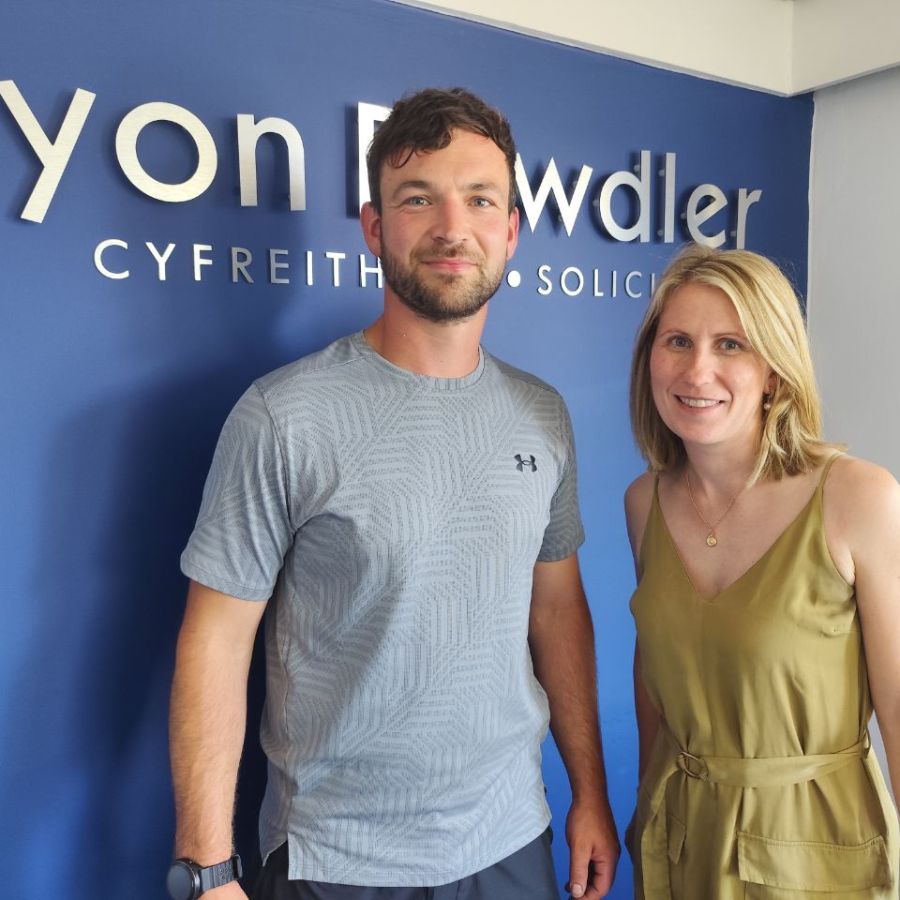
Huw Foulkes
Huw started Pentrefelin Dairy in 2021 with four Red Poll heifers, a full-time job on someone else’s farm, and a fairly clear idea of what I wanted to build — and absolutely no idea how hard the first two years were going to be.
Four years later he’s milking 20-25 cows, supplying coffee shops, running his own farm shop, working with a local cheesemaker, and selling nothing for less than £2 a litre. The dairy is profitable, the system works, and he can say with confidence that a small-scale cow-and-calf micro dairy — done properly and sold direct — is a genuinely viable business in the UK right now.
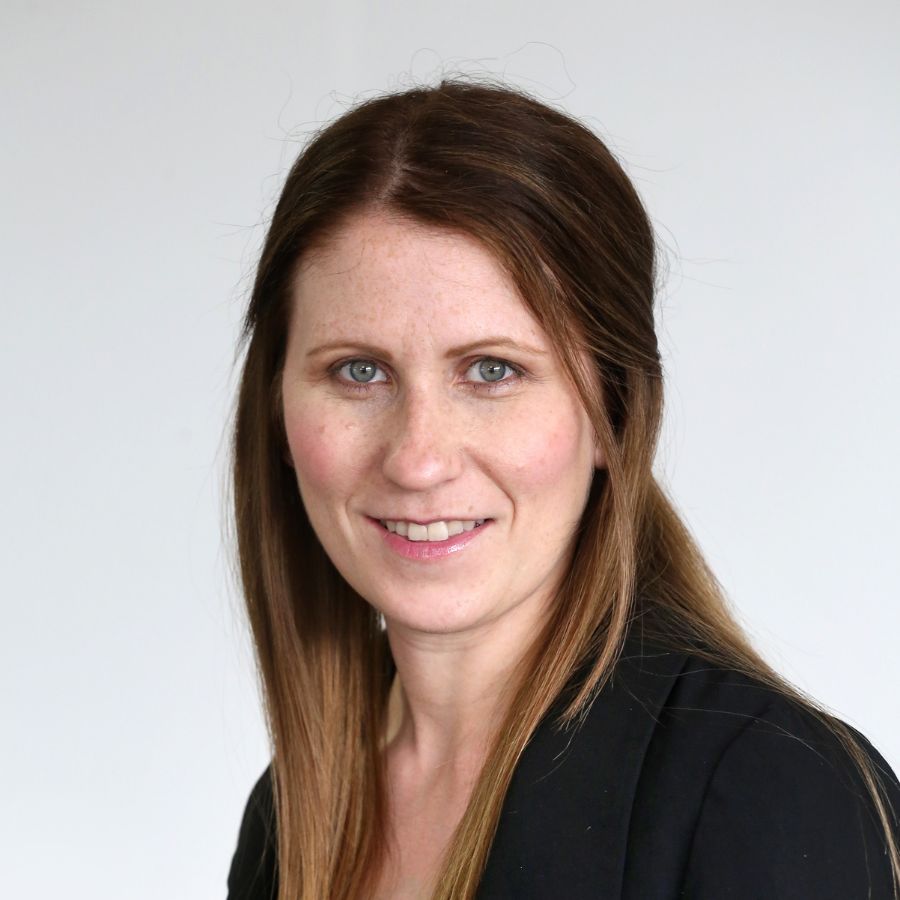
Katie Baker
Katie is the driving force behind our ‘Grounded in Agriculture’ podcast mini series, which sits within our main podcast ‘The Legal Lounge’.
Katie qualified as a solicitor in 2013 and has a wealth of experience in a diverse range of litigation. She acquired her Higher Rights of Audience upon qualification as she wanted to be able to offer her clients advocacy as well as sound legal advice.
Katie offers advice and guidance on a broad range of disputes and remedies.
Podcast transcription
[00:00:00 – 00:00:11] Introducer: This is the legal lounge from Lanyon Bowdler solicitors where you’ll hear about many aspects of law in England and Wales with special guests, industry experts and local charities.
[00:00:10 – 00:01:25] Katie: Welcome to Grounded in Agriculture, the show uncovering the often unseen connections between agriculture and the industries it feeds, fuels and shapes.
[00:01:24 – 00:02:13] Huw: Thanks for having me on. It’s really cool. So my name is Hugh Fawkes and I run a cow and calf micro dairy just outside of Denbigh. For anybody who doesn’t know what a micro dairy is, it’s basically a very, very… very very small dairy farm so I started five years ago with what I could afford at the time which was just four heifers selling milk directly from the farm gate at the time through a little cool box with ice packs and all that kind of stuff yeah just taking a bit of a different approach to dairy farming and producing food in general and it’s grown over the last four or five years to Do 25 milking cows now. They all get to keep their calves and rear their calves. We milk them once a day in the cell, everything direct into the local community here in North Wales.
[00:02:12 – 00:02:19] Katie: You’ve only started in the past few years, but the farm’s actually been in the family for generations, hasn’t it?
[00:02:18 – 00:02:28] Huw: Yeah, so it’s where my grandfather farmed and my father as well. My dad was milking cows up until about 2005. and
[00:02:27 – 00:02:28] Katie: Mm-hmm,
[00:02:27 – 00:02:35] Huw: then you know like many small dairy farms at the time faced quite a lot of challenges so
[00:02:34 – 00:02:35] Katie: mm-hmm.
[00:02:34 – 00:02:53] Huw: he packed up sold all the cows and just rented the farm rented it out basically and then that gave me a chance to go away go to uni figure out what I wanted to do with my life and then family and I was milking cows is what I wanted to do so
[00:02:52 – 00:02:53] Katie: A
[00:02:52 – 00:02:53] Huw: I
[00:02:52 – 00:02:53] Katie: painful
[00:02:52 – 00:02:54] Huw: spent
[00:02:53 – 00:02:55] Katie: circle then, did yeah it? Yeah,
[00:02:54 – 00:03:27] Huw: full circle so you know after university I spent 13 years working for a commercial dairy farm down the road it’s where I learned everything I know I think about cows and managing cows but I was also lucky you know that I had at home I was always drawn to being at home that’s where I wanted to be but it’s not really big in a farm to do things these things on scales and competes with these guys on volume so I knew if I was going into dairy I’d have to do it a bit differently so that’s why I’ve kind of gone down the route I have yeah
[00:03:26 – 00:03:35] Katie: Okay, so did you, you always knew that farming was going to be in your future in some way or does the university years block seem cemented for you?
[00:03:34 – 00:03:39] Huw: not always no because I actually studied engineering in university
[00:03:38 – 00:03:40] Katie: Oh, it’s quite different then, yeah.
[00:03:39 – 00:03:58] Huw: so um You know, before Universal, there was a bit unsure. This job on another dairy farm down the road soon made me realise that’s what I wanted to do. Not necessarily that system, but, you know, working the land and being outdoors, working with cows, that’s what I wanted to do.
[00:03:57 – 00:04:03] Katie: Okay. So you mentioned that milking stopped on the farm around 2005 and you’ve brought the cows back.
[00:04:03 – 00:04:04] Huw: Yeah.
[00:04:03 – 00:04:10] Katie: So was that directly as a result of the experience that you had? on the dairy farm.
[00:04:09 – 00:04:29] Huw: Yeah, so I knew milking cows was what I wanted to do. You know, that was the goal. But, you know, back in 2005, my dad faced quite, you know, he faced with the challenge of having to spend a lot on infrastructure we had,
[00:04:28 – 00:04:29] Katie: Right.
[00:04:28 – 00:04:33] Huw: you know, to meet. modern standards kind of thing so
[00:04:32 – 00:04:33] Part 1 – Speaker 3: Okay.
[00:04:32 – 00:04:38] Huw: if i was to go into it the conventional way then costs would have still been there for me um
[00:04:37 – 00:04:39] Part 1 – Speaker 3: Yeah, yeah.
[00:04:38 – 00:04:44] Huw: it would have meant going to the bank and asking for load of money and then probably spending the rest of my life paying
[00:04:43 – 00:04:45] Part 1 – Speaker 3: Trying off to pay that back, yeah.
[00:04:44 – 00:04:51] Huw: and then selling milk into what i think is quite vulnerable market you know being part of that global market so
[00:04:50 – 00:04:52] Part 1 – Speaker 3: Yeah.
[00:04:51 – 00:05:05] Huw: i didn’t want to do that so i yeah like i said i just started wide I could afford. I knew the market for local high welfare high quality food was growing well I
[00:05:04 – 00:05:06] Katie: Mm
[00:05:05 – 00:05:17] Huw: knew it was there so I wanted to explore that and I thought maybe start small and see how it goes so that’s that’s the reason for starting small and um yeah i’m really glad it’s i started
[00:05:16 – 00:05:17] Katie: working
[00:05:16 – 00:05:17] Huw: this space
[00:05:16 – 00:05:18] Katie: out yeah
[00:05:17 – 00:05:19] Huw: yeah yeah
[00:05:18 – 00:05:23] Katie: you’ve got red pole castle am i right yeah which
[00:05:22 – 00:05:23] Huw: yeah
[00:05:22 – 00:05:30] Katie: isn’t your conventional sort of dairy genetic why that i’m assuming there was some logic behind that
[00:05:29 – 00:05:57] Huw: so if you look at the bigger picture of what i actually do i think Milk production is, yeah, one big thing I do, but I don’t focus solely on producing milk. So the biggest thing I try and do is produce food in a way that has a positive effect on the environment, whether that’s animal welfare, whether that’s biodiversity, water quality, air quality. But the biggest one is soil health.
[00:05:56 – 00:05:57] Part 1 – Speaker 4: Mm
[00:05:56 – 00:05:58] Huw: That’s
[00:05:57 – 00:05:58] Part 1 – Speaker 4: -hmm.
[00:05:57 – 00:06:01] Huw: where we… focus all our decisions on is basically soil health and
[00:06:00 – 00:06:02] Katie: Right.
[00:06:01 – 00:06:31] Huw: in order to do that we have to manage the cows in a certain way and your modern dairy cow wouldn’t be suited to that sort of management style so we had to find a cow that was suited to our system of producing you know beef and dairy and funny enough if you go back 18, 19, 100 years, there’s already generation that invented that cow or bred that cow.
[00:06:30 – 00:06:31] Katie: Yeah.
[00:06:30 – 00:07:24] Huw: So these old native dual purpose cows were perfect for what I wanted to do. They were bred to thrive on a low input system. So grass fed, being outside all year round, minimal inputs, hardy, bombproof, I like to say. We needed a cow that fitted the bigger picture, not necessarily just for producing milk. And for me, the red pole ticked pretty much all the boxes. And, you know, you get a decent amount of milk off them to make the milk inside of things profitable. And then because we milk them once a day and let them rear their own calves, they also produce a nice chunky beef calf that we rear as well and fatten and sell. through the short paths beef boxes so yeah I wanted an animal that could do a bit of everything your
[00:07:23 – 00:07:24] Katie: Yep.
[00:07:23 – 00:07:33] Huw: modern dairy cow is fantastic the system they’re designed for They wouldn’t necessarily be very good for the system I’ve
[00:07:32 – 00:07:34] Part 1 – Speaker 5: You’ve
[00:07:33 – 00:07:34] Huw: created,
[00:07:33 – 00:07:34] Part 1 – Speaker 5: got in place.
[00:07:33 – 00:07:36] Huw: yeah. That’s the reason for that decision,
[00:07:35 – 00:07:36] Part 1 – Speaker 5: Sounds
[00:07:35 – 00:07:36] Huw: yeah.
[00:07:35 – 00:07:37] Part 1 – Speaker 5: like a lot of thought went into it.
[00:07:36 – 00:07:42] Huw: Funny story, actually. I think the original plan was to milk jerseys.
[00:07:41 – 00:07:42] Part 1 – Speaker 5: Okay.
[00:07:41 – 00:08:04] Huw: That was the original thought I had in my head. But then at the time, my dad was working for United Utilities. So his job was improving water quality for the River Dee. So he got to meet a lot of farmers over that side of. of Cheshire. He stumbled across a little farm in Cholston, Malpas one day and
[00:08:03 – 00:08:05] Katie: Yeah.
[00:08:04 – 00:08:11] Huw: a lovely lady there called Helen Arthon had a handful of these red pole cows and
[00:08:10 – 00:08:11] Katie: Okay.
[00:08:10 – 00:08:53] Huw: dad came home one day instead of seeing his cows never even heard of red poles or that and he was like you really need to go and just have a look at them just to see if you think they’d fit what you want. once they’re a bit better so the following weekend went and had a look and i was like yeah these cows pretty cool i think they could do what we want them to do they uh they just look like proper old-fashioned hardy cows and i thought you know they’d probably do a better job and yeah just went from there she had four heifers for sale which was quite lucky i think they were about 400 quid at the time for these bullet heifers snapped them up and bought a bull a few months later to go with them just took it from there really yeah
[00:08:52 – 00:08:56] Katie: Sounds like sort of a fortunate sequence of events in a way.
[00:08:55 – 00:09:06] Huw: yeah everything kind of slotted together nicely and i think I think looking back, I think everything happens for a reason and I think, you know, it’s worked out quite well, yeah.
[00:09:05 – 00:09:23] Katie: Yeah. So keeping calves with their mothers, which is obviously what you do, isn’t sort of how most people imagine sort of commercial dairy working. I know you’re very clear that you do things differently. Why that approach? Why does that work for you? And what do you think the benefit is overall?
[00:09:22 – 00:09:44] Huw: I think there’s a lot of reasons, there’s a lot of reasons, but the main… One of the main reasons I think is before I set all this up, I feel as if I stepped back a bit from the, I think the little bubble we live in sometimes in the agriculture world and just I had to listen to what I thought the consumer wanted and,
[00:09:43 – 00:09:45] Katie: Okay.
[00:09:44 – 00:10:05] Huw: you know, so many people in the agricultural world keeping cows and calves together in the dairy system is just, it’s unheard of, it’s not what we do. But then if you go and ask people that are walking down the streets what they don’t like about dairy farming, I’m sure nine out of ten of them will tell you they don’t like the fact that calves are separated.
[00:10:04 – 00:10:05] Katie: Yeah.
[00:10:06 – 00:10:25] Huw: I started thinking about how we can make it work and the first 12 months was actually just an experiment. We’re trying to come up with a system where it worked for us that we can get milk but it also has to work for the cow and also has to work for the calf. So the first 12 months we didn’t actually sell the drop of milk
[00:10:24 – 00:10:25] Katie: Gosh.
[00:10:24 – 00:10:59] Huw: and it was just a matter of trial and error working out how we can make this work. blood sweat and tears went into it you know five years down the line now I think it’s it’s got to the point where it’s working really really well we can get really nice calves after nine months of suckling the cows and we can then demand a premium for the milk as well so you know milk I think has been devalued a lot over
[00:10:58 – 00:10:59] Part 1 – Speaker 6: Yeah.
[00:10:58 – 00:11:32] Huw: the last 50, 60, whatever years, I could sit here and blame people for that. But then what I wanted to do is add value to what we produce. And in order to do that, I think you’ve got to listen to the customer and listen to what the customer wants. So the fact we keep the cows and the calves together is just one link in the chain really. It’s one piece of a much bigger picture, but it is probably the biggest USP we’ve got. it’s what allows us to to charge that premium and get less milk but still make it work yeah
[00:11:31 – 00:11:45] Katie: I was going to come on to that because obviously you mentioned that you only milk once a day so how again does that work because obviously generally speaking it’s volume isn’t it that is sold is that because you’re free of a contract so you can do it how you want essentially.
[00:11:44 – 00:12:06] Huw: i think you know we know we know the modern dairy setup is all based around volume and quantity and that’s had to be done because of the small margins they’re involved you know fluctuating prices and small margins the only way you can absorb all that as a as a business is volume kind of
[00:12:05 – 00:12:06] Katie: Mm
[00:12:05 – 00:12:06] Huw: thing
[00:12:05 – 00:12:06] Katie: -hmm.
[00:12:05 – 00:12:36] Huw: and I didn’t want to be in that kind of market in that kind of world so I thought if I can get a much bigger price for the milk I’ll be honest nothing leaves the yard for less than two pound a litre you know it gives us that flexibility then to be able to to sell less. I mean, if we can actually produce that for less as well, by just having the cows 100% grass fed, no concentrates brought in, you know, increases the margin even more.
[00:12:35 – 00:12:37] Katie: Yeah, it’s
[00:12:36 – 00:12:43] Huw: And then we also process the milk and bottle it on the farm as well. So there’s
[00:12:42 – 00:12:45] Katie: a full operation going on.
[00:12:44 – 00:12:53] Huw: a, you know, we started with a 13 litre pasteuriser and I was hand washing bottles in the sink. so you know
[00:12:52 – 00:12:53] Part 1 – Speaker 7: That’s
[00:12:52 – 00:13:25] Huw: it’s when you’re looking from the outside and you know when I show people around um especially farmers it makes them think you know well we could actually do this ourselves for much less than what we actually thought you know you can you can make a start with very very little input really and that’s what’s been the beauty of just starting with the four four heifers really it was very minimal cost to set it up but then as soon as you get the ball rolling get to get a bit of a name for yourself it works quite well yeah
[00:13:24 – 00:13:26] Katie: We’ve had your milk milk
[00:13:25 – 00:13:27] Huw: and yeah yeah we
[00:13:26 – 00:13:37] Katie: have yeah yeah yeah many a time and it’s just really well presented as well because I love the fact that the cows names are on the label and just little touches that sort of make it a bit more personal I
[00:13:36 – 00:13:37] Huw: yeah so
[00:13:36 – 00:13:38] Katie: suppose
[00:13:37 – 00:13:48] Huw: when i was yeah so when i was milking the four heifers I was able to put the individual names on the Yes. tag and I will milk in 25. I don’t do that anymore.
[00:13:48 – 00:13:50] Part 1 – Speaker 8: It made it a little bit more complicated.
[00:13:49 – 00:14:12] Huw: Yeah, yeah. But it’s them little things that people appreciate more than you think. So, you know, that’s been a big steep learning curve as well is dealing with the customer and seeing what they want. Managing that side of things, which is… probably more than 50% why I do now yeah
[00:14:11 – 00:14:25] Part 1 – Speaker 8: Do you think that the way that you’re milking sort of makes you more resilient because you’re not permanently chasing the volume, you’re doing it your way and selling dairy, you’ve got that direct sort of relationship with the customer?
[00:14:24 – 00:14:41] Huw: so I think I think that’s another one of the main reasons why I went down this route of farming you know like I said before I think going into it commercially would have meant spending a lot of money and selling milk into what I think is quite a vulnerable market you
[00:14:40 – 00:14:42] Part 1 – Speaker 8: Hmm.
[00:14:41 – 00:15:00] Huw: know in a global market so I think the routes I’ve gone down will hopefully make the business more resilient long term especially due to the fact that you know by having a breed of animal that can thrive off grass alone we don’t need to be spending on constant trade
[00:15:00 – 00:15:03] Huw: and buying grains in and all that kind of stuff
[00:15:02 – 00:15:03] Katie: Yeah.
[00:15:02 – 00:15:16] Huw: we’re trying to farm in a way that has a positive effect on the soil which means we’re not buying in fertilizers we’re not buying sprays so we’re not point ourselves at risk of fluctuating prices there as well
[00:15:15 – 00:15:21] Katie: very much on point at the moment with uncertainty surrounding fuel and everything isn’t it so
[00:15:20 – 00:15:49] Huw: and then another main thing you know is the weather you know it’s it’s 35 degrees in the van on the way here and we’re finding summers are getting hotter and hotter we’re getting longer periods without rain and you know i think that’s probably going to be a bigger problem going forward than fluctuations in fertilizer prices and fluctuation in fuel prices because if we’re not getting the moisture we need to grow grass or grow these crops then
[00:15:48 – 00:15:50] Katie: Yeah.
[00:15:49 – 00:16:01] Huw: it doesn’t matter how much you spend on fertilizer or whatever it’s trying to build a business we’re trying to improve the health of the soil which means we can hold more water grow more grass make the business more resilient that way
[00:16:00 – 00:16:01] Katie: Yep.
[00:16:00 – 00:16:26] Huw: and then you know selling to a local food market here in North Wales where we can demand and what price we want again makes the business a bit more resilient and if we can keep all the processing and bottling and hopefully one day bring the the beef cutting and all that side of things in-house as well it just makes it a bit more resilient again so we’re not having to depend on other people to do everything for us
[00:16:25 – 00:16:26] Katie: There’s
[00:16:25 – 00:16:26] Huw: so fewer yeah
[00:16:25 – 00:16:28] Katie: people taking a slice of the pie then as far as
[00:16:27 – 00:16:29] Huw: yeah
[00:16:28 – 00:16:29] Katie: I’m aware.
[00:16:28 – 00:16:36] Huw: but then there are things we can do without as well so if you look at local slaughterhouses that’s
[00:16:35 – 00:16:37] Katie: Yeah.
[00:16:36 – 00:17:01] Huw: one thing we really can do without and you know even the butchers that pack the meat and cut it for us that’s something you know even if we hire our own butcher is quite worrying because that’s a skill in itself that’s dying slowly um And that’s not something you can just learn. and it’s who we crush as a tribe
[00:17:00 – 00:17:03] Katie: No, it
[00:17:02 – 00:17:04] Huw: you know there’s there’s
[00:17:03 – 00:17:04] Katie: didn’t work.
[00:17:03 – 00:17:31] Huw: there’s there’s an art to it there’s generational there’s generations worth of knowledge you know in butchery and getting the most value out of carcasses and what to do with what piece to get the most value out of it and that’s something you learn over you know over a lifetime even though we’re trying to do a lot ourselves ourselves we’re also really dependent on people with these other skills as well yeah
[00:17:30 – 00:17:34] Katie: So it’s like knowing your limitations, I suppose, isn’t it?
[00:17:33 – 00:17:35] Huw: yeah yeah yeah
[00:17:34 – 00:17:44] Katie: You’ve naturally sort of moved us on to the meat boxes because that’s another element. So talk us through that and how that works alongside your dairy operation.
[00:17:43 – 00:18:01] Huw: so so the cows get to rear all their calves that’s you know whether they’re born as males or females the cows are calf and then the cows all tend to naturally calf in the spring ish give or take a couple of months so
[00:18:00 – 00:18:02] Katie: Yeah.
[00:18:01 – 00:18:10] Huw: the calves get to spend a good nine months at least really with a cow before they’re weaned
[00:18:09 – 00:18:10] Katie: Right.
[00:18:09 – 00:18:22] Huw: and the majority are weaned around about Christmas time if they’re born you know in the spring and then once they’re weaned we’ll keep all the heifers as replacement heifers because I’m still trying to grow the herd slowly
[00:18:21 – 00:18:23] Katie: Yeah.
[00:18:22 – 00:19:16] Huw: and then all the male calves is what we keep on the farm then we’ll fatten them take a ride through to usually around three three and a half years old it then goes to a local abattoir that’s in Wrexham it’s about 50 minutes away and then we drop them off there and they come back four weeks later in boxes ready to you know labelled packed ready for people to buy the beef and it’s only really when we started selling the meat boxes that I was able to come home and do what i do full time so the first couple of years it was still working in my current job coming home during the day to milk and then going back to work work in the in the afternoon and evenings where you’re suddenly bringing being confronted in as well that’s what allowed me to do it full-time still trying to be consistent with the beef really because of everything the way we try and do things with just fattening things on grass it’s actually quite seasonal um
[00:19:15 – 00:19:17] Katie: Yeah, okay.
[00:19:16 – 00:19:29] Huw: a lot of people struggle to understand is milk and beef can be quite seasonal if you’re producing the way we are and well food in general really is
[00:19:28 – 00:19:30] Katie: Yeah, yeah.
[00:19:29 – 00:19:32] Huw: is seasonal so um
[00:19:31 – 00:19:35] Katie: We get so used to getting things all the time though, don’t we? Because they’re being grown.
[00:19:34 – 00:20:33] Huw: that’s it so you know you just have to explain to people why certain times of the year you can order a beef box whenever you want and then other times you might have to wait a couple of months until we’ve got the next batch in the beef itself itself really there is Such a demand for the beach and then when I think when you can finish things off graphs with these old traditional meats and breeds, it’s a completely different product to what people are used to buying from, say, the supermarket and stuff. So, yeah, we’re really lucky that we’ve got a good base now of customers. It usually takes me about four to six weeks to build up enough of a waiting list and I’ll send a cow to slaughter, pick it up on a Friday. And in the following days, everybody comes and picks their boxes up and it’s usually gone within. a couple of days so uh yeah it works really well with the milk and everything as well fits the system quite well
[00:20:32 – 00:20:57] Katie: I wanted to touch on issues with abattoirs because it’s obviously quite a significant issue at the moment. Obviously, it’s we’re repeatedly hearing it and that people’s livestock are being sent further and further away. It’s like a pinch point being created, really. I know you’ve had some problems with this. Therefore, what’s your experience and what are the bigger problems it is causing?
[00:20:56 – 00:21:12] Huw: We’re currently on our second slaughterhouse now and that’s because the first one we were using originally shut down just because they were on the outskirts of Wrexham. I think they had quite a good price offered to them for building or something on the land
[00:21:11 – 00:21:12] Katie: Oh,
[00:21:11 – 00:21:13] Huw: so
[00:21:12 – 00:21:13] Katie: okay,
[00:21:12 – 00:21:13] Huw: it
[00:21:12 – 00:21:13] Katie: right.
[00:21:12 – 00:21:27] Huw: just sold out and every time I go to these guys I use now they tell me there’s new restrictions in place. there’s a new hurdle to jump over kind of thing and the words have actually come out of their mouth in the past is they’re trying to push the old men out you
[00:21:26 – 00:21:27] Katie: Right,
[00:21:26 – 00:21:27] Huw: know they’re trying to
[00:21:26 – 00:21:27] Katie: yeah.
[00:21:26 – 00:21:44] Huw: squeeze us out and you know it is really worrying it is worrying because it doesn’t matter what i do on the farm i can farm in the most amazing way that has the most amazing effect on animal welfare and biodiversity and the environment if
[00:21:43 – 00:21:45] Katie: Yeah,
[00:21:44 – 00:21:51] Huw: i haven’t got somewhere then to process them animals it’s pointless you know it’s
[00:21:50 – 00:21:51] Katie: yeah.
[00:21:50 – 00:22:09] Huw: pointless so it is it is really worrying and you know like i touched on before it’s not just the slaughter the side of things but it’s the art of butchery as well the guys i’m working with are the minutes it’s really hard to get consistent animals in with them just because they’re so busy they’ve
[00:22:08 – 00:22:10] Katie: Right.
[00:22:09 – 00:22:33] Huw: got so much work and they could probably be doing a lot more than what they’re doing but they’re just limited with the staff they’ve got so it’s not just the slaughtering side of things but it’s the it’s the scale involved with butchery and you know cutting up and all that kind of stuff so yeah it’s a bit worrying it’s a bit worrying because I’ve got a friend I’ve got a friend over in chem ice the other side of Anglesey
[00:22:32 – 00:22:33] Katie: Yeah,
[00:22:32 – 00:22:39] Huw: he raises a few pigs and the closest place he has to take them is the same place i go which is Wrexham
[00:22:40 – 00:22:56] Huw: it’s two hours worth of travel two hours back and then the following week he’s got to go back and pick up his hostages and stuff so it is worrying because I don’t think people realise the problem in it, but, you know, ill cause,
[00:22:55 – 00:22:56] Katie: Yeah.
[00:22:55 – 00:23:08] Huw: you know, we can encourage more farmers to go down the routes of direct selling to customers and all that kind of stuff. But if we haven’t got the infrastructure in place to process that food, we’re going to hit a wall.
[00:23:07 – 00:23:17] Katie: Do you think it’s more the red tape and the costs that’s passing on to the abattoirs that are causing the problem rather than a lack of people wanting to run
[00:23:16 – 00:23:17] Huw: Yeah, 100%,
[00:23:16 – 00:23:17] Katie: them? Yeah.
[00:23:16 – 00:23:40] Huw: 100%. There’s another. There’s enough people, I think, and there’s only going to be an increase in the amount of farmers wanting to use these small local slaughterhouses for direct selling, but is the red tape involved with them and the restrictions there and the costs they have to endure as well? And I think staffing as well. I don’t think the demand is a problem at all.
[00:23:39 – 00:23:41] Katie: No.
[00:23:40 – 00:24:03] Huw: But, you know, like I said before, every time you go there. they’ll say there’s something else this week you know in your barrier i think the other week there was a new one with if i’ve got anything with horns now i have to let them know i may have to measure the horns because there’s new head restraints they’ve got to put in place or something so if you’ve got cows with certain size horns they can’t take them anymore so
[00:24:02 – 00:24:03] Katie: because
[00:24:02 – 00:24:03] Huw: that was something
[00:24:02 – 00:24:03] Katie: they would
[00:24:02 – 00:24:04] Huw: yeah
[00:24:03 – 00:24:05] Katie: need other equipment in order to manage
[00:24:04 – 00:24:06] Huw: basically
[00:24:05 – 00:24:08] Katie: that essentially and they can’t afford to get that yeah yeah
[00:24:07 – 00:24:10] Huw: so that was a couple of months
[00:24:09 – 00:24:10] Katie: where
[00:24:09 – 00:24:10] Huw: ago
[00:24:09 – 00:24:11] Katie: would you then send those
[00:24:11 – 00:24:13] Huw: I have no idea. No idea.
[00:24:12 – 00:24:14] Katie: Okay, let’s hope that
[00:24:13 – 00:24:14] Huw: Yeah.
[00:24:13 – 00:24:15] Katie: problem doesn’t arise.
[00:24:14 – 00:24:32] Huw: Yeah. So, you know, there is quite a big slaughterhouse in Corwin, but they don’t offer the hanging and the cutting side of things. And there are a few other… Small little houses dotted around North Wales, but they’re all just so busy.
[00:24:31 – 00:24:32] Katie: Yeah.
[00:24:31 – 00:24:41] Huw: You know, you can’t get your foot in. You have to pre-book months and months and months ahead. I’ve spoken to a couple of them and they are, they’re just too busy. They’re too busy.
[00:24:41 – 00:24:49] Katie: Crazy, isn’t it, that they can’t seem to survive when there’s that much demand for it. Do you think it’s coming from the top, the problem rather than…
[00:24:48 – 00:25:45] Huw: Yeah, I think, I don’t think they realise. How big a problem it is? I couldn’t have gone down the route I’ve done without the direct selling. You know, I have to get a premium from, well, not a premium as such, but I need to get as much of that income as I can from the end customer. So that means direct selling my product direct to the customer kind of thing. And yeah, in order to do that, you’ve got to use these small local slaughterhouses, but I don’t think people with the power actually appreciate. how much of a problem it is you know they’re trying to they can they can pay us what we want to to farm with the environment and all that kind of stuff. But obviously there’s going to be a hit there with production. So you have to get more for what you produce. And in order to do that, you’ve got to sell directly to the consumer kind of thing. So there’s no point paying us to do one thing if we can’t then go ahead and, you know, sell our product for what we need to.
[00:25:44 – 00:25:46] Katie: Yeah, of course.
[00:25:45 – 00:25:48] Huw: So, you know, it is an issue.
[00:25:47 – 00:26:05] Katie: I really want to talk to you about regenerative farming. I mean, that’s your quite renowned for this. So Punch of Ellen rooted in regenerative permaculture principles. I don’t fully understand all of those principles. I’m sure lots of other listeners won’t. So can you sort of give us a little crash course in what that means and how that works day to day?
[00:26:04 – 00:26:23] Huw: Yeah, I think to put it as simply as I can, I think I’ve touched on this before. So every decision we make now on the farm is based around soil health. Whatever it says on the website in simple terms we’re trying to produce food in a way that has a positive effect on the environment.
[00:26:22 – 00:26:24] Katie: Okay.
[00:26:23 – 00:26:41] Huw: The idea we’ve gone down is if we can improve the health of the soil then everything else will kind of look after itself. So we’re trying to manage the cows in a way that improves the soil health which means we’re doing rotational grazing. so
[00:26:40 – 00:26:42] Katie: Right.
[00:26:41 – 00:26:44] Huw: we’re moving the cows every day which
[00:26:43 – 00:26:44] Katie: Okay.
[00:26:43 – 00:26:49] Huw: is quite a you know that is quite a standard practice for most dairy farms now but
[00:26:48 – 00:26:49] Katie: Yeah.
[00:26:48 – 00:26:56] Huw: the biggest difference in what we do is probably the rest periods we give each little paddock after grazing so
[00:26:55 – 00:26:57] Katie: Okay.
[00:26:56 – 00:27:25] Huw: your typical rest period might be anything between three to five six weeks depending on the time of the year whereas the route we’ve gone down is we’re trying to give at least 60 to 90 days rest periods before the cows come back and graze. That piece, what we’re trying to do then is basically give all the different species we’ve got growing in the paddocks a chance to grow, get a chance to establish really deep roots.
[00:27:24 – 00:27:26] Katie: Mm-hmm.
[00:27:25 – 00:27:44] Huw: And then, you know, after 90 days, everything’s seeded itself. It’s had a chance to flower, which, you know, benefits the pollinators and all that kind of stuff as well. creating a bit of an armour on the soil as well so it is baking hot like it is today
[00:27:43 – 00:27:44] Katie: Yep.
[00:27:43 – 00:28:07] Huw: you’ve got some kind of cover on the soil i could talk about this all day but the main thing is soil health that’s if we can improve the soil health and have the soil acting more as a bit of a sponge that holds water increase the organic matter increase the biology that’s working in the soil everything else We’ll look after itself.
[00:28:07 – 00:28:20] Katie: So what results do you see in many ways you haven’t formed? differently you’ve always been that way haven’t you but what would you say if you were trying to convince somebody to farm in that way what are the benefits what do you see as a result
[00:28:19 – 00:29:03] Huw: Well, there’s so many benefits, you know, if you’re direct selling to the end consumer, you can really shout about your method of farming and give you more more of a premium for what you’re producing. And then if you’re looking at it from a business point of view as well. your soil is your biggest asset in my opinion if you’re looking after your soil you’re making your business more resilient basically if you’ve got healthy soils that need less inputs it gives you a more profitable business and you know and whether like we’re having now if you have got soils with increasing organic matter that can hold more water you can keep growing crops you can keep growing grass longer into the summer when other farmers might not so
[00:29:02 – 00:29:04] Katie: Mm-hmm.
[00:29:03 – 00:29:08] Huw: it’s giving your business a bit more resilience as well yeah
[00:29:07 – 00:29:09] Katie: Pretty key at the moment.
[00:29:08 – 00:29:29] Huw: but then you know even then it only works to a limit kind of thing as well so you can look at it from a business point of view making the overall business more resilient more profitable and less reliant on external imports or you can look at it from a selling point of view to get more money for your product So there’s loads of different ways
[00:29:28 – 00:29:29] Katie: alternatives
[00:29:28 – 00:29:29] Huw: to look at it, I think.
[00:29:28 – 00:29:30] Katie: yeah
[00:29:29 – 00:29:30] Huw: Yeah.
[00:29:29 – 00:29:55] Katie: you’ve talked um a lot about how everything’s connected in the environment and livestock or we’re all sort of working together and all sort of benefit each other there’s a lot of emphasis on that at the moment um changes in subsidies and various other things but do you think whilst that’s acknowledged by farmers do you think that people outside of farming necessarily realise they’re all connected it may well be that you do or there’s a shift the shift in that way.
[00:29:54 – 00:30:00] Huw: Yeah, I don’t, well, I think most people struggle to get their head around it.
[00:30:00 – 00:30:25] Huw: Because if we understand enough about farming to understand, you know, how different ways of farming impact the environment and all that kind of stuff. So, you know, you can look at it, say, I think a good example maybe to explain this is a lot of people ask me, how are you making a living off milking 15, 20 cows? Because all they can see is the amount of milk that 15 to
[00:30:24 – 00:30:25] Katie: Yeah.
[00:30:24 – 00:30:37] Huw: 20 cows produce. So if I can then explain to people, right, I’m milking my 15 to 20 cows, I can sell the milk, but if they’re also rearing me a calf, I can also sell some beef.
[00:30:36 – 00:30:37] Katie: Yeah.
[00:30:36 – 00:31:04] Huw: If I’m then following the cows with a flock of chickens that give me 120, 150 eggs a day, I’ve then got 150 eggs to sell a day as well. But then chickens are also scratching through the earth. by distributing that muck evenly across the field, picking through all the bugs, keeping fly numbers down for the cows. So they’re working with the cows, but they’re also working in a way that benefits the land,
[00:31:03 – 00:31:04] Katie: Mm-hmm.
[00:31:03 – 00:31:12] Huw: but they’re also giving me a bit more income. And if then I’m planting… agroforestry strips in the field so
[00:31:11 – 00:31:12] Part 3 – Speaker 4: Yeah.
[00:31:11 – 00:31:41] Huw: rows of trees in the field to separate my paddocks with them reducing the labour needed because I don’t have to set up electric fences all day one day you know if they’re fruit trees I might have fruit to sell in the shop along with my milk my beef my eggs and also You know, all the benefits trees have for biodiversity and all that kind of stuff and shade for the cows in certain
[00:31:40 – 00:31:41] Part 3 – Speaker 5: Like
[00:31:40 – 00:31:41] Huw: like places
[00:31:40 – 00:31:42] Part 3 – Speaker 5: the day, yeah.
[00:31:42 – 00:32:01] Huw: shelter for them in the winter as well. So suddenly you’ve got four to five different income streams then from the one and then if I fence them trees off in you know say five metre strips once them trees are well established I might be able to run pigs down the strips so
[00:32:00 – 00:32:02] Part 3 – Speaker 6: Okay.
[00:32:01 – 00:32:45] Huw: then each certain times of the year when we’ve got apples and stuff on the floor so that’s another income stream and then if you can then run them pigs in a field keep them there quite tight where they turn over um you know they’re quite good at resetting a field i found if you’ve got quite a bad field the pigs will turn it up eat the roots eat dog leaves they’ll reset it and then you can go and plant your vegetables in there it’s kind of another system that’s working with everything else If you’re looking at in from the outside, all you’re seeing is an income from 15 to 20 cows selling milk. But when you’ve got all these different enterprises stacked on top of each other working together,
[00:32:44 – 00:32:45] Part 3 – Speaker 7: Yeah.
[00:32:44 – 00:33:01] Huw: you’re probably producing a hell of a lot more calories per acre than your standard dairy farm just producing milk or a standard beef farmer just producing beef. So. Yeah, there’s different ways you can look at it.
[00:33:00 – 00:33:05] Part 3 – Speaker 8: that’s a lot of diversification so very very yeah
[00:33:04 – 00:33:09] Huw: I haven’t mentioned bees either, so you know, if you’ve got bees there as well, yeah.
[00:33:08 – 00:33:13] Part 3 – Speaker 8: well the other thing that you haven’t mentioned yet is Hannah to teach tell
[00:33:12 – 00:33:13] Huw: Oh yeah.
[00:33:12 – 00:33:16] Part 3 – Speaker 8: us a little bit about that because that’s working with the community isn’t it
[00:33:15 – 00:33:29] Huw: Yeah, so you know what I found was I spend a lot of my time showing people what I do, explaining to people what we do and why we do it. And that started off just as customers really,
[00:33:28 – 00:33:30] Part 3 – Speaker 8: Mm
[00:33:29 – 00:33:30] Huw: because
[00:33:29 – 00:33:30] Part 3 – Speaker 8: -hmm.
[00:33:29 – 00:33:31] Huw: I had to get
[00:33:30 – 00:33:31] Part 3 – Speaker 8: Yeah.
[00:33:30 – 00:33:52] Huw: people to understand why they’re paying £2 a litre, but then it’s kind of… We show all people, all sorts of people around and there’s a big emphasis now on showing farmers why do and young farmers and other farmers that want to diversify. A good friend of mine set up a community interest company called Landlinked and
[00:33:51 – 00:33:52] Part 3 – Speaker 8: Right.
[00:33:51 – 00:34:16] Huw: not long after he set it up we were talking and I was like right I’d like to get involved with this kind of thing because you know we’re putting the work into showing people around and all that kind of stuff if we can get a bit of help in putting a polytunnel up or getting money to do some hedge laying and teach people how to do that at the same time even better
[00:34:15 – 00:34:16] Part 3 – Speaker 8: Yeah.
[00:34:15 – 00:34:47] Huw: so yeah the Hannah Supreme project is a land-linked run project and is basically to get people onto the farm and teach them different skills from rotational mob grazing or how to set up a pasture poultry enterprise or coppicing and hedge laying or growing fruits and vegetables so it’s still very much early doors what’s happened in the last 12 months has been really exciting for for that side of things as well
[00:34:46 – 00:34:52] Part 3 – Speaker 8: Are you hoping to sort of… attract more people into agriculture or is that an
[00:34:51 – 00:34:52] Huw: I think
[00:34:51 – 00:34:55] Part 3 – Speaker 8: aim or is that just a by product of what’s being
[00:34:54 – 00:35:51] Huw: we have to attract more people in not necessarily agriculture, but onto the land in general, because not necessarily just farming, but I think… land-based skills in general disappearing so for example like your hedge laying and your coppicing and all that kind of stuff you know just to give people a better idea or I think if you go right back to basics, just giving people the opportunity to be on the land, because that’s not something a lot of people have Yeah, access to these days. We’re trying to do things as basic as getting people onto the farm for the walk around in an evening and take you right up to one-to-one counselling after every days, you know, so there’s massive opportunity out there for. this kind of thing yeah i think it feels like we’re just scratching the surface with it really yeah
[00:35:50 – 00:35:52] Part 3 – Speaker 8: exciting yeah
[00:35:51 – 00:36:00] Huw: but then you know it’s probably a full-time job in itself just that side of things so he’s trying to balance it with everything else really
[00:35:59 – 00:36:13] Part 3 – Speaker 8: yeah do you think there’s enough support out there for farmers who are trying to farm differently we’ve talked about the fact that there is schemes there but it’s not just a case of jumping into a scheme if that’s not how your current you’re farming
[00:36:13 – 00:36:23] Huw: Yeah, I think, I don’t think there is enough help, no. But then I think speaking from my experience, I kind of knew the help wasn’t there.
[00:36:22 – 00:36:24] Part 3 – Speaker 8: Yeah.
[00:36:23 – 00:36:28] Huw: So I’ve tried to build the business based on no help.
[00:36:28 – 00:36:29] Part 3 – Speaker 8: Okay.
[00:36:28 – 00:36:37] Huw: I think having a business that… doesn’t have to rely on handouts definitely puts you in a strong position
[00:36:36 – 00:36:37] Part 3 – Speaker 8: Yeah.
[00:36:36 – 00:36:41] Huw: but then that’s not going to work for everyone i
[00:36:40 – 00:36:41] Part 3 – Speaker 8: No, of course not.
[00:36:40 – 00:36:52] Huw: think we definitely do need help but i think people need to plan for the future and they need to know what’s happening at the minute nobody seems to know what’s happening and what help is going to be there in the future so
[00:36:51 – 00:36:52] Part 3 – Speaker 8: No.
[00:36:51 – 00:36:58] Huw: it’s very hard to make these decisions which are you know very long-term decisions that
[00:36:57 – 00:36:59] Part 3 – Speaker 8: Yeah.
[00:36:58 – 00:37:10] Huw: are going to take 10-15 years to pay back if the stability and the security isn’t there people aren’t going to want to you know make these long long-term decisions
[00:37:10 – 00:37:20] Part 3 – Speaker 8: No, that’s a very difficult thing, I suppose, for policymakers because they’re only in for short periods of time aren’t they so by the we’ve just had the senate elections it’s
[00:37:19 – 00:37:20] Huw: Mm-hmm.
[00:37:19 – 00:37:37] Part 3 – Speaker 8: going to probably take them about 12 months to bed in isn’t it especially because we’ve had new constituencies so a lot more senate members you’ve sort of a year in before anything starts going and then you’ve got the sort of like a two-year period and then you’re almost back sort of working towards election again aren’t you there’s not that long-term planning
[00:37:36 – 00:37:37] Huw: Yeah,
[00:37:36 – 00:37:38] Part 3 – Speaker 8: those.
[00:37:37 – 00:38:04] Huw: I’ve been lucky enough, you know, I do quite a bit of work with the nature-friendly farming network and I’ve had the opportunities to go down to the centre and do talks, explain to members of the centre what we do at home and why we do it and they all, you know, well, the ones I’ve spoken to, they understand what we do, they get it, they love it. But, you know, the truth of the matter is. farming is also competing with things like the NHS and
[00:38:03 – 00:38:05] Part 3 – Speaker 8: Mm-hmm. Yeah.
[00:38:04 – 00:38:52] Huw: education and transport is competing with everything else with what seems to be ever-shrinking budgets so we’ve got to we’ve got to really justify every penny that comes our way and I think in order to do that we’ve got to do more than just produce food even though you know it is really important we produce food but we’ve also got to do it in a way that benefit the environment I think because we’ve got we have got the potential to do as farmers I think we’ve got the potential to solve so many of the problems that we face as a well as a nation like globally at the minute and if we had the help to do it I think we could we could deliver so much probably good so much more than just producing food with the right help to do it
[00:38:51 – 00:39:05] Part 3 – Speaker 8: So if more farms adopted sort of the nature-friendly way and the regenerative farming systems that you’re putting in place in an ideal world, what, how do you think Welsh agriculture would look in five, ten years?
[00:39:06 – 00:39:33] Huw: um i think realistically i think we’ll probably have to produce more things so not necessarily just focus on you know lamb beef and dairy but i think it will have to be a more mixed farming way of producing food and integrating different sort of enterprises on top of each other
[00:39:32 – 00:39:33] Part 3 – Speaker 8: Yeah.
[00:39:32 – 00:39:55] Huw: i think that’s the way when you do focus solely on dairy or do focus solely on and beef or whatever the environmental value has to it’s got to be suited to producing milk or it’s got to be suited to producing dairy you know whereas the approach i think i’m taking is we’re trying to create an environment that we can do a lot of things in not just you know individual enterprises so
[00:39:54 – 00:39:59] Part 3 – Speaker 8: It’s giving you resilience though, aren’t you? Because you haven’t got your eggs and boiling one basket.
[00:39:58 – 00:39:59] Huw: yeah
[00:39:58 – 00:39:59] Part 3 – Speaker 8: So
[00:39:58 – 00:39:59] Huw: yeah
[00:39:58 – 00:40:00] Part 3 – Speaker 8: you’ve got.
[00:39:59 – 00:40:08] Huw: yeah that’s i was literally thinking on the way here you know if we had a lot of the milk i sell goes to like local coffee shops and stuff um
[00:40:07 – 00:40:08] Part 3 – Speaker 8: Okay.
[00:40:07 – 00:40:11] Huw: so there’s probably yeah
[00:40:10 – 00:40:14] Part 3 – Speaker 8: So they’re buying into it, aren’t they? You know, yeah alternative.
[00:40:13 – 00:40:30] Huw: and that’s been like key to it all really and i don’t know whether i call myself lucky or whether it’s because of the what we do on social media but i think we’re lucky if abbey’s people are owning these businesses and coffee shops understand enough about what we do
[00:40:29 – 00:40:30] Part 3 – Speaker 8: Yeah.
[00:40:29 – 00:40:35] Huw: to just because you know they’re spending they’re not getting any cheaper than what we sell in the shop
[00:40:34 – 00:40:35] Part 3 – Speaker 8: No,
[00:40:34 – 00:40:35] Huw: so
[00:40:34 – 00:40:36] Part 3 – Speaker 8: no, of course.
[00:40:35 – 00:40:40] Huw: they’ve got to justify paying more for their input
[00:40:39 – 00:40:42] Part 3 – Speaker 8: They obviously think it’s worth it if they’re sticking with it,
[00:40:41 – 00:40:42] Huw: yeah and
[00:40:41 – 00:40:42] Part 3 – Speaker 8: so.
[00:40:41 – 00:40:50] Huw: you know there’s everything we we produce we sell kind of thing so i think we’re lucky enough that there’s enough people that understand what we do Enough to pay my rent.
[00:40:49 – 00:41:08] Part 3 – Speaker 8: If I was to ask you to stand back and look at Pentefelin today from where you started, do you feel like you’ve created the farm you hoped for? I know you’ve still got lots of, it sounds like you’ve still got lots of ideas and lots of things to do, but is it? Do you feel like it is where you wanted it to be at this stage or do you think there’s a lot more still to come?
[00:41:07 – 00:41:47] Huw: Oh, I literally think this is the tip of the iceberg of what we can, what we could do. Yeah, it’s looking different to what I thought it would because I, five years ago, all I wanted to do was milk cows. So, you know, my idea of doing it was, I don’t know, I don’t know what kind of plan I had, you know, it was just. get these full cows and see what happens there wasn’t really much of a goal to aim for but it was literally just milking cows at the time but then the more down this road I’ve gone and trying to produce food with the environment the more I realise right we need different kind of animals on the farm to do that so it’s definitely looking different to what I thought it would um
[00:41:46 – 00:41:49] Part 3 – Speaker 8: In a good way.
[00:41:48 – 00:42:17] Huw: yeah yeah but then like I said it this still feels completely like a new thing and it’s kind of got to the point now where it’s quite exciting because there’s so many different routes we can take it the more you shout about what you do and the more you put yourself out there I find the more opportunities present themselves to you so we’re quite lucky now there are quite a few exciting opportunities present themselves but it’s just deciding really which one’s going to make sense and which
[00:42:16 – 00:42:17] Part 3 – Speaker 8: Yeah.
[00:42:16 – 00:42:23] Huw: ones to take and Yeah, so it’s exciting at the same time, but it’s also a bit nerve-wracking.
[00:42:22 – 00:42:35] Part 3 – Speaker 8: That’s good though, isn’t it? It’s good to put yourself out there. If there was one farmer listening who wanted to take a small step towards resilience and regenerative systems, what advice would you give them?
[00:42:35 – 00:42:58] Huw: literally start small don’t be afraid to start small and it doesn’t take as much as you think to get the ball rolling when I set out it was just your four letters a portable milking machine that cost a few hundred quid I bought a it was like a it was a cabin that was on a building site like one of these portable shipping containers
[00:42:57 – 00:42:58] Part 3 – Speaker 8: Oh,
[00:42:57 – 00:42:58] Huw: that
[00:42:57 – 00:42:59] Part 3 – Speaker 8: yeah. Yep.
[00:42:58 – 00:43:19] Huw: I converted so we could actually start selling milk for you know very cheap and you know at the time it was taking four or five hours of my day but I was also able to work at the same time as keep the money coming in so I don’t I think a lot of people are probably afraid for the initial start up I
[00:43:18 – 00:43:19] Part 3 – Speaker 8: Yeah.
[00:43:18 – 00:43:27] Huw: would literally just start and have a go and you never know where they can lead to basically yeah
[00:43:26 – 00:43:31] Part 3 – Speaker 8: I assume there’s an element of trial and error in there as well. You start in small, you’re a bit tapped.
[00:43:30 – 00:43:47] Huw: there’s a lot of trial and error involved you can have 10 errors but if you get one thing that works at least you know what works then um but then you know if you’re starting small do a load of trial and error if things don’t go the way you wanted to go at least it doesn’t break the bank
[00:43:46 – 00:43:47] Part 3 – Speaker 8: Yeah.
[00:43:46 – 00:43:55] Huw: You know, if you’re buying two injured cows and things don’t work out, then that’s probably going to affect your bank account quite a bit.
[00:43:54 – 00:43:56] Part 3 – Speaker 8: Yes, yes.
[00:43:55 – 00:44:19] Huw: But I’m really glad we started small and started on the scale we did, even though it did feel a bit weird at the time milking 400 cows and then going to four. I mean, there is a massive demand for what we’re doing, I think. I don’t think enough farmers realise that and realise people often look at farmers as the enemy. They have a bad name for a lot of things.
[00:44:18 – 00:44:19] Part 3 – Speaker 8: Yeah.
[00:44:18 – 00:44:42] Huw: But the reality is I think a lot of businesses, especially here in North Wales, really want to work directly with farmers because they know what farmers are capable of producing, you know, some of the best quality food you’ll get in the world. So if I could tell any farm of ink and I do miss, don’t underestimate that and yeah, there’s a lot of things we could do.
[00:44:41 – 00:44:50] Part 3 – Speaker 8: Amazing. And finally… Tell us where we can find out more about Punch & Ballet and connect people to what you’re doing.
[00:44:49 – 00:44:59] Huw: I do most of stuff on Instagram. Our Instagram’s called at Pentefelin underscore. Don’t put two of us thoughts in front of my name. I just post whatever I’m doing.
[00:45:00 – 00:45:17] Huw: today yeah yeah i think that goes much further than than people realise I’ve just started a YouTube channel as well which is quite good so trying to do a bit on YouTube and yeah there’s the website but Instagram is where you’ll see me do most things anyway no
[00:45:16 – 00:45:19] Katie: Thank you so much for your time today, I really appreciate it.
[00:45:19 – 00:45:21] Huw: problem thanks for having me thank you
[00:45:21 – 00:45:34] Amanda: If you have a legal issue you’d like me to put to our team to cover in an upcoming episode, please let me know by visiting lblaw.co.uk forward slash knowledge. That’s lblaw.co.uk forward slash knowledge.
[00:45:33 – 00:45:38] Introducer: That was the Legal Lounge from Lanyon Bowdler Solicitors.