
 Back
Back


About this episode
Podcast Overview
In this episode of Grounded in Agriculture, host Katie Baker speaks with Ieuan Edwards, the founder of Edwards of Conwy, a renowned butcher and food brand in Wales. They delve into Ieuan’s journey from his early farming background to establishing a successful business that showcases Welsh produce. The conversation covers various topics, including the challenges and opportunities within the Welsh food and farming sector, the importance of succession planning, and the evolving landscape of agriculture and retail.
Ieuan shares insights on the significance of maintaining quality in food production, the impact of supermarket contracts, and the necessity of adapting to modern marketing strategies. He also discusses his recent venture into farming, highlighting the importance of sustainability and local sourcing in the future of the industry.


In this episode

Katie Baker
Katie is a Recommended Lawyer in the 2026 edition of Legal 500 where she is noted for her work in agriculture & estates in Wales. She is a Fellow of ALA.
Katie is a fluent Welsh speaker and understands the importance of providing clients with a professional service in their native language. She also has a sound knowledge of the North Wales coast and the issues that frequently affect her clients within that area.
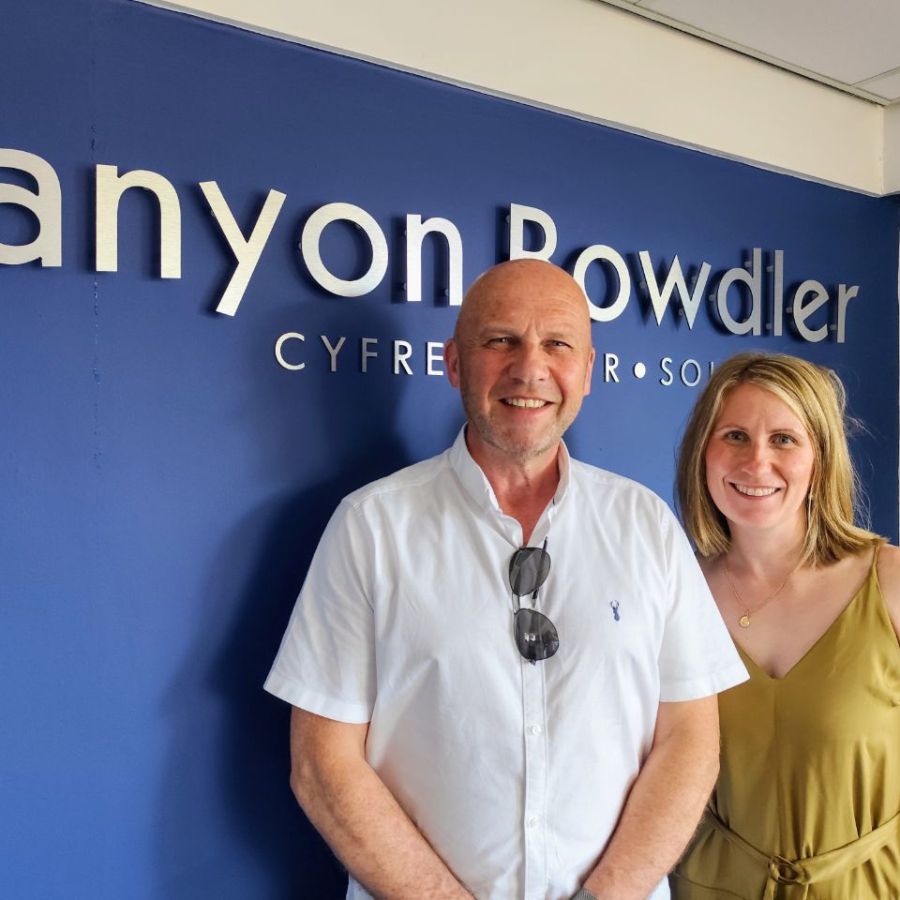
Ieuan Edwards
In 1983 farmers son Ieuan Edwards decided to leave the family farm to become a butcher. He served an apprenticeship in the beautiful market town of Llanrwst, before training in Switzerland and Holland to become a Master Butcher.
Training complete and inspired by a passion for great tasting food he filled his shop in Conwy with only the best award-winning delights.
Fast forward to today and Ieuan is proud to say Edwards is a firm family favourite on tables throughout Wales and beyond
Their products have won numerous awards, including Great Taste Awards, a Good Housekeeping prize and many more.
Transcription
[00:00:00 – 00:00:11] Introducer: This is the legal lounge from Lanyon Bowdler solicitors where you’ll hear about many aspects of law in England and Wales with special guests, industry experts and local charities.
[00:00:10 – 00:01:17] Katie: Welcome to Grounded in Agriculture, the show uncovering the often unseen connections between agriculture and the industries it feeds, fuels and shapes.
[00:01:16 – 00:01:42] Ieuan: Bore da, Katie. Yes, of course, and thank you for the kind invitation. I suppose I’ve got to turn the clock back to when I was about 12 or 13 years of age with my father holding court, as he did every supper time. But this supper was… Who was slightly different? Both my elder brothers were there, David, my eldest brother, who farms in a farm called Pen-y-Bryn.
[00:01:41 – 00:01:43] Katie: Nice.
[00:01:42 – 00:02:10] Ieuan: John, also an older brother, he farms in Bron-derw. My father announced, the farm isn’t large enough to sustain all three of you sons. And you being the youngest, Ieuan, you’ll have to go out and work somewhere else. So there I was, age 12 or 13, somewhere around that age, and I was redundant. You know, my first redundancy and only redundancy, I’m pleased to say, at the age of 13.
[00:02:09 – 00:02:12] Speaker 3: Before your working life had even started.
[00:02:11 – 00:02:32] Ieuan: Yeah, but then he went on to say, but I can’t have you idling around the place. I’ve found you a job at the local butcher’s as a Saturday boy, and I had never even thought about being a butcher you know. But my father knew what he was doing. He knew my heart in those days wasn’t in farming,
[00:02:31 – 00:02:33] Speaker 3: Okay.
[00:02:32 – 00:03:03] Ieuan: I never showed much interest, whereas my two older brothers were totally devoted to farming from such an early age. And I started at the butcher shop. Lo and behold, I found myself quite enjoying the banter, the interaction with the old family. But time is coming down on market day and I soon got into the swing of things. I wasn’t academically wired. You know, we are all wired differently.
[00:03:02 – 00:03:19] Ieuan: that’s something that’s missed in school, I think, at times. And I wasn’t academically wired. At the age of 16 or whatever it was, I ran out of school as fast as my little legs would carry me and into a full time job at the butcher shop.
[00:03:18 – 00:03:20] Speaker 3: The same butchers.
[00:03:19 – 00:04:27] Ieuan: Yeah, it was the G. Williamson’s son, in Llanrwst on the square. And I had a very traditional apprenticeship there, learning all aspects of the trade, including slaughtering, which is very unusual nowadays. At the age of 20, I had a routine. Every Thursday afternoon, I’d go home, have lunch with my mother. And I’d read the weekly news. I would always go to the commercial section to see what I could buy and sell because I did that naturally even in school and I think that’s what my father saw. He saw this guy who would sell bikes, fishing rods, you name it I would buy and sell it. So I obviously had this natural bent maybe towards business or retailing. And on this particular day I could see a commercial advert for a butcher shop in Conwy, a leasehold. I think the price was about twelve and a half thousand at the time. So I jumped in my car and I came to Conwy. Now Conwy… to us who live in Llanrws, they’re sort of a bit alien,
[00:04:27 – 00:06:36] Ieuan: be honest with you. You always went to either Colwyn Bay or Llandudno, never to Conwy. And I was walking around the place and I realised, well, this is a lovely little place. So I met the butcher, a lovely guy called Ivor Roberts, or Ivor Butch, as he was known. And within the hour, I bought the shop or the lease aged 20. So that evening… At supper time it was now my chance to make an announcement. So my father casually asked me, Ieuan, what have you been doing today on your half day? And I said, well, I’ve been to Conwy. To Conwy? As if I’d said I’d been to the other side of the moon. What were you doing there? And I said, well, I’ve just bought a butcher shop. Deadly silence. My father’s jaw sort of hit the deck almost. Well, how on earth are you going to pay for it? You haven’t even got collateral, and in those days I wouldn’t even know how to spell collateral, let alone understand its meaning. And I said, it’s alright, I’ve made an arrangement, to speak to Tom Williams in the bank, Midland Bank in those days, tomorrow. Well, I’m going to give you the same start in business as your grandfather, my father and my mother gave me, I’m going to give you 10 milking cows, he said. And I looked at my mother and I said, I wasn’t sure what a butcher was supposed to do with 10 milking cows. But anyway, my mother interjected and said, we’re going to give you the same money as 10 milking cows, she said. So I went to see the bank manager, knowing that I had this swag bag behind me. And he said, I’m sorry, and he said, you’re very young and for the bank to be comfortable in supporting you, you need to find another £2,000. No problem. And the bank manager in saying that, the rules of engagement were clear to all, weren’t they? So that following day, I placed an advert yet again in the good old weekly news that I’d bought the shop and I sold my car. It was a little Ford Fiesta, 1.3 Ghia, registration number BTU 136S and I got £2,500. So I was in business. So I went in, saw the bank manager and said. That’s the money, Mr Williams. Well, you couldn’t really say no then, could he?
[00:06:35 – 00:06:36] Speaker 3: No, no.
[00:06:35 – 00:06:59] Ieuan: So I started the business, and this is no reflection on the previous owner, but the shop was in serious need of repair. There was a lot of work that needed doing it, but there was an old Belfast sink in the corner fitted precariously on a couple of breeze blocks. It wasn’t much of a start, Katie. you see but it was a start
[00:06:58 – 00:07:28] Ieuan: It was my background not much to say to farming in those days obviously we’ve gone full circle which will come to in a moment no doubt um and that’s how I started in business I took my first employee on a guy called Dave Malloy and he’s still with me today 43 years later um in fact that’s one of the things I’m really proud of if I may be allowed to say, Katie, is that we had a luncheon last year at the Lance in Conwy and there were eight of us around the table. And there was 265 years of service between the eight.
[00:07:38 – 00:07:39] Speaker 3: Wow.
[00:07:38 – 00:07:44] Ieuan: They averaged 33 years each. I’m so grateful to them. Yeah, that’s the status.
[00:07:43 – 00:07:49] Speaker 3: Wow. So what was your vision at that point? Because this is very early on.
[00:07:48 – 00:08:01] Ieuan: Very early on, the vision actually was whatever came in front of me that day. That’s the truth. But. Fortunately, like I said, we’re all wired differently.
[00:08:00 – 00:08:01] Speaker 3: Mm-hmm.
[00:08:03 – 00:08:26] Ieuan: And hopefully one of my stronger points is that I do seem to have a natural understanding of what’s right and what’s wrong in business, thankfully. I just followed my instincts really and the people of Conway were very supportive. Some started implying someone else and someone else. Because I was a first generation butcher,
[00:08:25 – 00:08:26] Speaker 3: Yeah.
[00:08:25 – 00:08:45] Ieuan: I wasn’t shackled by the past. There’s none of this, oh, your grandfather did it and I’ve done it, so you’ve got to do it this way. You know, my father couldn’t help me one end of a butcher’s box to another. So that was great. So I looked for inspiration to the continent, actually,
[00:08:44 – 00:08:45] Speaker 3: Okay.
[00:08:44 – 00:08:58] Ieuan: which was slightly unusual all those years ago. And I went on a few courses to Switzerland. Lynde and to Utrecht in Holland because they were way ahead of us you know they were half chefs and half butchers you
[00:08:57 – 00:08:58] Speaker 3: Right.
[00:08:57 – 00:09:16] Ieuan: know they were doing cooked food as well as raw you know and I came home and I could see all this sawdust on the floor dirty aprons and I thought it’s got to be a better way you know so obviously we started exploring that and started introducing a lot of new products marinades type
[00:09:15 – 00:09:17] Speaker 3: Mm-hmm.
[00:09:16 – 00:09:38] Ieuan: of thing which was quite new in those days especially in a in a in a private butcher shop and then obviously i wanted to expand and the good old barclays bank they were downsizing they were going the opposite way from a corporate building to a more of a custom facing friendly shop fronts
[00:09:37 – 00:09:38] Speaker 3: Yep.
[00:09:37 – 00:10:44] Ieuan: my current butcher shop is a beautiful building even if I say so myself sandstone and you know we we did change some of the frontal portal and that type of thing to have it a more balanced look but it was a beautiful building nonetheless it came up for sale Mr James Jackson was the agent I remember well and in those days there was no tunnel in Conwy so you had and his offices were in Llandudno so he would have to go around the block in Conwy if you like and I could see him there with a guy putting a sign up he jumped in his car and he’d started going around the block so I ran with my hat and apron like the clappers down the high street and I caught him at the bottom And I waved him down. What he must have thought, this mad butcher waving him down in the middle of the street, wound down his windows, no electric windows in those days even, years, and said, I believe you’re selling the Barclays Bank building suggestion. Yes, sir. I asked him what he was asking for it. And it was about fifteen thousand cheaper than what I thought it was worth.
[00:10:43 – 00:10:44] Speaker 3: Ah.
[00:10:43 – 00:10:58] Ieuan: So I immediately stuck my hand through his window and said, said i’ll take it that must have been the fastest bit of commission that agent had done in his life because all he did was drive around the block that opened so many doors circuit you
[00:10:57 – 00:10:58] Speaker 3: yeah and
[00:10:57 – 00:10:59] Ieuan: know it’s
[00:10:58 – 00:11:01] Speaker 3: it’s a beautiful location it’s a real standout
[00:11:00 – 00:11:02] Ieuan: in the mountains
[00:11:01 – 00:11:02] Speaker 3: isn’t
[00:11:01 – 00:11:02] Ieuan: really
[00:11:01 – 00:11:02] Speaker 3: it
[00:11:01 – 00:11:02] Ieuan: it’s
[00:11:01 – 00:11:03] Speaker 3: it’s yeah
[00:11:02 – 00:11:21] Ieuan: it’s in the middle of the high street it is nice you know and it’s a lovely building you know and i started asking myself well how can i sell this meat in different ways you know on the On the bone, off the bone, in a marinade, plain, in a sandwich, in a pie, hot food counter. And in 1995, again, this was fairly ahead of its time, but I’d seen it on the continent and it worked. And we started employing chefs as well as butchers and bakers as well.
[00:11:30 – 00:11:32] Speaker 3: Mm-hmm.
[00:11:31 – 00:11:35] Ieuan: Again, unusual for a butcher to do. The concept worked.
[00:11:34 – 00:11:35] Speaker 3: Yeah.
[00:11:34 – 00:12:16] Ieuan: Then around the year 2000, supermarkets started talking about regional food. And I was thinking, hmm. If they’re talking about regional food, that must mean that they’re going to have to start talking to little guys like me because we’re the ones that make regional food. So I contacted them and I contacted whilst developing HSE and Conwy Council and they were… really helpful. Everybody, the supermarkets, everybody. And I took the plunge. I built, with the help of grants, European money, otherwise I wouldn’t have been able to expand. I built four units in Conway again,
[00:12:15 – 00:12:16] Speaker 3: Mm-hmm.
[00:12:15 – 00:13:09] Ieuan: took unit one over myself and rented the other three out. And just started and my only customer was the… So, and then as they came on board they were the first, then Tesco and we had four stores with Asda. Now I’m pleased to say we’ve got about 800 stores. in so little with all the major supermarkets and we’re national with Ocado you know the business grew from from there really it’s been a very interesting journey because obviously we’ve had I’ve had to learn so many new because since I didn’t go to college or anything you know it’s been quite a lot of on-the-job training you know and having to put a financial hat on having to put a marketing hat on having to put a HR hat on and But throughout it all, what’s been one of my moral compasses is just to treat people with respect.
[00:13:09 – 00:13:10] Speaker 3: Mm-hmm.
[00:13:09 – 00:13:17] Ieuan: Just put yourself in the other person’s shoes and just what would they like to hear,
[00:13:16 – 00:13:17] Speaker 3: Mm
[00:13:16 – 00:13:17] Ieuan: what would
[00:13:16 – 00:13:17] Speaker 3: -hmm.
[00:13:16 – 00:13:42] Ieuan: they like to buy and how would they like to buy it, you know? We grew, we exported to Malaysia now, to Hong Kong. I love the factory, but my heart is still in the shop somehow. You know, I seem to be going back to basics. You know, I’m there quite a lot of the time now because it’s turned full circle because my son Sean,
[00:13:41 – 00:13:42] Speaker 3: Yeah.
[00:13:41 – 00:14:03] Ieuan: my favourite son, the fact that he’s my only son has got nothing to do with that. I’ve joined the business now after drinking lager for three years in Aberystwyth University. It’s great that the next generation now, that’s what I will be concentrating now, is trying to make that a success because that’s the most important challenge that
[00:14:02 – 00:14:04] Speaker 3: Yeah.
[00:14:03 – 00:14:29] Ieuan: I am currently facing. In fact, I contacted a number of… colleagues within the industry whom I knew had gone through that very process Yeah. so it’s all about learning and it’s all about doing your homework you should always do your homework so I did that quite a bit before he joined us and so so far so good he’s been with us about 18 months now and we haven’t had a row yet yeah
[00:14:28 – 00:14:31] Speaker 3: That’s impressive. Yeah.
[00:14:30 – 00:14:32] Ieuan: yeah
[00:14:31 – 00:14:35] Speaker 3: Going back to those early years, what would you say?
[00:14:35 – 00:14:37] Katie: were your biggest challenges?
[00:14:36 – 00:14:42] Ieuan: Well, you know, Katie, we were, I was young, I was, you
[00:14:41 – 00:14:42] Speaker 3: They
[00:14:41 – 00:14:42] Ieuan: know, I were was all full
[00:14:41 – 00:14:43] Speaker 3: problems you could overcome.
[00:14:42 – 00:14:50] Ieuan: of the va-va-voom, you know, and we sort of, you’re almost blind to certain things, really,
[00:14:49 – 00:14:50] Speaker 3: It’s
[00:14:49 – 00:14:50] Ieuan: when you’re
[00:14:49 – 00:14:51] Speaker 3: a good
[00:14:50 – 00:14:51] Ieuan: just
[00:14:50 – 00:14:51] Speaker 3: thing, really, isn’t
[00:14:50 – 00:14:51] Ieuan: so
[00:14:50 – 00:14:52] Speaker 3: it?
[00:14:51 – 00:15:00] Ieuan: focused and just do the basics right and do them consistently, you know, I honestly think that the difference between
Part 2 [00:15:00]
Speaker mapping:
Introducer (Speaker 0) = diarization label A
Katie (Speaker 1) = diarization label B
Ieuan (Speaker 2) = diarization label C
Speaker 3 = diarization label D
Speaker 4 = diarization label E
Speaker 5 = diarization label F
Speaker 6 = diarization label G
Speaker 7 = diarization label H
Speaker 8 = diarization label I
[00:15:00 – 00:15:10] Introducer: Someone who succeeds and someone who maybe falters is the word discipline. you’ve got to do the basics but you’ve got to do them right all the time and
[00:15:09 – 00:15:11] Katie: Mm-hmm.
[00:15:10 – 00:15:35] Introducer: never lose sight of those if we get a complaint in the business now irrespective of the size of the business i’m in it i want to know what happened what went wrong and how can we you know and it’s that passion really challenges yes we get challenges all the time i actually had my biggest challenge last year believe it or not after 42 betrügerische Business. I nearly lost the factory.
[00:15:34 – 00:15:36] Ieuan: Gosh.
[00:15:35 – 00:15:37] Introducer: That’s sobering, Katie,
[00:15:36 – 00:15:37] Ieuan: Yeah.
[00:15:36 – 00:15:41] Introducer: you know. We used to supply a large company, HelloFresh,
[00:15:40 – 00:15:41] Ieuan: Ah,
[00:15:40 – 00:15:42] Introducer: the Bosch
[00:15:41 – 00:15:42] Ieuan: yes, yeah,
[00:15:41 – 00:15:42] Introducer: company.
[00:15:41 – 00:15:43] Ieuan: boxes, yeah.
[00:15:42 – 00:16:00] Introducer: It’s a £5 million order, you know. We lost it after six years, you know. We had to restructure the factory. What was really upsetting was that we lost 23 great colleagues, you know. And what you’ve got to realise is they’re very dependent on you in so many ways.
[00:15:59 – 00:16:00] Speaker 3: ways.
[00:15:59 – 00:16:18] Introducer: And this is the kicker. they had done nothing wrong yeah and because they decided I would be the stop gap if you like if somebody wasn’t happy with being chosen so if you’re that person you can be involved in the picking of people so
[00:16:17 – 00:16:19] Speaker 4: No, no.
[00:16:18 – 00:16:58] Introducer: I had no idea who was saying and who was going that was awful and I’ll never forget I was in the shop I won’t name him obviously but this guy had been with me for 20 years Yes, and he came to the shop; I had no idea he had been made redundant. He shook my hand, and he thanked me for twenty years of wages, while if I felt bad before! You know, but you should feel bad. It should be emotional, something like that. You know, it needs to hurt and you need to do everything you can. I was really fortunate actually. A friend of mine in a similar industry, in the food industry, was taking on a lot of staff at the time.
[00:16:57 – 00:16:59] Speaker 5: Yeah.
[00:16:58 – 00:17:32] Introducer: He gained a contract. So I was able to place a lot of the team, you know, which brought me some. Oh, relief. We were losing so much money last year, you know. It was quite an experience. But, Katie, you go again. And I say that word do not underestimate the importance of the words when you’re in business of you go again. Because that is what you need to do. That is what is expected of you if you run a company.
[00:17:31 – 00:17:32] Speaker 6: Hmm.
[00:17:31 – 00:18:00] Introducer: You go again. You know, and the skeleton team we had left still had around 50 odd staff there, but we sat down, we questioned what we were doing, how we were doing things. And I love the English saying, actually, even though Welsh is my first language, it’s always darkest before dawn, you know. And again, I… I remember that when things are tough, you
[00:17:59 – 00:18:00] Speaker 7: Mm
[00:17:59 – 00:18:01] Introducer: know, always
[00:18:00 – 00:18:01] Speaker 7: -hmm.
[00:18:00 – 00:18:20] Introducer: darkest before dawn and you go again. And this year, believe me or believe me not, we are going to have our busiest year ever in business. we’ve grown by about seven to eight million this year
[00:18:19 – 00:18:21] Speaker 8: Wow.
[00:18:20 – 00:18:40] Introducer: and that’s all down to the team that’s business sometimes you go from the sublime to ridiculous and hopefully you come out the other end you know this time last year or a couple of months ago we were in a dark place you know we were wondering how we were going to get out of this out hole you know but again you go again
[00:18:39 – 00:19:09] Speaker 8: You go again. You’ve touched on the fact that obviously you’ve got super more contracts. Edwards is an international brand now. Where do you start with building a brand that eventually has the reach that you’ll do? You sounded quite modest before when you mentioned almost as if the supermarket opportunity had come and as if you were quite fortunate, but they don’t pick you. out of, you know, a favour, there’s a reason that they’ve gone with you and continued with you.
[00:19:08 – 00:19:35] Introducer: You’ve got to realise that you’ve always got to earn your place on that shelf. The supermarkets do not have to give you an order. They’re sometimes judged harshly, in my opinion. Oh, they should do more to support. They do support. And it’s up to us as a supplier. To give them what both our customers need and want at a price that’s acceptable to all parties.
[00:19:34 – 00:19:35] Speaker 8: Okay.
[00:19:34 – 00:19:58] Introducer: That’s the challenge. You know, you’ve got to stay true to who you are, what you are. You know, our products very much are butcher’s products because that’s what they are. That’s what we sell them as. They’re butcher’s recipes. They’re butcher’s products. They’re near enough the same recipes as we use in the shop. It’s just that the machines are bigger.
[00:19:57 – 00:19:58] Speaker 8: Yeah.
[00:19:57 – 00:20:09] Introducer: We’ve got one sausage machine that can make 500 sausages a minute, you know, which is ridiculous. You know, they come out at the end of it as a… almost like a full unbroken line they come out
[00:20:08 – 00:20:09] Speaker 8: Yeah,
[00:20:08 – 00:20:24] Introducer: so fast yeah. whereas in the shop we still make sausages in the shop actually and link them by hand you know things have changed obviously when i first started we used to cut every single individual sausage with a pair of scissors you
[00:20:23 – 00:20:24] Speaker 8: With the
[00:20:23 – 00:20:25] Introducer: know
[00:20:24 – 00:20:25] Speaker 8: bigger
[00:20:24 – 00:20:25] Introducer: yeah
[00:20:24 – 00:20:26] Speaker 8: orders as well.
[00:20:25 – 00:20:55] Introducer: yeah yeah the supermarket orders you know four or five is around the table with a scissors in one hand the sausage in there and cutting each one one but now obviously everything’s fully automated thank the lord um obviously we are as a company looking at ai and how we can improve efficiencies but because quite often your margin will lie in reducing costs not in increasing prices And that’s what we should be doing.
[00:20:54 – 00:20:55] Speaker 8: Yeah.
[00:20:54 – 00:21:17] Introducer: You know, you just can’t keep putting your prices up to the supermarkets and therefore them to the customers. You’ve got to be competitive. So we’re always looking for. efficiencies Yeah. easier in the factory than the shop the shop is very much an artisan we still buy everything in carcass form so we have actual butchers it’s not a case of just opening a bag in my shop
[00:21:16 – 00:21:17] Speaker 8: No.
[00:21:16 – 00:21:38] Introducer: and slicing the anatomy of the animal there’s a lot of work to become a master butcher it really is four to five years of intensive training understanding the skeletal of each animal and understanding that understanding the manufacturing side of things but it’s also interesting you know
[00:21:37 – 00:21:38] Speaker 8: Yeah.
[00:21:37 – 00:21:38] Introducer: we’re
[00:21:37 – 00:21:39] Speaker 8: Do you have much waste?
[00:21:39 – 00:22:05] Introducer: very fortunate in that we because we make so many products meat now is so expensive you know as you’re farming listeners will know especially beef and lamb not so much on Some pork with beef and lamb are making a strong price in the marketplace. This may sound a… strange thing to say but i don’t mind that because every part of the industry needs a piece of the cake
[00:22:04 – 00:22:05] Speaker 8: Yeah.
[00:22:04 – 00:22:11] Introducer: from time to time you know they need to have that extra profit in order to invest and to move forward
[00:22:10 – 00:22:19] Speaker 8: How important has your Welsh identity been to your success? Because Edwards of Conway is very much a Welsh brand.
[00:22:19 – 00:22:27] Introducer: pussy gown very important really important without that you know being silly about it you
[00:22:26 – 00:22:27] Speaker 8: Mm
[00:22:26 – 00:22:57] Introducer: know we have a number of Welsh speakers we need to do more actually unfortunately my marketing department that’s one thing because you know you look at what you’re doing you say right that needs to be improved so we need to do a lot more bilingual marketing so that is going to come on stream the next over the next three month period you know speaking of marketing you know it’s funny how things change over the years isn’t it you know you just go Just going back five or ten years ago, there was no such thing as an influencer, you know, and
[00:22:56 – 00:22:58] Speaker 8: They’re everywhere
[00:22:57 – 00:22:58] Introducer: yeah,
[00:22:57 – 00:22:58] Speaker 8: now, huh?
[00:22:58 – 00:24:09] Introducer: and, you know, we’ve had a very, very positive. experienced with a guy called Kalani and he’s got about three million followers and this fellow he came into the shop one day he’s a he’s an American big guy hell of a nice fella with a cowboy hat on and he said gee I want sausage rolls I want to try one of these sausage rolls and we just sold him a sausage roll I’d be honest I didn’t know him from Adam Next minute the phone was ringing off the hook. We were getting people driving all the way from Manchester buying 40 sausage rolls. It was unbelievable and we’re now in the shop truthfully because of this guy tweeting and social media and he he said this is the best sausage roll in the world and and and he brought his father over uh the following week or something whatever it was to introduce him to the sausage roll and all this and anyway the sausages we’re selling 1200 sausage rolls a week weak in the shop now it’s just incredible so you’ve got to be open to new concepts new ideas
[00:24:08 – 00:24:09] Speaker 8: Yeah.
[00:24:08 – 00:24:13] Introducer: up until this yes i paid certain lip service to
[00:24:12 – 00:24:13] Speaker 8: Yeah.
[00:24:12 – 00:24:22] Introducer: what was going on but not much if i’m truthful so now we’re all about that now thinking right there’s there’s there’s something in this
[00:24:21 – 00:24:22] Speaker 8: Yeah,
[00:24:21 – 00:24:22] Introducer: you
[00:24:21 – 00:24:22] Speaker 8: there is.
[00:24:21 – 00:24:52] Introducer: know providing you get the right influencer um so you know we’ve We want to see how we can introduce that into the factory and work alongside somebody. And so it’s all changed. And that’s what this rich tapestry in business, you know, you open your mind to new things and new ways of doing. It’s always interesting. It never gets boring, you know. That’s the latest manifestation on the marketing front.
[00:24:51 – 00:24:55] Speaker 8: You wouldn’t think. And thinking about that when you bought the shop all those years ago.
[00:24:54 – 00:25:32] Introducer: Well, even five years ago, you know, I would have wouldn’t have known what you were talking about, you know, so it’s all change. Glad to see, as I said, my son in the business now. So we’re trying to put an infrastructure in place because one of the. I wouldn’t say negatives or downsides of almost zero movement in staff in the butcher shop is that we’re all of a certain vintage now. Every one of us, you know, we’re in our 60s. So all of a sudden, you know, there’s going to be a mass exodus, you know, so we’ve got to start preparing for that now, not when it happens.
[00:25:31 – 00:25:44] Speaker 8: So is succession something you’re planning at the moment? Has it been? in the pipeline for a while or how does that even look in in the business that you’ve got because there’s so many different aspects to it
[00:25:43 – 00:26:02] Introducer: succession is quite a topic i’ve seen it quite often in the agriculture industry actually where some sons or daughters take over and they’re so enthusiastic and they do a brilliant job and it’s like duck to water others take it over because it’s expected
[00:26:01 – 00:26:03] Speaker 8: It
[00:26:02 – 00:26:03] Introducer: of
[00:26:02 – 00:26:03] Speaker 8: does,
[00:26:02 – 00:26:03] Introducer: them
[00:26:02 – 00:26:03] Speaker 8: yeah.
[00:26:02 – 00:26:08] Introducer: they’re never really happy really deep down and
[00:26:07 – 00:26:09] Speaker 8: Yeah.
[00:26:08 – 00:26:33] Introducer: unless you’re committed to something you’ll never be any good at it you’ll be okay at it you might be immediate you’ll get by but you will never excel and in business nowadays you need to try and excel if you can because that’s the only way to move forward you know so i’m very careful with sean actually i genuinely haven’t put any pressure on him i’m
[00:26:32 – 00:26:33] Speaker 8: okay
[00:26:32 – 00:26:41] Introducer: seeing where it goes i’m trying to support him i’m trying to give him the good and the bad experiences
[00:26:40 – 00:26:44] Speaker 8: yeah so that he knows what he’s facing
[00:26:43 – 00:26:44] Introducer: absolutely
[00:26:43 – 00:26:45] Speaker 8: then yeah
[00:26:44 – 00:26:53] Introducer: but you know in any position or job that you’re in you know there’s always good and bad there’s
[00:26:52 – 00:26:53] Speaker 8: Yeah.
[00:26:52 – 00:27:29] Introducer: always good days and bad days there’s no such thing as this utopia you know it just doesn’t exist you know you’ve got to be realistic about it but you know katie you’ve always got to remember one thing the only guy that can give you bad news in this world is your doctor everything else is just nonsense of life you can lose your partner you can lose your business but you go again there’s only a doctor that can give you bad news when it really hits the fan you know and you’ve got to have that kind of outlook in
[00:27:28 – 00:27:29] Speaker 8: Yeah.
[00:27:28 – 00:27:32] Introducer: life and you go again
[00:27:31 – 00:27:39] Speaker 8: What’s exciting you about the future of Edwards? I don’t know, I feel like what’s left? Is it the fact that it’s being passed on to the next generation?
[00:27:39 – 00:28:12] Introducer: the best is yet to come is nate hating you know moving on because i’m sure we will it’s turn full circle really gosh 12 months or 14 months ago now I bought a small farm estate in Llanrwst so I’ve become now at the age of 64 a farmer much to a lot of people’s enjoyments and teasing so I’m now busy looking at that and developing that there’s some properties on on this small estate so we’ve been renovating those so we’ve also gone into the holiday let business
[00:28:11 – 00:28:13] Speaker 8: Right.
[00:28:12 – 00:28:15] Introducer: so plasma duck sand roast i
[00:28:14 – 00:28:16] Speaker 8: There we go.
[00:28:15 – 00:28:21] Introducer: can’t see anything like a plug is there and they’re lovely actually it’s a very very special place um
[00:28:20 – 00:28:23] Speaker 8: Well, Sam Roast is lovely, isn’t it?
[00:28:22 – 00:28:41] Introducer: well the the estate you wouldn’t know it was there actually and there’s some amazing sea planting that’s taken place 200 years ago it is out of this world honestly i i know i’m being biased probably but it needs caring for it needs looking Looking after
[00:28:40 – 00:28:41] Speaker 8: Yeah.
[00:28:40 – 00:29:00] Introducer: funny story actually, I’ve rented it for 12 months to a friend of mine, Raymond, literally 10 minutes before I came on air with you guys, he was on the phone. Yeah, and he said, we’ve got problems with these fencing. 20 other cattle have gone into this guy’s garden and they’ve created havoc. So as soon as this podcast is over,
[00:28:59 – 00:29:01] Speaker 8: That’s
[00:29:00 – 00:29:01] Introducer: guess
[00:29:00 – 00:29:01] Speaker 8: what you’re doing.
[00:29:00 – 00:29:04] Introducer: where I’m going? You know, that’s another something else to
[00:29:03 – 00:29:04] Speaker 8: Yeah.
[00:29:03 – 00:29:06] Introducer: sort out, you know, but it’ll come.
[00:29:05 – 00:29:06] Speaker 8: Yeah.
[00:29:05 – 00:29:39] Introducer: There’s some fantastic estate fencing there, you know, and they’re in quite a state, but we need to reinstate them, you know, because it’s part of… The look of the place, the feel of the place. Some of the biggest trees in Wales are there. It needs looking after. The thinking is, as the months go by, I’ll either go into some form of partnership with my niece, who’s had two of the fields as a starting business as a farmer, to supply the shop with cattle,
[00:29:38 – 00:29:39] Speaker 8: Let me.
[00:29:39 – 00:29:55] Introducer: especially cattle and some lambs maybe. but definitely cattle indigenous breeds and because the land hasn’t really been farmed in the modern sense for many many years i want to be very careful in what we do to the place because
[00:29:54 – 00:29:56] Speaker 8: Yes.
[00:29:55 – 00:30:00] Introducer: the place is full of clover at the moment and you know different herbs
[00:29:59 – 00:30:00] Speaker 8: Yeah.
[00:29:59 – 00:30:00] Introducer: and
Part 3 [00:30:00]
Speaker mapping:
Introducer (Speaker 0) = diarization label A
Katie (Speaker 1) = diarization label B
Ieuan (Speaker 2) = diarization label C
[00:30:00 – 00:30:11] Introducer: Truly, we’ve got a beehive there. So we’ll be putting some of the honey into some of our ingredients. You know, there’s wild garlic there everywhere certain times of the year, obviously.
[00:30:10 – 00:30:11] Katie: Yeah.
[00:30:10 – 00:30:23] Introducer: So we hope to be introducing products in the shop using the wild garlic from the farm and that type of thing, you know, because I think the future, Katie, is about selling goodness,
[00:30:22 – 00:30:23] Katie: Yeah,
[00:30:22 – 00:30:24] Introducer: not
[00:30:23 – 00:30:24] Katie: very much.
[00:30:23 – 00:30:24] Introducer: just
[00:30:23 – 00:30:25] Katie: Yeah.
[00:30:24 – 00:30:37] Introducer: product. You know, we need to. bang on about the importance of meat to be blunt with you and the iron and all the goodness that can be had from it you know
[00:30:36 – 00:30:43] Ieuan: And people are looking more as to where their food is coming from now and the health benefits of things,
[00:30:42 – 00:30:43] Introducer: obviously
[00:30:42 – 00:30:44] Ieuan: aren’t they?
[00:30:43 – 00:31:05] Introducer: there’s a lot of negativity about the environmental and they’re blaming the poor old cow for everything you know and you’ve got to Take things into perspective. I mean, just look back at history. 300 years ago in America, there were 70 million bison roaming the plains. That’s down to 5 million now.
[00:31:04 – 00:31:05] Ieuan: Hmm.
[00:31:04 – 00:31:12] Introducer: But they’ve been replaced by 70 to 75 million cows and beef cattle. But bison is a much bigger animal.
[00:31:11 – 00:31:13] Ieuan: Mm-mm.
[00:31:13 – 00:31:30] Introducer: The greenhouse effect 300 years ago in America was substantially more than it is now, even though everybody’s on their soapbox pointing fingers, you know. They’ve got to realise that grasslands, they… capture carbon 24 hours a day
[00:31:29 – 00:31:31] Ieuan: Yeah,
[00:31:30 – 00:31:53] Introducer: on soil erosion it’s hugely important we need to bang the drum as an industry about this and as environmentalists about this it’s so important and people really miss that point there’s a big job to be done there actually in getting the correct message out And obviously social media being what it is now, people are influenced.
[00:31:52 – 00:31:54] Ieuan: Yeah, they’re definitely,
[00:31:53 – 00:32:02] Introducer: They’re influenced 24 hours a day now, you know, it’s not nine o’clock watching the news and you know, it’s 24 hours,
[00:32:01 – 00:32:02] Ieuan: well,
[00:32:01 – 00:32:02] Introducer: you know.
[00:32:01 – 00:32:06] Ieuan: as was demonstrated with your example of your influencer earlier, such
[00:32:05 – 00:32:07] Introducer: Absolutely, you know.
[00:32:06 – 00:32:08] Ieuan: a lot of power is in their hands.
[00:32:07 – 00:32:15] Introducer: Yeah, yeah, absolutely. But I mustn’t forget my, I’ve also got two other children, two daughters. Wel,
[00:32:14 – 00:32:16] Ieuan: And what do they do?
[00:32:16 – 00:32:41] Introducer: Cadi, mae eldest, actually. Today is her last day on a four-month contract. She’s been reading the news in ITV Wales on Good Morning Britain. She’s been doing that, Cadi Gwynedd. So Cadi’s a linguist. She is academically minded, unlike her old man. Yeah, very proud of Cadi. She is fluent in four languages. When
[00:32:40 – 00:32:42] Ieuan: Yeah.
[00:32:41 – 00:33:02] Introducer: I ran out of school age, 15 or whatever, she walked into Cambridge Fair Place, so very proud of Cady’s achievements. And Erin, my youngest, she’s showing a lot of… business acumen actually she’s currently in Cardiff uni doing a teacher’s course for
[00:33:01 – 00:33:02] Ieuan: Okay.
[00:33:01 – 00:33:25] Introducer: primary school but she’s working in the shop she was in the shop yesterday at seven in the morning nothing like a bit of work gives them focus you know too many youngsters have got too much time on their hands you know you need to get up in the morning and then you need to have a reason for getting up you know you feel better for it and she was coming with me to me and she has been over the last month with new ideas you know about
[00:33:24 – 00:33:26] Ieuan: Brilliant.
[00:33:25 – 00:33:33] Introducer: things to do and I was discussing some of them with our marketing guy yesterday you know and that’s lovely
[00:33:32 – 00:33:33] Ieuan: Yeah.
[00:33:32 – 00:34:03] Introducer: to see it’s lovely to see your children develop and become something else like I said last We cause fortune enough to go cycling with my son to Tuscany. Sean’s 23 now and it was great that he was taking over, sorting things out, charging the bikes up and going to the reception, you know, and whereas before obviously there was the parents job, you know, so transition is already taking place, I think. What about the rest of the family?
[00:34:02 – 00:34:05] Ieuan: What about the rest of the family? Are they involved at all?
[00:34:04 – 00:34:58] Introducer: Well, yes, three children, as I said, Sean, Cathy, my eldest, and Erin, my youngest, but obviously there’s another lady in my life, Cath, my wife. She’s been obviously instrumental to the business and to the family over the years, and a teacher by profession, actually, but she hasn’t taught for many years. She has a huge amount of common sense, and that’s one of the virtues you look for. in running a business and so she’s been involved in the business in various capacities over the years and the latest project she’s been heavily involved in buying the estates renovating two of the houses that’s on it and starting the holiday let business and really that’s cat’s baby if I’m honest she’s been championing that side of the business But we’re a good team.
[00:34:57 – 00:34:59] Ieuan: She sounds like a lady of many talents.
[00:34:59 – 00:35:01] Introducer: Yes, absolutely.
[00:35:00 – 00:35:04] Ieuan: I would like to ask you a couple of more challenging questions,
[00:35:03 – 00:35:05] Introducer: Oh,
[00:35:04 – 00:35:05] Ieuan: if
[00:35:04 – 00:35:05] Introducer: cool.
[00:35:04 – 00:35:06] Ieuan: that’s all right.
[00:35:05 – 00:35:08] Introducer: Yeah. I’ll just say no if I don’t like them, go
[00:35:07 – 00:35:21] Ieuan: That’s fine. You’re welcome to. How would you assess the current health? of Welsh agriculture, particularly given that you’ve been farming at the moment or getting into farming. You’ve been in retail, you are in retail.
[00:35:20 – 00:35:24] Introducer: I can pass judgement or comments maybe on my sector.
[00:35:23 – 00:35:24] Ieuan: Yeah.
[00:35:23 – 00:36:05] Introducer: It’s too early for me, even though obviously I’m a farmer’s son and I’ve sort of had association with farming throughout my career, but it’s only now that I’m getting under the skin of it and understanding policy and understanding. what the challenges are it’s not just about the cows breaking the fence and going to the next door neighbour you know there’s there’s such a lot more to it so i think i’ll have to be guarded in what i say about farming what i would say is what i said earlier is that we have got an incredibly positive message to relay to the public about how we farm what we farm And what we sell,
[00:36:04 – 00:36:05] Ieuan: Mm
[00:36:04 – 00:36:06] Introducer: both
[00:36:05 – 00:36:06] Ieuan: -hmm.
[00:36:05 – 00:36:15] Introducer: meat and non-meat, and we need to champion that. We seriously need to give that a phenomenal amount of attention,
[00:36:14 – 00:36:15] Ieuan: Mm
[00:36:14 – 00:36:16] Introducer: especially
[00:36:15 – 00:36:16] Ieuan: -hmm.
[00:36:15 – 00:36:55] Introducer: over the next five or ten years. We need to write our destiny, not let the anti-influences of our industry do so. And, you know, these guys are influencing people of power. And it concerns me that the people of power, they flip and flop by whatever the trend is at the moment quite often. And that does concern me. You know, these guys who are in politics. They’ve got a serious degree of importance in how they are changing of policy and that type of thing. They’ve got to get it right.
[00:36:54 – 00:36:56] Ieuan: Oh yeah,
[00:36:55 – 00:36:56] Introducer: And
[00:36:55 – 00:36:57] Ieuan: definitely.
[00:36:56 – 00:37:43] Introducer: they’ve also got to get it right for the long term. None of this nonsense over the next 12 months we want this. No, what’s your medium to long term plan? You know, that’s the roadmap. And, you know, what are the benefits? and how do we achieve that you know providing we’re making steady progress forward it doesn’t matter if it takes another five or ten years we’re going in the right direction so as far as my industry is concerned i think it’s a good place to be in because when that food cupboard is empty you’ve got to fill it you know you can’t ignore it we can all make our cars last another five years should we wish to We can all wear the same clothes for another couple of years should we wish to, but
[00:37:42 – 00:37:44] Ieuan: Mm-hmm.
[00:37:43 – 00:38:08] Introducer: that cupboard’s empty, you’ve got to fill it, you know, and that’s a huge strength of our industry, not to be complacent about it, however, but I think that we need to get the messaging right. I think we need to do all that we can. For the environment as well, why wouldn’t you replant more hedgerows, you know, be careful when you’re cutting those hedges, as we do.
[00:38:07 – 00:38:09] Ieuan: Yeah, yeah,
[00:38:08 – 00:38:12] Introducer: We have to have a degree of practicality as well in farming,
[00:38:11 – 00:38:12] Ieuan: yeah.
[00:38:11 – 00:38:23] Introducer: you know, because you’re governed by so many things. You’re governed by the seasons, you’re governed by the weather. So you window sometimes have opportunity to carry out certain tasks.
[00:38:23 – 00:38:24] Ieuan: Very small.
[00:38:24 – 00:38:25] Introducer: It’s small,
[00:38:24 – 00:38:25] Ieuan: Yeah.
[00:38:24 – 00:38:47] Introducer: you know, and so you have to have a leeway there. Some of the biggest challenges in my industry is to about. A number of other industries which are hands-on. Tony Blair, God bless him, he was keen for every man and his woman and his dog to go to college. Academia is not for everybody.
[00:38:46 – 00:38:48] Ieuan: No, it’s not, no.
[00:38:48 – 00:39:14] Introducer: Nor should it be. Apprenticeships, as they do in Germany, is definitely the way forward for a lot of people. Because trust me when I say this, if I put an advert in for an admin job, for example, not… But not declining that by any means. We’ll get about 30 or 40 applicants, no problem. If I put an advert in for a master butcher or a master baker, I get bus drivers applying for it. It’s simply not there.
[00:39:13 – 00:39:14] Ieuan: No.
[00:39:13 – 00:39:41] Introducer: So we’ve got a huge task now for the brickies, the plumbers, the electricians. I think the plumbers and electricians are ahead of us in the meat industry, if I’m honest. Because they’re paying better wages, we need to make sure that our businesses are profitable enough so that we are paying what these guys and girls genuinely deserve.
[00:39:40 – 00:39:41] Ieuan: Yeah.
[00:39:40 – 00:39:51] Introducer: Because in the past, they’ve not been paid, they’ve not been appreciated for what they do. You know, it’s four to five years apprenticeship to be a butcher, you know. Ah, chocolate meat. No, you don’t.
[00:39:50 – 00:39:51] Ieuan: No.
[00:39:50 – 00:39:55] Introducer: You understand skeletal, you understand manufacturing done properly.
[00:39:54 – 00:39:55] Ieuan: Yeah.
[00:39:54 – 00:40:20] Introducer: It’s quite a job. It’s attracting new people into the industry and paying the people the right wages moving forward. That’s what I’m going to be concentrating on over the next couple of years, five year period, because that’s what we need to do. And we’ve got to own it. You know, there’s no point ignoring that fact. That’s a real fact. So those are the challenges, I think.
[00:40:19 – 00:40:45] Ieuan: There is one other that I wanted to ask you about, which is particularly relevant to your industry, is the abattoir closures and the sort of bottleneck that that’s causing. I know that many people are having to send animals. across the border miles and miles and miles away what impact do you think that is having on the industry clearly not a good one is it something that you’re feeling the pressure of or
[00:40:44 – 00:41:01] Introducer: That’s possibly one of the most important topics that we’ve discussed today. I have no idea what DEFRA are playing at. They’ve got and have had for so many years this. Policy, yes, everywhere has to be hygienically clean, obviously it’s
[00:41:00 – 00:41:02] Ieuan: Mm-hmm.
[00:41:01 – 00:41:13] Introducer: food, but if there’s a crack tile somewhere in a corner, they’ll put so much emphasis on that instead of testing that carcass. When it leaves that premises for
[00:41:12 – 00:41:13] Ieuan: Mm-hmm.
[00:41:12 – 00:41:15] Introducer: microbes, you know,
[00:41:14 – 00:41:15] Ieuan: Yeah.
[00:41:14 – 00:41:16] Introducer: that’s the test.
[00:41:15 – 00:41:16] Ieuan: Okay.
[00:41:15 – 00:41:22] Introducer: Are they, is this place clean? Are they slaughtering properly? You know, how clean is that carcass?
[00:41:21 – 00:41:22] Ieuan: Yeah.
[00:41:21 – 00:41:28] Introducer: We used to in the good old days used to use cloths to dry the carcasses.
[00:41:27 – 00:41:29] Ieuan: Right.
[00:41:28 – 00:41:37] Introducer: Bacteria needs, one of the things it needs to multiply is moisture. Now all they do is spray water. To try and clean it off.
[00:41:36 – 00:41:38] Ieuan: Okay.
[00:41:37 – 00:41:58] Introducer: Well, it’s trickling in moisture then. And that’s, you know, the critical control point should have been is new cloths on every carcass, you know, microbiologically clean cloths. And then that carcass would be dry.
[00:41:57 – 00:41:58] Ieuan: Mm-hmm.
[00:41:57 – 00:42:24] Introducer: And then because nowadays you’re lucky if you get a week to 10 days on a lamb, you know. Before they start going shticky, whereas in the good old days you get two weeks plus, you know. But getting back to your original point, it’s a serious issue, not just in Wales, the whole of the UK, the cost that they’re bestowed almost on small slaughterhouses. They’re unjustifiable and
[00:42:23 – 00:42:25] Ieuan: Mm-hmm.
[00:42:24 – 00:43:00] Introducer: they’re unmanageable. There should be government intervention. You need… It’s a public requirement, you know, for slaughterhouses here, there and everywhere, you know, not everywhere, but that there are enough, you know. I think there’s only one place in the whole of North and Mid Wales now that you can slaughter pigs. That’s ridiculous. What happens if that closes down? Food security, another thing that these politicians have to seriously get a grip of at any one time in the UK. There’s only a matter of days of enough food.
[00:42:59 – 00:43:00] Ieuan: Mm
[00:42:59 – 00:43:00] Introducer: Do
[00:42:59 – 00:43:00] Ieuan: -hmm. Yeah,
[00:42:59 – 00:43:01] Introducer: you know that? It’s
[00:43:00 – 00:43:01] Ieuan: yeah.
[00:43:00 – 00:43:25] Introducer: less than a month’s food in any one day, in any one time. That concerns me. And yes, you are quite right, Katie. Something needs to be done at the highest level, actually, because this needs to come from top down. The small slaughterhouses need to be encouraged, new ones need to be opened, and they need to unfortunately be subsidised because… They haven’t vets there, obviously,
[00:43:24 – 00:43:25] Ieuan: Yeah.
[00:43:24 – 00:43:37] Introducer: who are highly paid and rightly so. But maybe I’m old fashioned. I think a vet should be concentrating on things that are alive and not things that are dead. But then again, that’s where I stand with that, I suppose.
[00:43:36 – 00:43:43] Ieuan: Thank you. Finally, what do you hope for every cat’s legacy will be?
[00:43:42 – 00:44:22] Introducer: Yeah, that’s quite a question. I want whoever that’s involved with the company to be proud. to be fair in their dealings and to treat everybody and everything with respect. Anybody that offers something different towards them, I expect them to be very harsh towards them as well. Over the years, Kate, I’ve been fortunate, you know, people tend to travel in the direction of those who they associate with and that’s one of the things I’m trying to teach Sean is that he needs to associate with. great people and if he does that hopefully that’s the direction of travel he will we will go you
[00:44:21 – 00:44:22] Ieuan: Yeah.
[00:44:21 – 00:44:49] Introducer: know surround yourself by with mediocre people or people are less more outstanding and and they will influence you and that’s the direction of travel you’ll go so it’s important that the people who run the businesses after me do the right thing and understand what that those right things are really and i also tell sean Over the years, I’ve met maybe just a handful of really special people. You meet quite often good people,
[00:44:48 – 00:44:49] Ieuan: Yeah.
[00:44:48 – 00:45:00] Introducer: you know, but really special people, you can count them on hand. And it’s so important that you analyse what makes them special, what makes them really stand out.
Part 4 [00:45:00]
Speaker mapping:
Introducer (Speaker 0) = diarization label A
Katie (Speaker 1) = diarization label B
Ieuan (Speaker 2) = diarization label C
Speaker 3 = diarization label D
[00:45:00 – 00:45:13] Introducer: about what are those virtues really you know and he needs to mimic those and to influence himself to become people like that and for him to do the same you know
[00:45:13 – 00:45:34] Katie: Honestly, I could sit here for another hour, two hours, because there’s just so much behind Edwards and so many different angles of it. But I have learned an awful lot from you today and I’m sure listeners have too. too and I’m really grateful because I know you’re a very very busy man for you giving up your time to come and speak to us today so diach yn fawr iawn and I hope you’ve enjoyed the experience as well
[00:45:33 – 00:45:38] Introducer: Yes, with you, Cateith. Thank you. I have thoroughly enjoyed this.
[00:45:38 – 00:45:51] Ieuan: If you have a legal issue you’d like me to put to our team to cover in an upcoming episode, please let me know by visiting lblaw.co.uk forward slash knowledge. That’s lblaw.co.uk forward slash knowledge.
[00:45:50 – 00:45:55] Speaker 3: That was the Legal Lounge from Lanyon Bowdler Solicitors.