
 Back
Back


About this episode
Supporting Your Colleagues to Support Your Clients
In this episode of The Legal Lounge, host Amanda Jones is joined by legal support assistant Hollie Slawson and her colleague Florence Proctor from the Court of Protection Department at Lanyon Bowdler Solicitors. They discuss the importance of teamwork and support within their department, particularly when dealing with clients who lack capacity to manage their financial affairs. The conversation highlights how close relationships among colleagues can enhance client care, and the strategies they employ to cope with the emotional challenges of their roles.
Hollie and Florence share insights on fostering a supportive work environment, managing stress, along with the significance of open communication in navigating difficult conversations with clients. They also touch on personal well-being practices, such as yoga and mindfulness techniques, that contribute to maintaining a healthy work-life balance while ensuring the best outcomes for their clients.


In this episode

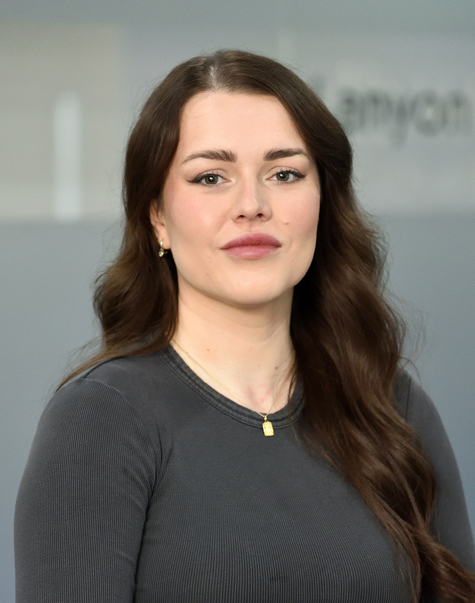
Hollie Slawson
Hollie has experience in the administration of professional deputyships, professional attorneyships and personal injury trusts.

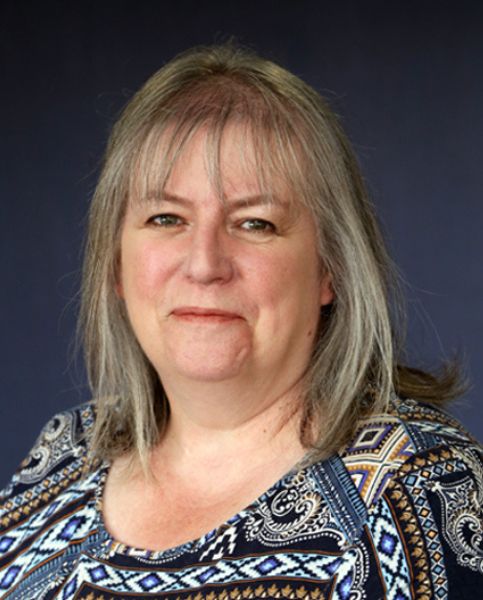
Florence Proctor
Florence studied at the Aberystwyth University where she gained her LLB Law Degree.
Podcast transcription
[00:00:00 – 00:00:13] Introducer: This is The Legal Lounge from Lanium Baller Solicitors, where you’ll hear about many aspects of law in England and Wales with special guests, industry experts and local charities. Here’s your host, Amanda Jones.
[00:00:13 – 00:00:49] Amanda: Hello and welcome to the Legal Lounge where we now release new episodes every Monday.
[00:00:49 – 00:00:58] Hollie: My name’s Holly. I’m a legal support assistant in the Court of Protection Department at Lanyon Bowler and I’m here with my colleague Florence and
[00:00:57 – 00:00:58] Amanda: Hello.
[00:00:57 – 00:01:21] Hollie: today we’re here to talk about how you can support your colleagues to help you support your clients better and how we do that in the Court of Protection. Me and Florence, among a couple of other people in our team, so we work in a Court of Protection Department with people who lack capacity to manage their property and financial. lunch le fairs and it means that our role is very client focused we
[00:01:20 – 00:01:21] Amanda: Mm
[00:01:20 – 00:01:23] Hollie: have a-hmm. lot of client contact
[00:01:22 – 00:01:44] Amanda: Yeah. So I think just touching on sort of the lacking capacity elements people might often misunderstand that sort of means that we manage people’s day-to-day finances and that could range from assisting people to pay and order a food shop to sort of paying bills, paying rent and kind of helping from that end.
[00:01:43 – 00:03:05] Hollie: I joined the corporate action team in November 2025 and I am a junior case to be trained up and mentored by Holly and we are we say sort of together but mainly led by her have developed some little ways of working and to support each other and support our wider team which really helps us support our clients which is obviously really important because we often deal with. With quite traumatic cases, individuals that have experienced a lot of trauma or maybe experiencing trauma, what did you think was key when trying to meet a sort of deal with these really difficult scenarios? Because obviously there’s got to be an instance where you have to think about the client, but then coming out of those calls or coming out of those meetings, how do you think you would teach somebody new in the role to cope with that? I think it’s really about creating that environment of sort of having those really close relationships with your colleagues because we have such close relationships with our clients. We have sometimes daily contact with them about, you know, the troubles that they are having that normally, you know, are very usual but sometimes is exacerbated by their brain injury and it makes dealing with what might seem like an everyday task potentially that bit more difficult. But, you know, we do have difficult conversations with clients and having those can be really challenging.
[00:03:04 – 00:03:06] Florence: Mm-hmm.
[00:03:05 – 00:03:11] Hollie: But I think the way that I have always taught people how to deal with that is to lead by example,
[00:03:10 – 00:03:11] Florence: Yeah.
[00:03:10 – 00:03:13] Hollie: to show you how I
[00:03:12 – 00:03:13] Florence: Yeah,
[00:03:12 – 00:03:13] Hollie: deal with it.
[00:03:12 – 00:03:14] Florence: definitely.
[00:03:13 – 00:03:18] Hollie: And I think it’s about trying to take the emotion as
[00:03:17 – 00:03:18] Florence: Yeah.
[00:03:17 – 00:03:32] Hollie: much as you can out of it and being sympathetic and empathetic towards people and, you know, helping them. even if the answer you’re giving for example isn’t the answer they want it’s about making that work for them nonetheless
[00:03:31 – 00:03:38] Speaker 4: yeah yeah it’s about delivering it in a way that actually whatever they’re hearing is in their best interests because
[00:03:37 – 00:03:39] Hollie: yes that’s
[00:03:38 – 00:03:39] Speaker 4: that is centred
[00:03:38 – 00:03:39] Hollie: it
[00:03:38 – 00:03:42] Speaker 4: around what we do you know the most quite
[00:03:41 – 00:03:42] Hollie: 100%
[00:03:41 – 00:04:06] Speaker 4: the best interest decisions so yeah i would completely agree i mean i just think the way you are with our clients is next to none it’s fantastic and i think think with the majority of them you’ve built a relationship and I think that’s what it’s about actually I do think you said that to me when I came in it’s about building that relationship with them they understand you and you understand them and there is still the professional element there but they feel like you’re you and me and they feel like that you’re looking after them
[00:04:05 – 00:04:21] Hollie: And, you know, we do care about our clients so much. And I think it’s quite easy, especially when, for example, you join the team to maybe see the relationship. relationship that I’d already built with clients and not understand that where you’re building that relationship from is from the start
[00:04:20 – 00:04:21] Speaker 4: Yeah.
[00:04:20 – 00:04:25] Hollie: it is from that very first point whereas I’m already you know been
[00:04:24 – 00:04:25] Speaker 4: You
[00:04:24 – 00:04:25] Hollie: I’d
[00:04:24 – 00:04:26] Speaker 4: were there. Yeah.
[00:04:25 – 00:04:41] Hollie: already been there for six months a year and you know been involved in their case and speaking to them daily so it just takes time for that trust to be built and you you know you have got there now like if you look back to when you first started you know I bet you probably thought oh I’ll never be able to able to handle these difficult
[00:04:40 – 00:04:42] Speaker 4: Yeah.
[00:04:41 – 00:04:42] Hollie: conversations well
[00:04:41 – 00:04:43] Speaker 4: Yeah. Weirdly,
[00:04:42 – 00:04:44] Hollie: actually they do
[00:04:43 – 00:05:03] Speaker 4: I felt a bit jealous. I used to think I’m never going to be able to do this. You’ve built such a good relationship with them. And I did find that to begin with. I felt that people don’t want to speak to me. They want to speak to Holly. But actually people wanted to speak to you because you built that relationship with them. Whereas now people want to speak to me as well. You know, people are more than happy to. And that’s really nice.
[00:05:02 – 00:05:06] Hollie: Yeah 100% it’s a team effort But
[00:05:05 – 00:05:06] Speaker 4: Yeah.
[00:05:05 – 00:05:12] Hollie: but we still do have those really, you know, just because no matter how long you’ve been doing any role,
[00:05:11 – 00:05:12] Speaker 4: Yeah.
[00:05:11 – 00:05:31] Hollie: you still find challenges, there’s still conversations that I find really difficult. You know, you still get told things which are really upsetting and personal and, you know, traumatic for our clients. And that can be quite hard to deal with emotionally. And I know that I will often still debrief to you guys about a conversation I’ve just had. just had and
[00:05:30 – 00:05:31] Speaker 4: Yeah.
[00:05:30 – 00:05:44] Hollie: say oh this is happening I feel really bad you know for our clients and I don’t know how I can help and sometimes you can feel a little bit powerless to help within our role and I think sharing that burden is like
[00:05:43 – 00:05:44] Speaker 4: Massive
[00:05:43 – 00:05:45] Hollie: really key.
[00:05:44 – 00:06:23] Speaker 4: a burden. Yeah, a massive burden. I think just sort of linking back to how supporting each other then helps us support our clients and touching on what you said, I think almost for us, it’s like a subconscious thing we do. No, because we are so tight-knit and so supportive of each other. Any of us are sort of dealing with a difficult scenario with a client in a meeting or even just very stressed about the workload. I don’t feel issue verbalizing it. I don’t think you do. I don’t think other members of our team do. We all listen. We all support each other. Actually, you know, it’s a pleasure to work on our team because there’s no instance where we’re all stressed. We might all be the same level of workload.
[00:06:23 – 00:06:34] Hollie: But even then I’ll have you saying what can I take off you, you know, I’ll be saying to other members of our team Let me take that off you because we want to try and help each other wherever we can because ultimately
[00:06:34 – 00:06:36] Speaker 4: That helps the client.
[00:06:35 – 00:07:07] Hollie: yeah and it’s you know we’re one team I think that’s the thing you know we work as a team we work on every issue as a team we communicate about the issues as a team because we firstly we all need to be aware of what’s going on for a specific client we need to know what what is going on in their day-to-day lives and also it just helps us problem solve better it helps us get into resolutions better which is the better outcome for our clients ultimately as well you have to remember that your own mental well-being and your own mental health in many ways
[00:07:06 – 00:07:08] Speaker 4: Mm-hmm.
[00:07:07 – 00:07:12] Hollie: it has to be managed and you have to find outlets for that and
[00:07:11 – 00:07:12] Speaker 4: Yeah.
[00:07:11 – 00:07:26] Hollie: I do think we have such a supportive environment where we can talk about these issues and say you know this client has brought up this issue and that’s quite triggering for me and that’s fine brilliant let’s talk about it Yeah. you know do you need to go for a walk you know
[00:07:25 – 00:07:26] Speaker 4: Yeah.
[00:07:25 – 00:07:27] Hollie: Is there something you’re going to prioritise?
[00:07:26 – 00:07:28] Speaker 4: Can I make you a cup of tea?
[00:07:27 – 00:07:53] Hollie: Yeah, it’s just things like that really. And, you know, I know that like personally, I’ve started doing certain things to, you know, help me switch off from work and to de-stress and to deal with these traumatic things, you know, we’ve been provided with trauma training due to some of whether it be catastrophic injuries at someone’s face or financial abuse. They’re really, really up. really upsetting topics and
[00:07:52 – 00:07:53] Speaker 4: Yeah.
[00:07:52 – 00:07:56] Hollie: it’s good to work in a team
[00:07:55 – 00:07:56] Speaker 4: Yeah.
[00:07:55 – 00:07:56] Hollie: and within a firm
[00:07:55 – 00:07:57] Speaker 4: Yeah.
[00:07:56 – 00:08:00] Hollie: that really values our mental health because ultimately if
[00:07:59 – 00:08:00] Speaker 4: Yeah.
[00:07:59 – 00:08:05] Hollie: we’re not feeling our best and we’re not going to do our best and we’re not doing our best we’re not doing the best
[00:08:04 – 00:08:05] Speaker 4: It’s
[00:08:04 – 00:08:05] Hollie: for our client
[00:08:04 – 00:08:33] Speaker 4: like a knock-on effect, isn’t it? And actually it’s really weird that you have just mentioned the vicarious trauma training because I think I was speaking about one of the strategies they gave us yesterday and it was sort of the circle of things I can control. and the largest circular things that affect me but I can’t control and sometimes I do actually have to refer this back and be like look as much as this upsets me this is out of my control but you mentioned that you’ve put things in place from outside of work to help you de-stress decompress what sort of things are you doing yeah
[00:08:32 – 00:08:40] Hollie: So I recently took up yoga, which I never thought I would enjoy. I always sort of took the view
[00:08:39 – 00:08:40] Speaker 4: age
[00:08:39 – 00:08:40] Hollie: that maybe it.
[00:08:39 – 00:08:40] Speaker 4: 23
[00:08:40 – 00:08:41] Hollie: Yeah.
[00:08:40 – 00:08:41] Speaker 4: Yeah.
[00:08:40 – 00:08:50] Hollie: never too late to try and so I took up yoga and I’ve been really enjoying it there’s a lot of values I think are really helpful in
[00:08:49 – 00:08:50] Speaker 4: Yeah.
[00:08:49 – 00:09:02] Hollie: sort of that sort of idea of if you can’t control it you can’t let it affect you as much and you have to have acceptance and gratitude for yourself because we do try our best for
[00:09:01 – 00:09:02] Speaker 4: our Mm,
[00:09:01 – 00:09:03] Hollie: clients you know
[00:09:02 – 00:09:03] Speaker 4: massively.
[00:09:02 – 00:09:09] Hollie: so and you know we do put in so much effort and you know sometimes it might not feel good enough almost
[00:09:08 – 00:09:09] Speaker 4: Yeah.
[00:09:08 – 00:09:11] Hollie: you might be like oh I wish I could do more
[00:09:10 – 00:09:11] Speaker 4: Yeah.
[00:09:10 – 00:09:25] Hollie: but ultimately we have done our best and understanding that and knowing that we’re all working towards that common goal I think it’s really important to have things that you do to help you switch off and to cope meditation box breathing is something that
[00:09:24 – 00:09:25] Speaker 4: I
[00:09:24 – 00:09:26] Hollie: I yeah
[00:09:25 – 00:09:27] Speaker 4: love a bit of box breathing in our team.
[00:09:26 – 00:09:31] Hollie: it’s something I’ve brought into the office and I start doing demonstrations
[00:09:30 – 00:09:41] Speaker 4: Yeah. Yeah. But it’s very good. It is very good. Originally, I did think, what’s she talking about? This is ridiculous. But it’s very good. Tell everybody at lunch. It’s really relaxing.
[00:09:40 – 00:09:46] Hollie: And that’s the thing. And also noticing when your colleagues have maybe, you know, had a bit of a stressful day,
[00:09:45 – 00:09:46] Speaker 4: Yeah.
[00:09:45 – 00:09:57] Hollie: had some really difficult conversations that they’ve had to have with clients and recognising the signs of that so that you can be like, should we take a minute? Should we do some breathing?
[00:09:56 – 00:09:57] Speaker 4: Yeah,
[00:09:56 – 00:09:57] Hollie: Things
[00:09:56 – 00:09:57] Speaker 4: yeah.
[00:09:56 – 00:10:06] Hollie: like that. that because ultimately it doesn’t do yourself it doesn’t do the team and it doesn’t do our clients any favours for us to not look after ourselves
[00:10:05 – 00:10:35] Speaker 4: yeah yeah i mean i’m an avid gym goer because that i find that helps me decompress you know lowers the cortisol levels and any stress i mean i you’ve actually started the gym recently as well so yeah that that’s my thing to de-stress but yeah i also want to let everybody know that holly did bring a jigsaw in here’s a proof of holly’s jigsaw jigsaw because again that’s something that you do for mindfulness you know totally absorb you know I completely get that people do sort of coloring books and things like that yeah
[00:10:34 – 00:10:51] Hollie: sometimes I think it can be like the very basic things like you said coloring books jigsaws for me jigsaws sometimes when you’re watching tv it doesn’t fully absorb you in the way that makes you forget everything else whereas I find with jigsaws like I’m just so sort of obsessed with getting the next piece that like like I don’t
[00:10:50 – 00:10:51] Speaker 4: You
[00:10:50 – 00:10:52] Hollie: have a
[00:10:51 – 00:10:52] Speaker 4: can’t
[00:10:51 – 00:10:52] Hollie: happy
[00:10:51 – 00:10:53] Speaker 4: think about anything else. Yeah.
[00:10:52 – 00:10:57] Hollie: so you end up in this like it’s probably not as calming as like yoga um
[00:10:56 – 00:10:58] Speaker 4: Yeah.
[00:10:57 – 00:10:58] Hollie: but
[00:10:57 – 00:10:58] Speaker 4: It
[00:10:57 – 00:10:59] Hollie: it’s
[00:10:58 – 00:11:01] Speaker 4: would distress me. I’d be like, I need to get this done.
[00:11:00 – 00:11:06] Hollie: yeah but it makes my brain switch off from anything that’s work related anything
[00:11:05 – 00:11:07] Speaker 4: Yeah.
[00:11:06 – 00:11:07] Hollie: that may cause
[00:11:06 – 00:11:08] Speaker 4: You’re
[00:11:07 – 00:11:08] Hollie: stress
[00:11:07 – 00:11:09] Speaker 4: totally absorbed in it, aren’t you?
[00:11:08 – 00:11:10] Hollie: yeah
[00:11:09 – 00:11:10] Speaker 4: Which
[00:11:09 – 00:11:10] Hollie: that’s
[00:11:09 – 00:11:10] Speaker 4: is, which
[00:11:09 – 00:11:10] Hollie: the thing
[00:11:09 – 00:11:49] Speaker 4: is key. I just think talking about de-stressing and even vicarious trauma, talking about. remove hard and whatnot. I do feel very lucky to work in a state and where we recognise mental health and the impact that it can have. As you mentioned earlier, one of our key values is supportive. You must be supportive and be, I feel like I must be supportive of the rest of the team. We all try to be, I think that carries throughout the firm, but also we have mental health first aiders who are given first point of call if anybody’s having anything. And go on their own hours, it’s really difficult to deal with or if you have a bit of a wobble, I have a bit of a wobble quite often, but that’s fine, you know, that’s
[00:11:48 – 00:11:50] Hollie: yeah
[00:11:49 – 00:11:50] Speaker 4: absolutely fine.
[00:11:49 – 00:12:09] Hollie: and the thing is it’s not always work related stress or things that happen at work it can be things in your private life you know buying a home and you know that’s something that I know has caused you you know a little bit of stress recently you know having all those sort of like oh when is it going to complete and then moving in and renovations you know it you know it you know it’d be so many things in your life
[00:12:08 – 00:12:09] Speaker 4: Yeah.
[00:12:08 – 00:12:51] Hollie: that you could find stressful you know for me at the moment I’m doing my master’s part-time and you know that is a cause of stress for me and I think being able to talk to your colleagues about those other stresses is really good so you as well you can understand where someone’s at like are they in the right headspace for a different conversation today with a client or do they need to break from that you know some days I say could you have my phone today because I’m not in the head in the headspace to take those calls whereas you know other days you’re more than likely say that to me and I’m more than happy you know to take that load and share that burden and you know draw boundaries and I think it’s really good to work in a team where drawing those boundaries and advocate you advocate for yourself encourage to advocate for yourself while
[00:12:50 – 00:12:52] Speaker 4: yeah yeah
[00:12:51 – 00:12:56] Hollie: also advocating for others and saying you’re looking really stressed what can I do to take that off your plate
[00:12:55 – 00:13:39] Speaker 4: honestly having this conversation it makes me realise like is like how blessed I am to work in a team that I do genuinely you know we all look after each other and like I said before sort of it’s such a well-oiled machine in my opinion our team that the processes we’ve got in place the subconscious processes that we’ve implemented like checking in with each other to ensure that the rest of the work that we do looking after our clients runs smoothly. It just sort of happens if somebody asked me oh what makes your team really really good I’d say I don’t know because I can’t pinpoint it it just is but I think when you break it down like you said that the check-ins the prioritizing each other’s workloads and having the communication and conversations that we do mainly if I had to pinpoint it I would say that’s what makes our team work.
[00:13:39 – 00:13:46] Hollie: 100% and I think it’s really really vital to have we’ve got to look after each other support each other so
[00:13:45 – 00:13:46] Speaker 4: Yeah.
[00:13:45 – 00:13:48] Hollie: that we can support our clients in the best way possible
[00:13:47 – 00:13:48] Speaker 4: Yeah.
[00:13:49 – 00:14:05] Amanda: Thanks to Holly and Florence. If you have a legal issue you’d like me to put to our team to cover in an upcoming episode, please let me know by visiting lblaw.co.uk forward slash knowledge where you can search for all our podcasts. That’s lblaw.co.uk forward slash knowledge.
[00:14:04 – 00:14:09] Introducer: That was the Legal Lounge from Lanyan Bowdler Solicitors.
Contact Lanyon Bowdler
We are accessible to those living in North Wales, Shropshire and Herefordshire, and are able to offer meetings via video, meaning we can support and advise you wherever you’re living in England or Wales.
The Associated team.












Our awards and accolades.










Get in touch.

"*" indicates required fields