
 Back
Back


About this episode
Insights into the Private Client Department at Lanyon Bowdler
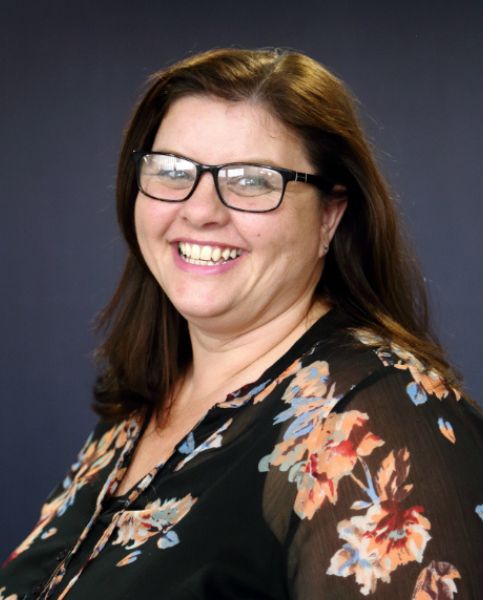
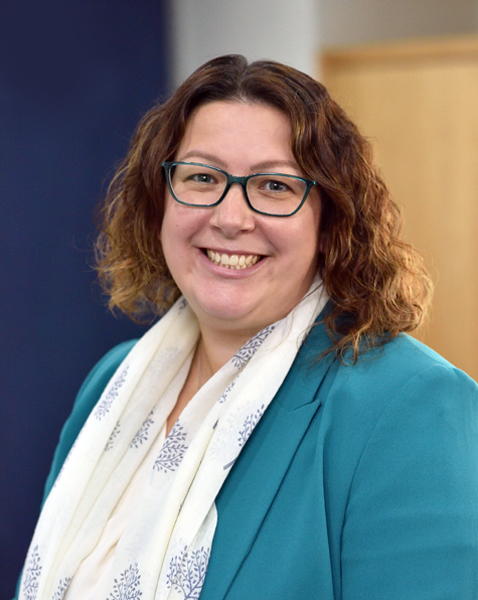
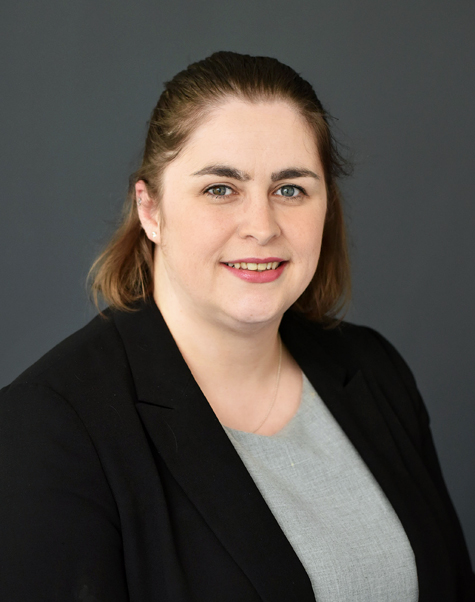
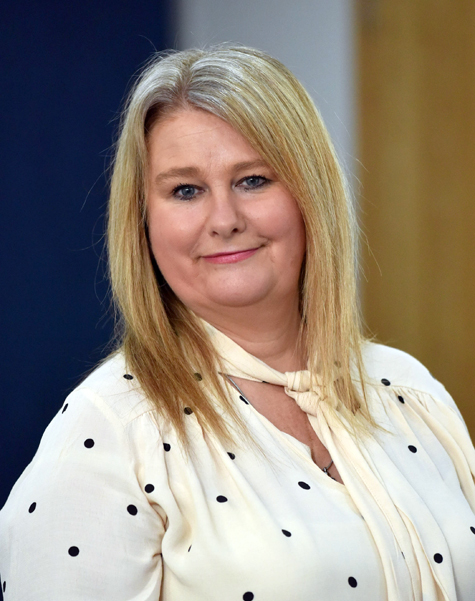
In this episode of the Legal Lounge, Amanda Jones hosts a discussion with Emma Deering and Sioned Parry from the Private Client Team at Lanyon Bowdler. They explore the diverse and rewarding aspects of private client work, including will preparation, inheritance tax advice, and succession planning for family businesses. Emma and Sioned share their experiences, highlighting the importance of emotional intelligence and client interaction in navigating sensitive legal matters.
The conversation delves into common misconceptions about wills and lasting powers of attorney, as well as the challenges clients face when planning for the future. Tune in to gain valuable insights into how the Private Client Team supports clients during crucial moments in their lives, ensuring they feel understood and guided throughout the legal process.


In this episode
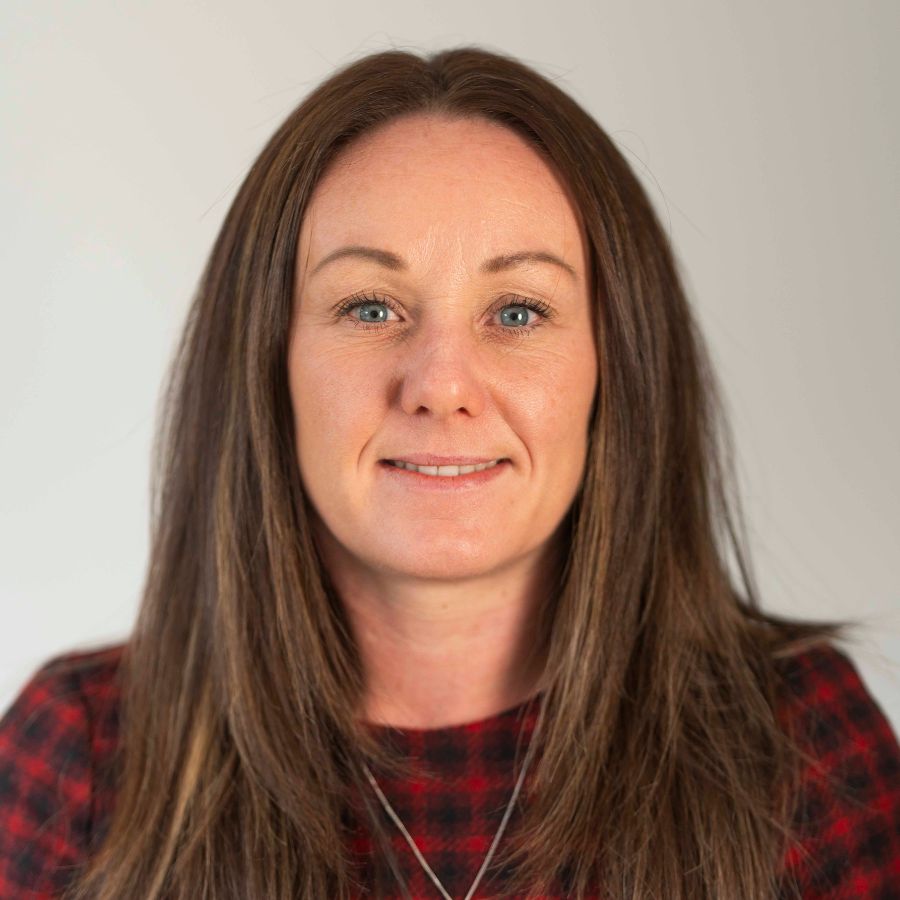
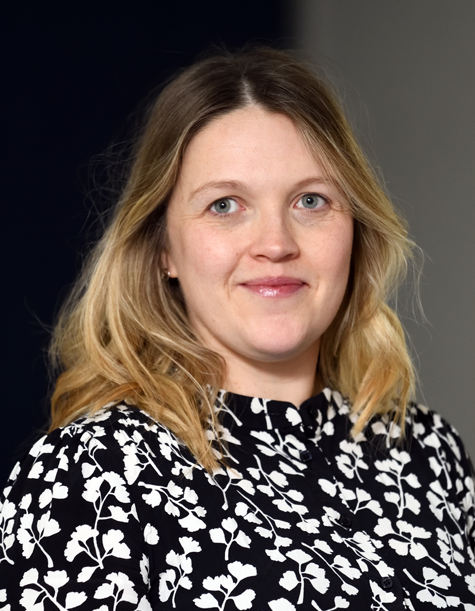
Emma Deering
Emma is a Recommended Lawyer in the 2026 edition of Legal 500 in the category for agriculture & estates in Wales. The directory states: ‘Emma Deering, who was recently promoted partner, has a focus on succession planning, wills and estate administration and is a key member of the team.’

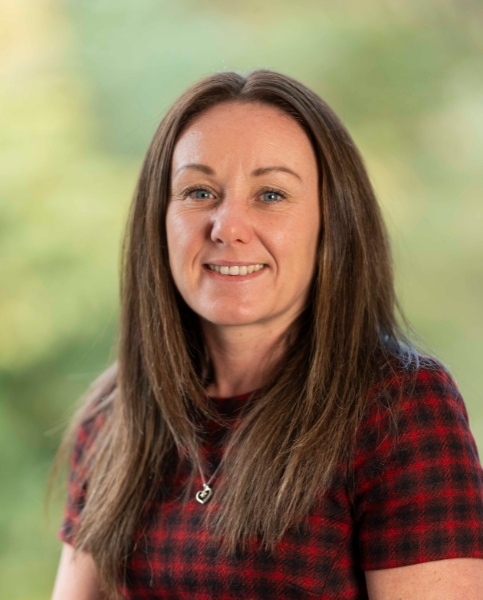
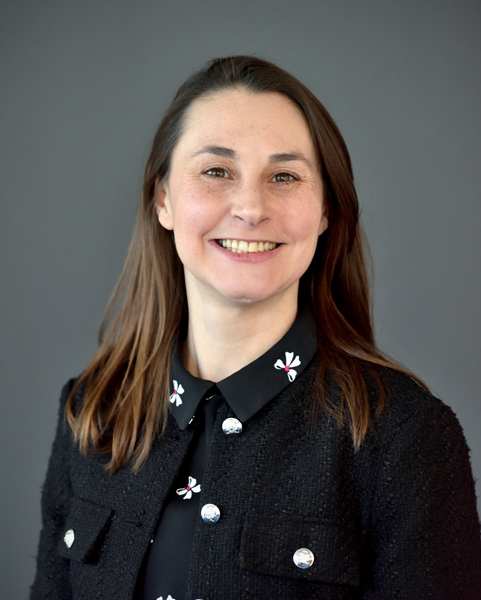
Sioned Parry
Sioned advises clients on wills, estate planning, inheritance tax, estate administration, Lasting Powers of Attorney, and care home fee planning. She has a particular specialism in Inheritance Tax planning for farmers and rural business owners, working closely with the agricultural sector to provide tailored, practical advice on succession and long term estate structuring.












Podcast transcription
[00:00:00 – 00:00:13] Introducer: This is the Legal Lounge from Lanyon Bowdler Solicitors, where you’ll hear about many aspects of law in England and Wales, with special guests, industry experts and local charities. Here’s your host, Amanda Jones.
[00:00:13 – 00:00:56] Amanda: Hello and welcome to The Legal Lounge, where we now release new episodes every Monday.
[00:00:56 – 00:01:53] Emma: My name’s Emma Deering. I’m a partner in the private client team based in the Conwy office and I’m joined by my colleague, Sioned Parry, who is a associate solicitor in the private client team in Conwy with me. For those that don’t know, the private client department is made up of lots of advisors that advise on things like preparing wills, inheritance tax advice. preparing lasting powers of attorney, the administration of estates both where people have left wills and have not, and succession advice, so helping family businesses normally guide them through the process of succession, who’s going to take over that business when they’re stepping back. Sioned and I have come up with some questions that we’re going to ask one another to give you a flavour of what it’s like to work in the private client department. So, Sioned, first of all, what attracted you to private client work?
[00:01:52 – 00:02:29] Sioned: The main thing that attracted me was the mix of the technical law and the human connection. So as you know, when we train to become solicitors, we gain experience in different areas of law. Private client was actually my third department that I worked in. I knew what the private client department was in that you draft wills and powers of attorney, but I didn’t really. They fully appreciate how personable the work that we do would be every day and, you know, dealing with families and making really important decisions about their future and often their businesses. And so I think what attracted me most was definitely the human aspect and the fact that not every day is the same.
[00:02:28 – 00:02:47] Emma: Yeah, and the client interaction, that’s what I enjoy most about it as well. And I think a lot of people that come to our department often say that they like the ability to interact. interact with the clients on a really frequent basis really and you get to know a lot of information that you possibly wouldn’t in other departments.
[00:02:46 – 00:02:56] Sioned: Yeah, I agree. It’s definitely a very interesting area of law that a lot of people, like you say, don’t really know about. How would you describe your role to someone outside the legal world?
[00:02:55 – 00:04:48] Emma: I think a lot of the time I say problem solver. Our role a lot of the time is to help clients put their affairs in order. Whether that’s by helping them set up a will and sort of work through who are the people that they want to benefit, what are the assets in their estate that they can leave to people and how to leave them to them, what’s the best sort of structure for them. Guiding families or people to make lasting powers of attorney and we’ll explain a bit more later about what those are I think and a big part of our role is just explaining things in a way that the that the clients can understand it because often when they come to us not necessarily for wills and powers of attorney or succession advice but particularly when they’re coming to us for say probate matters usually they’re grieving somebody’s passed away it’s a really emotional and stressful time for them and even sometimes when people are preparing wills perhaps they’re coming because something’s happened to somebody that they know or you know they’ve been given a diagnosis So it’s our role really to explain things in a clear and concise manner so that they understand what the options are that are available to them and sort of guide them to make those decisions themselves really. Often it is difficult isn’t it and we do have a lot of legal terminology that’s not easy to follow. You know we’ve got executors that are the people responsible for administering your estate when you pass away but then we have attorneys who are responsible for dealing. living with your affairs whilst you’re alive but perhaps do or do not have capacity so the terminology is different and then of course when you get into the world of trusts and inheritance tax that can all be quite overwhelming sometimes so it’s just about breaking things down making it easy for everybody to follow and problem solving what’s one part of your job people would be surprised do you think to know that you deal with through your job
[00:04:47 – 00:05:43] Sioned: I think that type of work that we do requires quite a lot of emotional intelligence, which is not something you hear of quite often. I think a lot of people forget about that. And like you said earlier, our job is a lot about problem solving, you know, getting the legal answers for the clients and telling them how to get from A to B. But a huge part of it is just sometimes listening to those clients and their concerns. You know, like you say, especially when dealing with really difficult situations like family conflict, bereavement, you often have to adapt your approach to that particular. a particular client that you’re seeing that day. And it can be quite difficult sometimes because obviously we work in a role where we are thinking about the legal side of things all the time. But I think it’s just really important to be personable and to help with the problem solving at a later stage maybe when the clients actually just want to be heard first and when things feel more manageable for them.
[00:05:42 – 00:05:48] Emma: Yeah, I think like you say, sometimes situations or family dynamics are quite difficult aren’t
[00:05:47 – 00:05:49] Emma: they
[00:05:48 – 00:05:49] Sioned: definitely.
[00:05:48 – 00:05:59] Emma: it’s a sort of recognising that understanding that in the room and sort of you’re almost a bit like a comedian and being able to change yourself to fit the situation that’s before you really isn’t it
[00:05:58 – 00:06:06] Sioned: Yeah, yeah, I definitely agree. So with that in mind then, what part of private client work do you find the most rewarding?
[00:06:05 – 00:07:00] Emma: I really do love my job and I do enjoy all the different aspects of it but I suppose the most rewarding side is often Often the succession planning, because I think a lot of people come to you with no real idea as to where to start, what does that mean? And it’s not just one thing, you know, succession planning involves a lot of different elements. It’s preparing wills, powers of attorney, and it’s thinking about what does the future of the business look like? You know, is there a natural successor for the business? If there is, how does that impact the wider family? You know, you may have one of the children working. working in the business and others not but you’re really helping them to shape the future of something that’s been built over decades and sometimes centuries and you’re you’re sort of helping them to protect their legacy which is often what they what they care about the most isn’t it you know who’s going to look after this business when I’m not here and then are they going to manage it in a way that I would be happy with.
[00:06:59 – 00:07:11] Sioned: It’s definitely a rewarding part when you can see that the weight’s been lifted off someone’s shoulder when they do come in with. with no idea as to how their succession looks and then obviously we can try and point them in the right direction can’t
[00:07:10 – 00:07:33] Emma: Yeah and that and it is nice because a lot of clients do say don’t they I feel like I’ve got such peace of mind now that I’ve done it and actually it wasn’t as difficult as I thought because I think that sometimes clients can build things up in their head or they can feel like their circumstances are so much more complicated or we won’t know how to figure it out or we won’t. We won’t be able to come up with a solution, but often we can.
[00:07:32 – 00:07:33] Sioned: Yeah.
[00:07:32 – 00:07:44] Emma: We can come up with different ideas and structures and solutions that would fit them all. What one myth about wills Sioned that you wish people would stop believing
[00:07:43 – 00:09:04] Sioned: So this is an interesting question. So a really common misconception that we find clients coming in with is that if they don’t have a will, everything just goes to their partner or to their husband. So they don’t think that. I think that having a will is actually that important. This may be something that some clients who have come in to speak with us about lasting powers of attorney come up with, or maybe a probate and they just have this misconception that they don’t actually need a will, but that is not true. If you’re not married or in a civil partnership, then this misconception can really cause problems because that is not the case and there is no automatic right to inherit. A person’s estate if you are not married or in a civil partnership and then if you don’t have a will even if you are married or in a civil partnership there are further complexities if there are children and if your estate is large because then we have a look at the intestacy rules which dictates how the estate is divided you know it’s really important that we do kind of discuss those misconceptions with clients because things that they believe are sometimes making them not come in to see us to discuss. discuss away law you know to see a solicitor and to look at a will but it’s really important that they know what the intestacy rules look like so that they okay if they’re happy with that then that’s absolutely fine but if they’re not then of course they really need to have a look at a will yeah
[00:09:03 – 00:09:15] Emma: You’re right. People do think that, don’t they? And it is difficult, especially when things happen unexpectedly as well and then you’re left with a position where, you know, you’re not going to benefit, are you?
[00:09:14 – 00:09:45] Sioned: Definitely. And another thing is, you know, with clients that do come in to look at other matters with us, they might not be thinking about making a will because they think that’s just for older clients, you know, older people that they really have to wait to make a will until they’re much older, but that really isn’t the case. And there’s never a right time, of course. And sometimes, you know, like we were saying earlier, it’s difficult for clients to come in to have a chat with us about. It’s about these things because they’re not topics that you talk about around the dinner table or, you know, most of the time they’re not.
[00:09:45 – 00:09:57] Sioned: So yeah, another thing is that they should never wait to make wills, you know, that’s never a right time. So along those same lines, Emma, what do you think are the most common things that clients forget to plan for?
[00:09:57 – 00:11:00] Emma: not necessarily that they forget to plan. I think that they don’t see sometimes the value in it until we’ve explained it to them and that would be. be lasting powers of attorney and I think again it’s a sort of age thing younger clients that come to see us don’t feel that they need to make one because actually you know there’s no signs of them losing capacity or anything like that but you know a lasting power of attorney is a document that you create in your lifetime whilst you have full mental capacity to make a decision about who you want to appoint as your attorney So person to manage your affairs at a time in the future when perhaps you don’t have capacity and you can create one for property and financial affairs and then health and welfare. And I think, again, spouses assume that when they’re married, then they would be able to look after one another’s affairs automatically and that’s not the case. So I always tell clients, look, they are worth their weight in gold. Some might say that they’re even more important than a will because at least they’re looking after. And after you’re whilst you’re here, but treat them like an insurance policy, prepare them.
[00:10:59 – 00:11:00] Sioned: Yeah,
[00:10:59 – 00:11:00] Sioned: definitely.
[00:10:59 – 00:11:03] Emma: put them in a safe and you don’t have to think about them again.
[00:11:02 – 00:11:10] Sioned: Sometimes the cost is what people are put off by because, you know, it is quite a big cost for something that you may not need,
[00:11:09 – 00:11:10] Emma: Yep.
[00:11:09 – 00:11:21] Sioned: but it’s the same as an insurance policy, like you say, you may never need that and we hope you don’t, but if you do, they’re there to be used and are active and, you know, can help in so many different situations.
[00:11:21 – 00:11:43] Emma: Yeah. Yeah, and obviously in the world of private client, we come across a huge variety of different people, which is what makes the job very interesting, isn’t it? Well, it does for me anyway. I love meeting different people and getting to understand their family circumstances and their businesses and things. But in terms of that, how do you approach clients who are perhaps nervous or overwhelmed?
[00:11:43 – 00:12:47] Sioned: Yeah, I agree with you. It’s a really good way of meeting clients and knowing. a lot about their family situation and their background but it can be overwhelming for a lot of clients so my personal approach is to just slow everything down and break the process down into small steps and I try to explain things without using too much legal jargon because I know that that can be really overwhelming especially when clients read correspondence from us that uses big legal words that sometimes people have never heard of. and so that’s what most clients don’t want to hear at that stage a lot of clients will apologize to us for not understanding the legal process but that’s our job it’s for them to come in and to let us know about their concerns and then for us to actually be the problem solver and to let them know what the law is and what they should do as a consequence of that I would say that if you are a client listening to this and you’re not sure where to start start by giving us a call or making that initial appointment with us so that we can talk things through with you so that we can help you understand matters and the important thing is that you don’t need to know everything because that’s our job.
[00:12:46 – 00:12:53] Emma: Are there any memorable moments where you felt that you’ve really made a difference for clients?
[00:12:52 – 00:14:00] Sioned: So we work a lot with Farming Connect where on their legal panel and Farming Connect are a Welsh government funded scheme that helps. farmers plan for their succession. So we do a lot of work with farmers where they don’t have a succession plan or they may have one but have done nothing to implement that and we have done quite a lot of work with farmers who have a large inheritance tax liability but because of the advice that we’ve given them so for example to transfer land or to co-own land or even just to make wills have saved them quite a lot of inheritance tax. tax and that is a huge weight lifted off their shoulders and so It’s not one moment, it’s just kind of the general feeling that you have when you come to the end of that process with them and they have a succession plan in place. You know, they may have had to make wills, lasting powers of attorney, a partnership agreement maybe if they’re farmers farming in partnership or if they’re a company, a shareholders agreement. But yes, there may be a lot of work to do, but they have gone from not having one to actually having everything sorted and that’s just… Just completely invaluable.
[00:13:59 – 00:14:37] Emma: Yeah, and I think we’ve been doing so much of that since the government changed the legislation on inheritance tax, particularly with the agricultural property relief and business property relief, haven’t we? So it’s in the forefront of our mind. But I suppose there’s just such a huge variety in the private client team, isn’t there? And the offering of the work that we do. And I think if you didn’t work in the private client team, you wouldn’t understand what every day is like, but it is a really fun department. I think people would think it’s possible. Possibly not, because obviously you are dealing with estates when people die and then people will think that that’s all you deal with death and taxes, but it’s actually not. You’re helping people at really crucial points in their life, aren’t you.
[00:14:36 – 00:14:37] Sioned: Yes,
[00:14:36 – 00:14:38] Sioned: absolutely.
[00:14:37 – 00:14:44] Emma: And there is never a dull day in private client, I don’t think.
[00:14:43 – 00:14:44] Sioned: I can agree with
[00:14:43 – 00:14:44] Emma: There’s
[00:14:43 – 00:14:45] Sioned: that.
[00:14:44 – 00:15:00] Emma: always something to do, isn’t there? The home visits that we do, there’s going out to hospitals. There’s going to people’s properties once they’ve passed away to go through all their belongings sometimes we have to do that. What would you say, Sioned, is the best part of working in the private client team at Lanyon Bowdler?
[00:15:02 – 00:16:02] Sioned: So I love the work culture at Lanyon Bowdler. It’s a really supportive team and that makes a huge difference when you’re dealing with the type of sensitive work that you’ve just explained. It’s not all doom and gloom. It’s what drivers, it’s the interest that we have in the work that we do and the clients that we deal with. And we may do a lot of the same work every day, but we often come across matters that we’ve never dealt with before. I think what is good is that we get to… work as a team and we pull advice from fee earners with different levels of experience and that’s invaluable. Everyone’s all ready to help and I just think that’s the best part about working in the private client department here at Lanyon Bowdler if I’m completely honest and that’s not just the private client department it’s the wider firm because we do get clients who have questions for us which we may need to ask another fee earner in a different. A different department, you know, we work quite closely with the commercial team or the property department. It’s just such a collaborative approach which gives the clients the best outcome.
[00:16:01 – 00:16:31] Emma: And I’d agree with that because certainly when I started working here, I really enjoyed that aspect of it, of having those people in the office or just the knowledge that everybody is sort of friendly and approachable. So, for example, when I’m dealing with a will for farmers, I need this. form and partnership agreement they might not have one or they may have one but I need it reviewing so I’ll pass that on to the corporate team or you know there might be a tenancy agreement that needs reviewing and Katie might look at that for us in dispute res or you know there’s land stuff that Ed nothing needs to look at or there’s just so many different people that we have to get in and like you’re saying I think that generally speaking everybody is so friendly and approachable aren’t they I
[00:16:42 – 00:16:43] Sioned: Yeah,
[00:16:42 – 00:16:44] Emma: can’t tell
[00:16:43 – 00:16:55] Emma: you how many times I will phone Edward or or David and just say oh can I you know I’m just running this by you and I think sometimes it’s just when it is unusual then you just want that second opinion that you are on the right track and
[00:16:54 – 00:17:22] Emma: there’s nothing wrong with that and definitely. I think everybody everybody works together in a really good way and there’s a real ethos of sharing the work as well and we work in all different offices don’t we we’ve got so many offices obviously at certain times of the year the work is at different levels for all of the different offices depending depend on what’s coming in but then everybody will just shout and say I’ve got capacity or what have you won’t they so there’s there’s always somebody there to help out on things as well yes
[00:17:21 – 00:17:29] Sioned: There’s enough work going around, but I feel like we help each other manage that quite well, don’t we? I just think being that you do, Emma.
[00:17:28 – 00:18:19] Emma: I just think being there for clients I think it’s really great to work at the private client team I really enjoy the client contact I like understanding the clients different business businesses and getting to know the family dynamics and then from that you can sort of work out what’s sort of best. for you know that business or what structure works for them and obviously you’re at the end of the day a lot of the time you are helping people at a crisis point particularly when they’ve lost a loved one and it is really difficult to navigate because you’re navigating all your emotions around it and then sometimes you know you’ve got a position where you know it might be a taxable estate and there are deadlines to be met and obviously we’ve got to guide them through that process but without putting any pressure on them and telling them that you know you know if they need us to slow down or what have you we can do but telling them what the consequences are of not getting things
[00:18:18 – 00:18:19] Sioned: Yeah.
[00:18:18 – 00:18:26] Emma: done in a particular order or a particular time frame but yeah I just well I love private clients I wouldn’t work in any other department
[00:18:27 – 00:18:48] Amanda: Thank you to Emma and Sioned for sharing their expertise. Just more proof that lawyers don’t bite. If you have a legal issue you’d like me to put to our team to cover in an upcoming episode, please let me know by visiting lblaw.co.uk forward slash knowledge where you can search for all our podcasts. That’s lblaw.co.uk forward slash knowledge.
[00:18:47 – 00:18:52] Introducer: That was the Legal Lounge from Lanyon Bowdler Solicitors.